|

|
|
AGENDA
Ordinary Council
Meeting
Wednesday, 30 July 2025
|
|
Date:
|
Wednesday, 30 July 2025
|
|
Time:
|
10.30 am
|
|
Location:
|
Roxburgh Service Centre,
120 Scotland Street, Roxburgh
(A link to the
live stream will be available on the Central Otago District Council's
website.)
|
|
Peter Kelly
Chief Executive Officer
|
Members Her
Worship the Mayor T Alley (Chairperson), Cr N Gillespie, Cr S Browne, Cr L Claridge,
Cr I Cooney, Cr S Duncan, Cr S Feinerman, Cr C Laws, Cr N McKinlay,
Cr M McPherson, Cr T Paterson
In Attendence P Kelly (Chief
Executive Officer), L Fleck (Group Manager - People and Culture, Acting Group
Manager - Community Vision), J Muir (Group Manager - Three Waters), S Righarts
(Group Manager - Governance and Business Services), D Rushbrook (Regional
Deals Lead), D Scoones (Group Manager - Community Experience), Q Penniall
(Acting Group Manager - Planning, Infrastructure and Regulatory), W McEnteer (Governance
Manager)
1 Karakia
Her Worship
the Mayor will begin the meeting with a karakia.
2 Apologies
3 Public
Forum
4 Confirmation
of Minutes
Ordinary Council Meeting - 10 July
2025
|
Council
Meeting Agenda
|
30
July 2025
|
MINUTES
OF A Council Meeting
OF THE Central Otago District
Council
HELD AT Ngā Hau e
Whā, William Fraser Building, 1 Dunorling Street, Alexandra
AND LIVE STREAMED VIA MICROSOFT TEAMS ON Thursday, 10 July 2025 COMMENCING AT
10.30 am
PRESENT: Her
Worship the Mayor T Alley (Chairperson), Cr N Gillespie, Cr S Browne, Cr
L Claridge, Cr I Cooney, Cr S Duncan, Cr S Feinerman, Cr M McPherson, Cr T
Paterson
IN ATTENDANCE: P Kelly
(Chief Executive Officer), L Fleck (Group Manager - People and Culture, Acting
Group Manager - Community Vision), J Muir (Group Manager - Three Waters), S
Righarts (Group Manager - Governance and Business Services), D Rushbrook
(Regional Deals Lead), D Scoones (Group Manager - Community Experience), Q
Penniall (Acting Group Manager - Planning, Infrastructure and Regulatory), P
Penno ( Community Engagement Manager), C Webster (Communications Officer) S
Reynolds (Acting Governance Manager)
1 Karakia
Cr Gillespie gave a karakia to begin the meeting.
2 Apologies
|
Resolution
Moved: Alley
Seconded: Paterson
That apologies from Cr C Laws and Cr N McKinlay be
received and accepted.
Carried
|
3 Confirmation
of Minutes
|
Resolution
Moved: Browne
Seconded: Feinerman
That the public minutes of the Ordinary Council Meeting
held on 25 June 2025 and the Extraordinary Council Meeting held on 30 June
2025 be confirmed as a true and correct record.
Carried
|
4 Declarations
of Interest
Members were reminded of their obligations in respect of
declaring any interests. There were no further declarations of interest.
5 Resolution
to Exclude the Public
|
Resolution
Moved: Alley
Seconded: Browne
That the public be excluded from the following parts of
the proceedings of this meeting.
The general subject matter of each matter to be considered
while the public is excluded, the reason for passing this resolution in
relation to each matter, and the specific grounds under section 48 of the
Local Government Official Information and Meetings Act 1987 for the passing
of this resolution are as follows:
|
General subject of each matter to be
considered
|
Reason for passing this resolution in
relation to each matter
|
Plain English Reason
|
|
Confidential Minutes of Ordinary
Council Meeting
|
s7(2)(b)(ii) - the withholding of the information
is necessary to protect information where the making available of the
information would be likely unreasonably to prejudice the commercial
position of the person who supplied or who is the subject of the information
s7(2)(f)(ii) - the withholding of the information
is necessary to maintain the effective conduct of public affairs through
the protection of Council members, officers, employees, and persons from
improper pressure or harassment
s7(2)(g) - the withholding of the information is
necessary to maintain legal professional privilege
s7(2)(h) - the withholding of the information is
necessary to enable Council to carry out, without prejudice or
disadvantage, commercial activities
s7(2)(i) - the withholding of the information is
necessary to enable Council to carry on, without prejudice or disadvantage,
negotiations (including commercial and industrial negotiations)
s7(2)(j) - the withholding of the information is
necessary to prevent the disclosure or use of official information for
improper gain or improper advantage
|
Commercial sensitivity
To protect people from harassment
Legal professional privilege
To enable commercial activities
To enable commercial or industrial negotiations
To prevent use of the information for improper
gain or advantage
|
|
25.14.3 - Offer for a Land Access
Arrangement
|
s7(2)(b)(ii) - the withholding of the information
is necessary to protect information where the making available of the
information would be likely unreasonably to prejudice the commercial
position of the person who supplied or who is the subject of the
information
s7(2)(c)(i) - the withholding of the information
is necessary to protect information which is subject to an obligation of
confidence or which any person has been or could be compelled to provide
under the authority of any enactment, where the making available of the
information would be likely to prejudice the supply of similar information,
or information from the same source, and it is in the public interest that
such information should continue to be supplied
s7(2)(h) - the withholding of the information is
necessary to enable Council to carry out, without prejudice or
disadvantage, commercial activities
s7(2)(i) - the withholding of the information is
necessary to enable Council to carry on, without prejudice or disadvantage,
negotiations (including commercial and industrial negotiations)
s7(2)(j) - the withholding of the information is
necessary to prevent the disclosure or use of official information for
improper gain or improper advantage
|
Commercial sensitivity
Due to an obligation of confidence and to ensure
the information avenue remains open
To enable commercial activities
To enable commercial or industrial negotiations
To prevent use of the information for improper
gain or advantage
|
Carried
|
Note: The public were excluded at 10.33 am and re-admitted
at 10.59 am.
Cr Duncan acknowledged the death of former Councillor
Michael Dowling and Councillors stood for a minutes silence as a mark of
respect.
6 Public
Forum
Gerry
Eckhoff – Consultation Process
Mr Eckhoff spoke with
regards to the plans for water service delivery and noted the decision by
Waitaki District Council. He stated that whilst he understood the
requirements from central government he believed that local government
politicians seemed to have forgotten that they serve their communities not the
requirements of central government. He also observed that the
consultation process did not appear to comply with the Local Government Act
regarding providing individuals with an opportunity to give an oral submission
as part of the consultation.
Mr Eckhoff then responded
to questions.
Graeme Rae –
Consultation Feedback
Mr Rae spoke on behalf of
the ratepayers group in the Teviot Valley and detailed the strong support for
an in-house business unit with in the Teviot Valley. He highlighted
significant rate increases in the ward over the past two years and noted that
through the Districtisation discussion, despite strong opposition from the
ward, Councillors opted to move to district-wide funding.
Hemi Bedggood –
Federated Farmers
Mr Bedggood, representing
Federated Farmers, highlighted rural ratepayers' concerns about multi-council
water services, emphasising their view that local councils are best suited to deliver
and manage water infrastructure. He noted that members were anxious about
the affordability of projected infrastructure spending and the anticipated
increases in rates, and requested that rural stakeholders be considered in
future decisions.
Mr Bedggood then
responded to questions.
7 Reports
8 Date
of Next Meeting
The date of the next
scheduled meeting is 30 July 2025.
The meeting closed at 12.16 pm.
5 Declarations
of Interest
25.15.1 Declarations
of Interest Register
Doc ID: 2538956
|
Report Author:
|
Wayne McEnteer, Governance
Manager
|
|
Reviewed
and authorised by:
|
Saskia Righarts, Group Manager -
Governance and Business Services
|
1. Purpose
Members are reminded of the need to be vigilant to stand
aside from decision making when a conflict arises between their role as a
member and any private or other external interest they might have.
2. Attachments
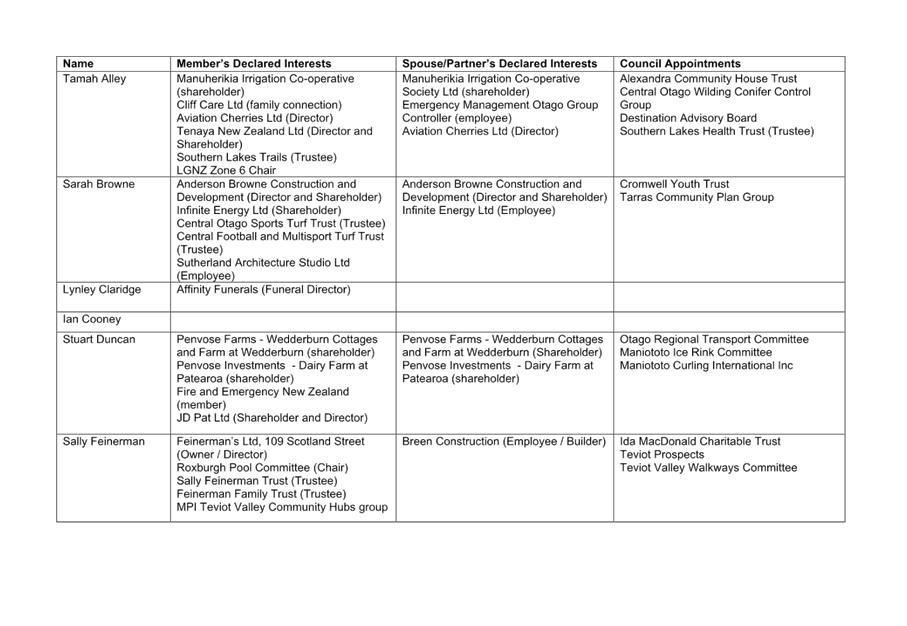
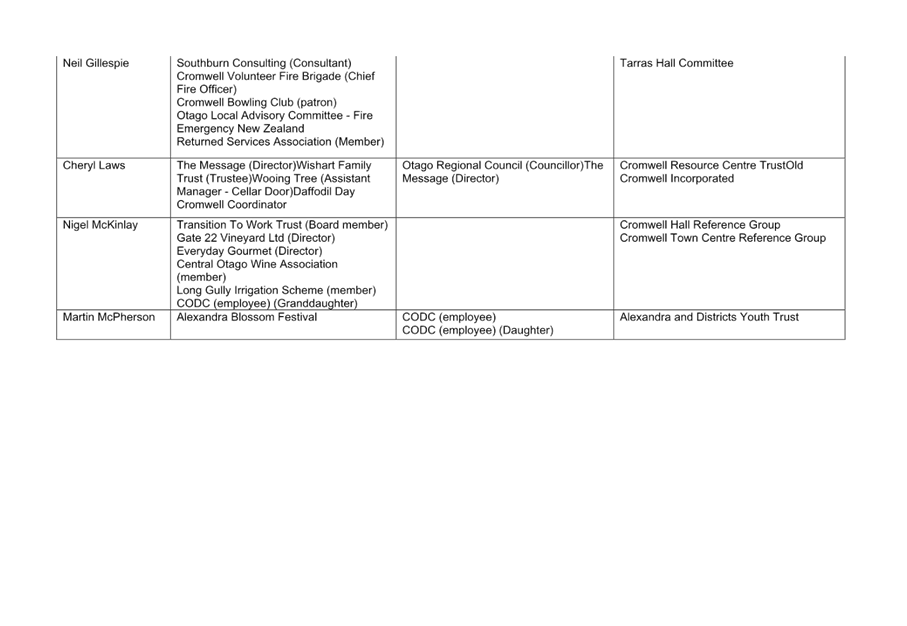
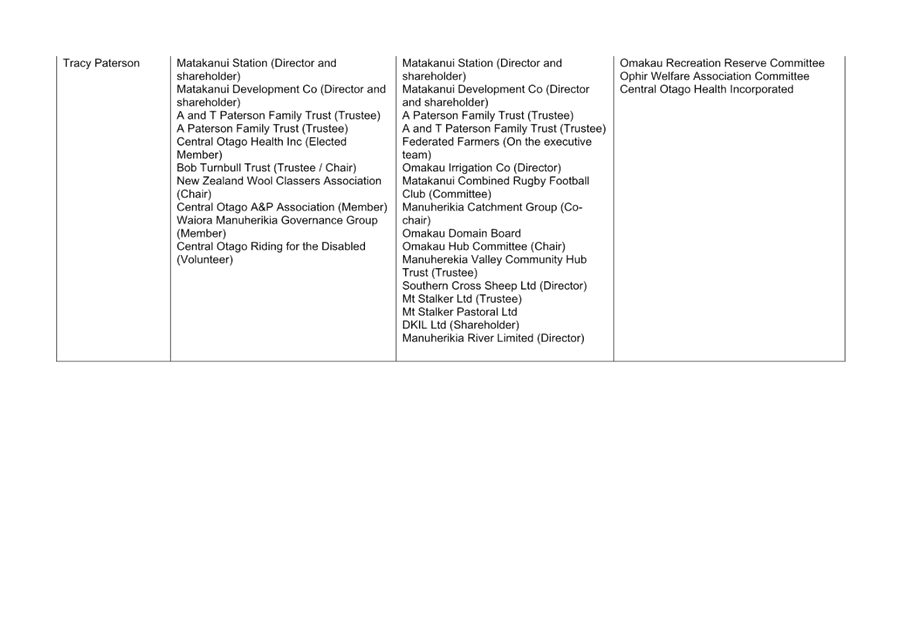
Appendix 1 - Council Declarations
of Interest ⇩
|
Council
meeting
|
30 July
2025
|
6 Community
Board Chair Update
25.15.2 Community
Board Chair Update
Doc ID: 2414471
1. Purpose
Norman Dalley, Chair of the Teviot
Valley Community Board will join the meeting to discuss matters of interest to
the Board.
2. Attachments
Nil
7 Reports
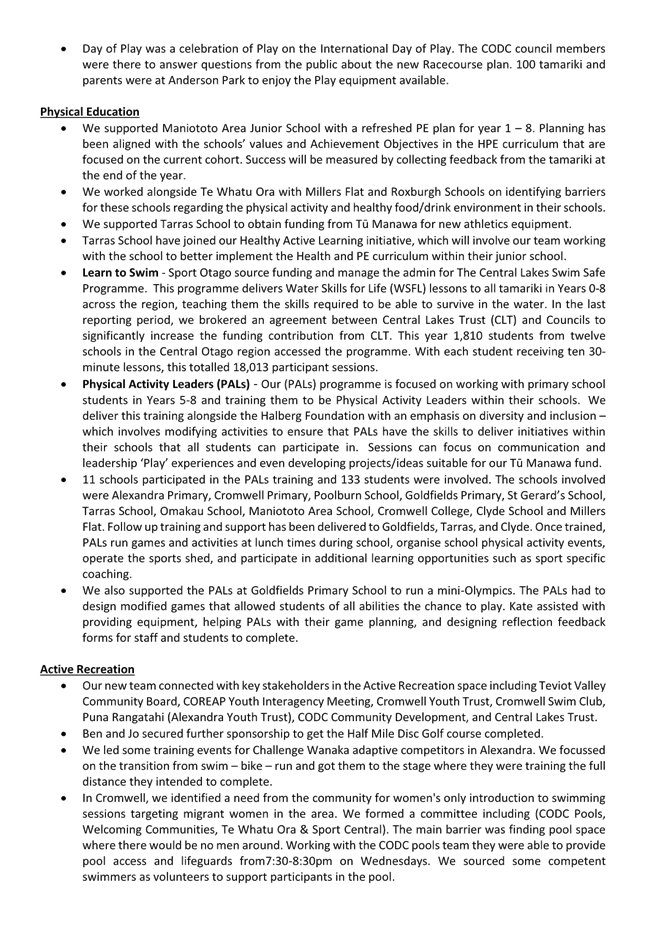
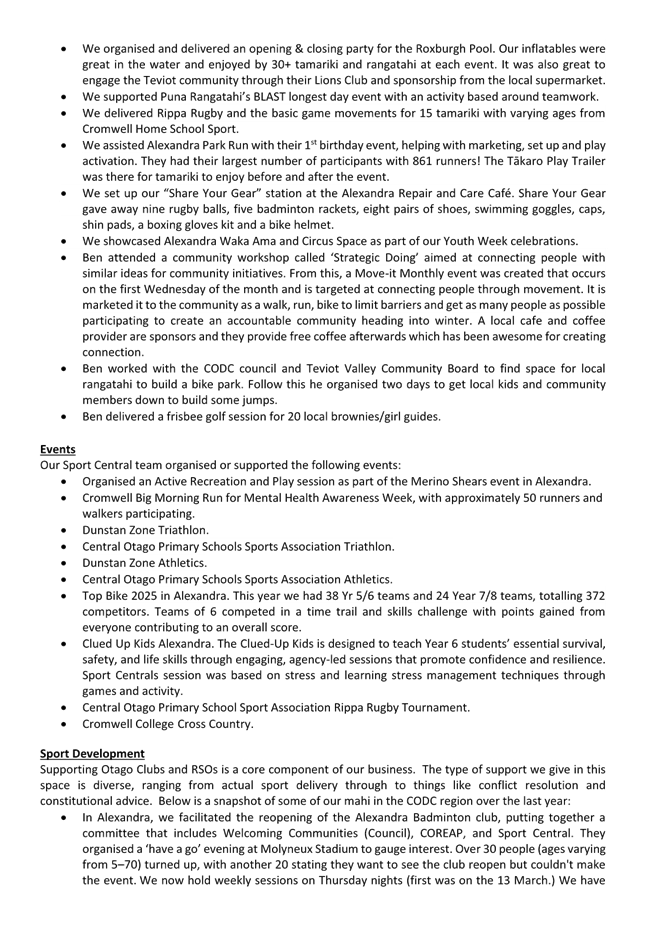
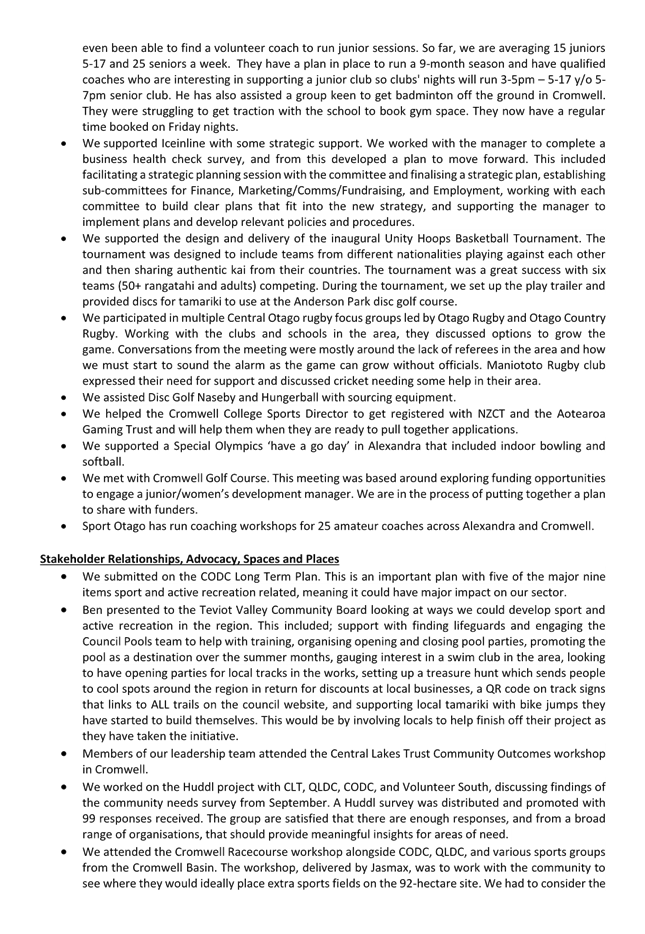
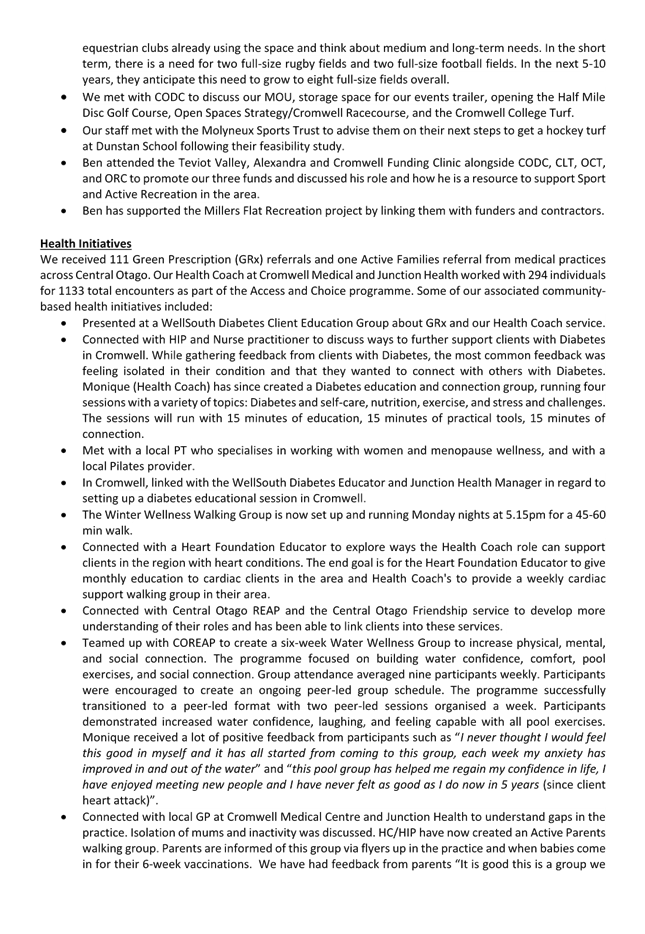
25.15.3 Sport
Otago's Accountability Report
Doc ID: 2511444
|
Report Author:
|
Rebecca Williams, Community
Development Lead
|
|
Reviewed
and authorised by:
|
Louise Fleck, Group Manager -
People and Culture, Acting Group Manager - Community Vision
|
1. Purpose
To provide a report on the
activity of Sport Otago over the past financial year, as required by the Grants
Policy.
|
Recommendations
That the report be received.
|
2. Discussion
In line with the 2019
Grants Policy, applicants who receive $10,000 and above are required to report
back to Council in person. This report includes an accountability report from
Sport Otago. Sport Otago received a grant of $46,440 in the 2024/25 financial
year.
Sport
Otago has received an annual grant from Council since 2001. In addition
to the grant, Council supports Sports Central through providing office space at
the Cromwell Pool.
The
Council grant funding contributes to salaries for staff based in Central Otago,
and includes human resources, programme delivery resources, general operational
costs and travel costs. Sport Otago works with Council’s Parks and Recreation
team annually to adjust work plans and set priorities.
Given the relationship
between the Council’s Parks and Recreation team and Sport Otago, the
funding for Sport Otago will be administered by the Parks and Recreation team
from the 2025/26 financial year and beyond.
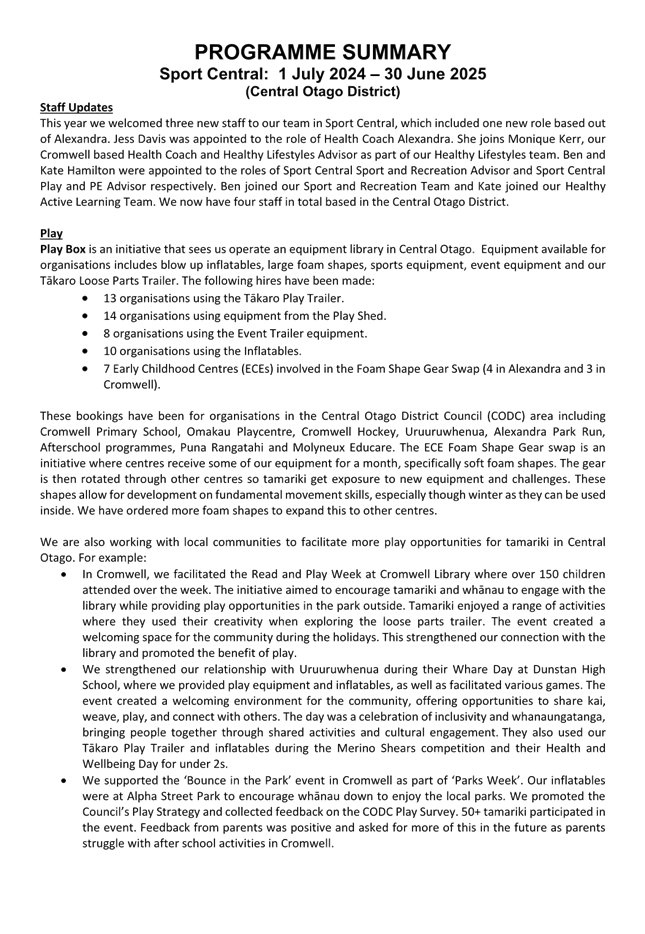
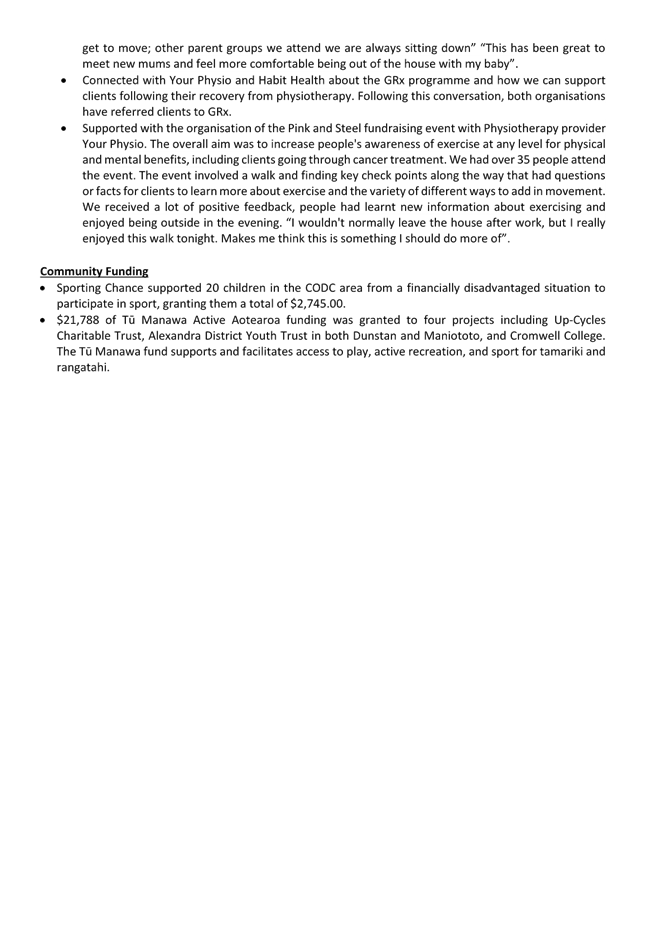
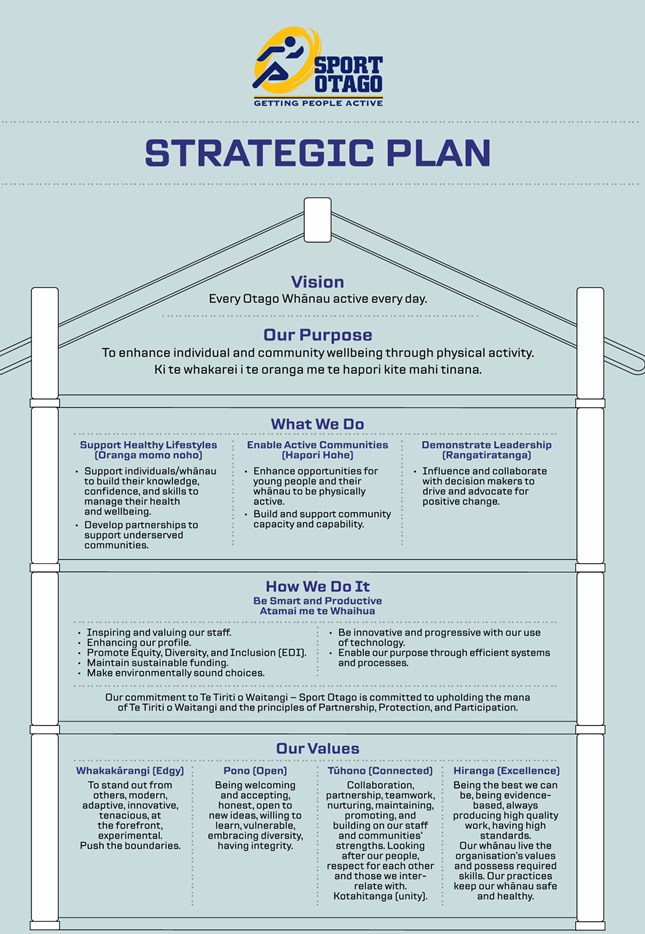
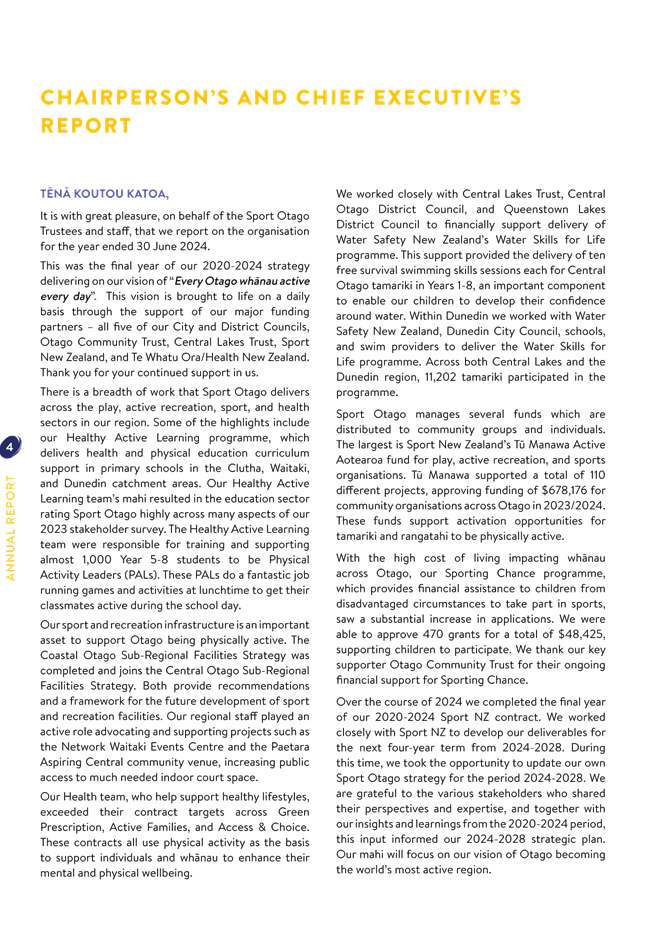
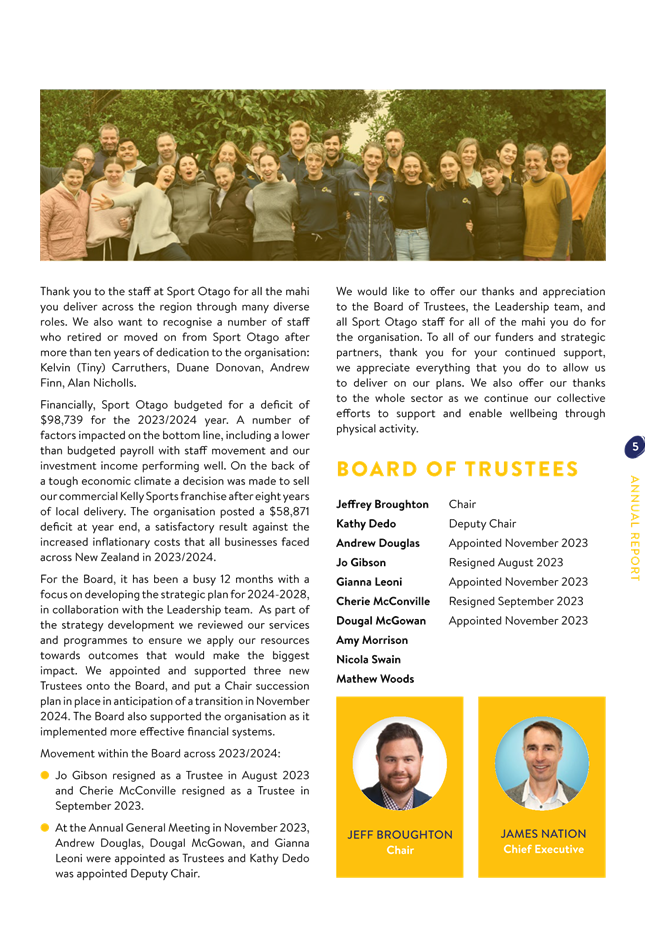
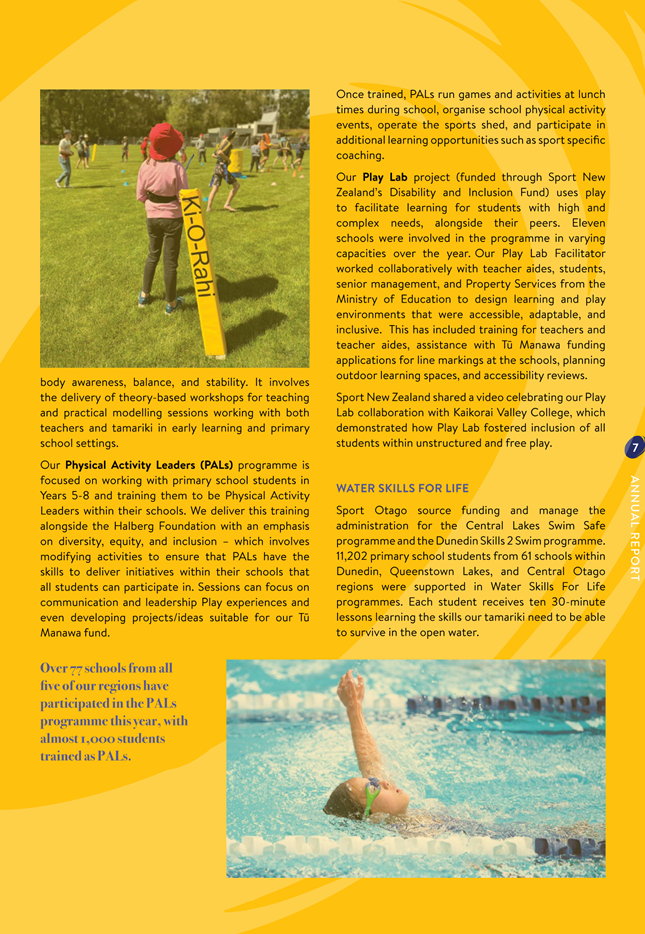
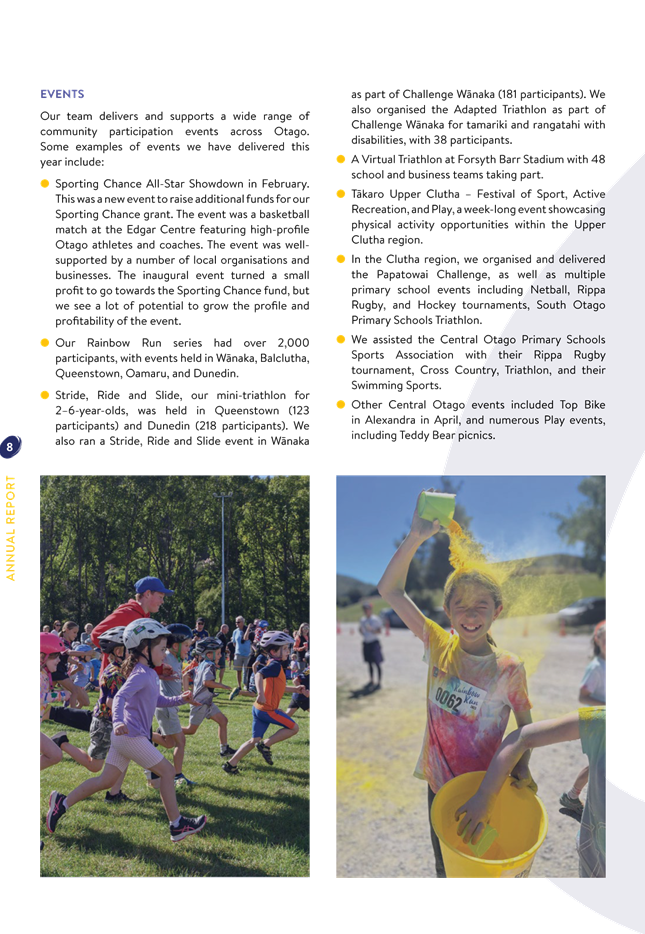
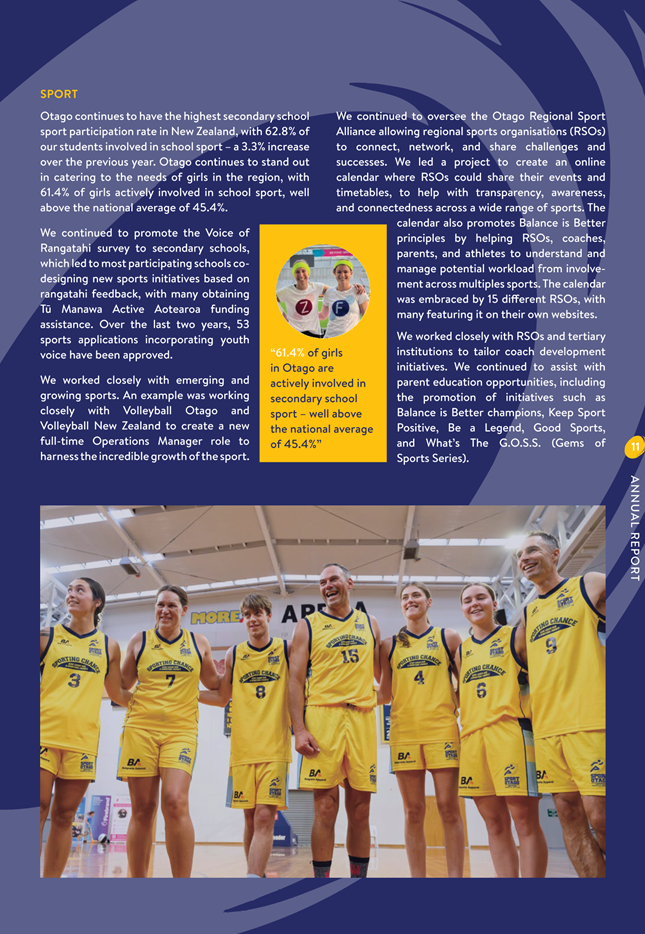
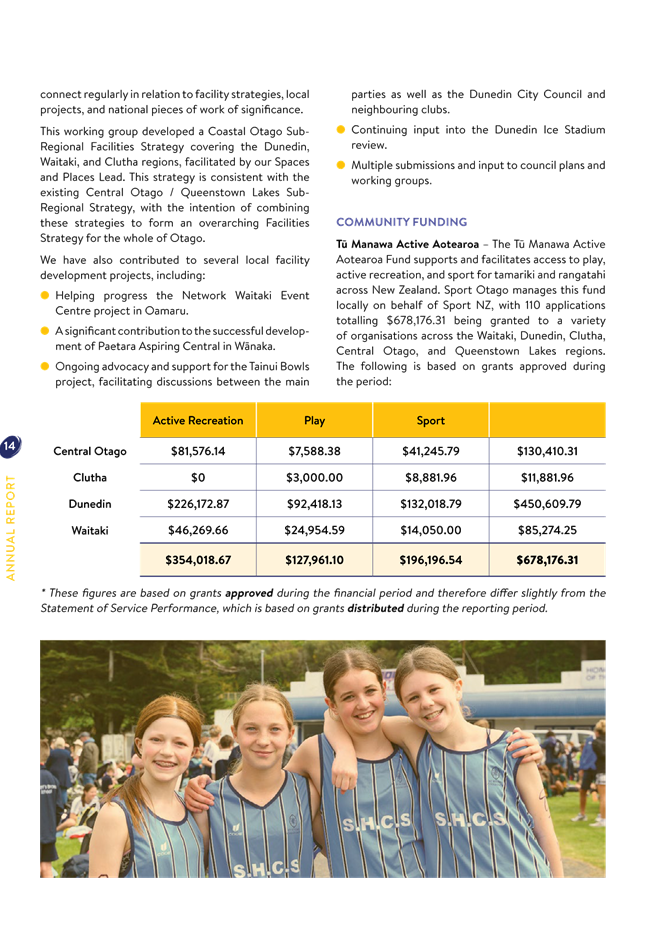
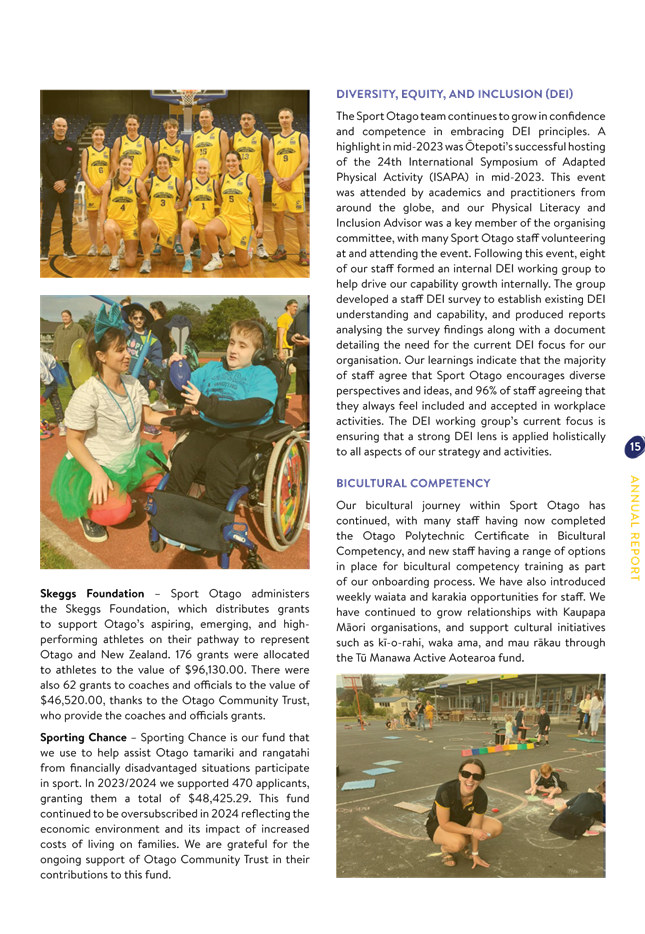
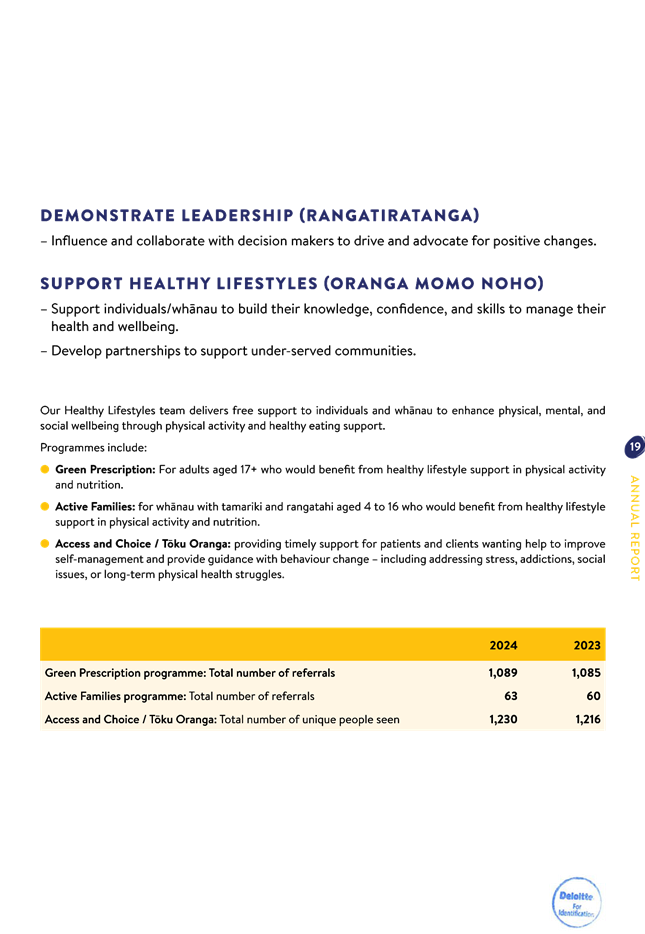
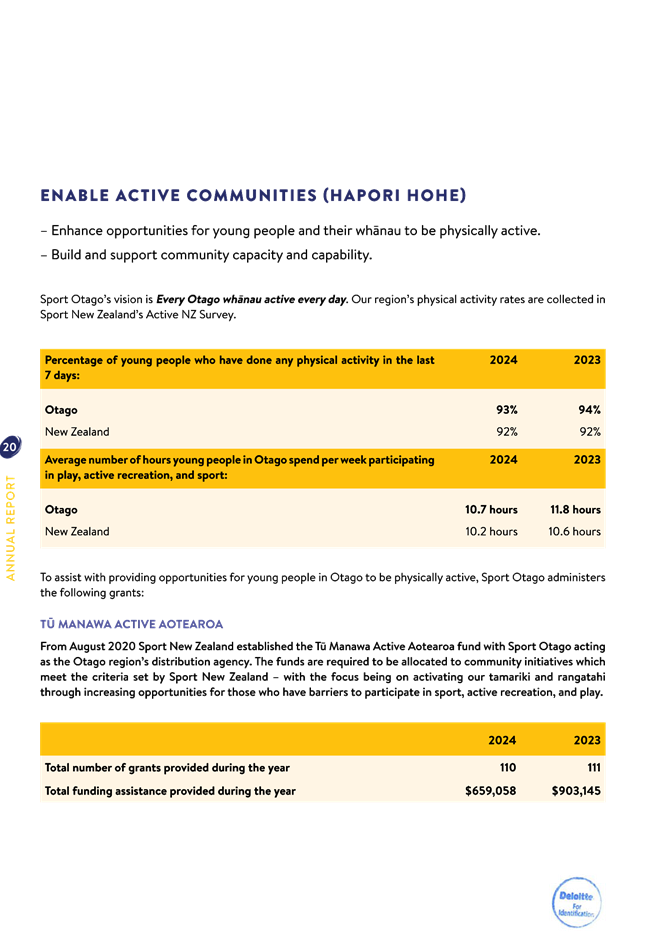
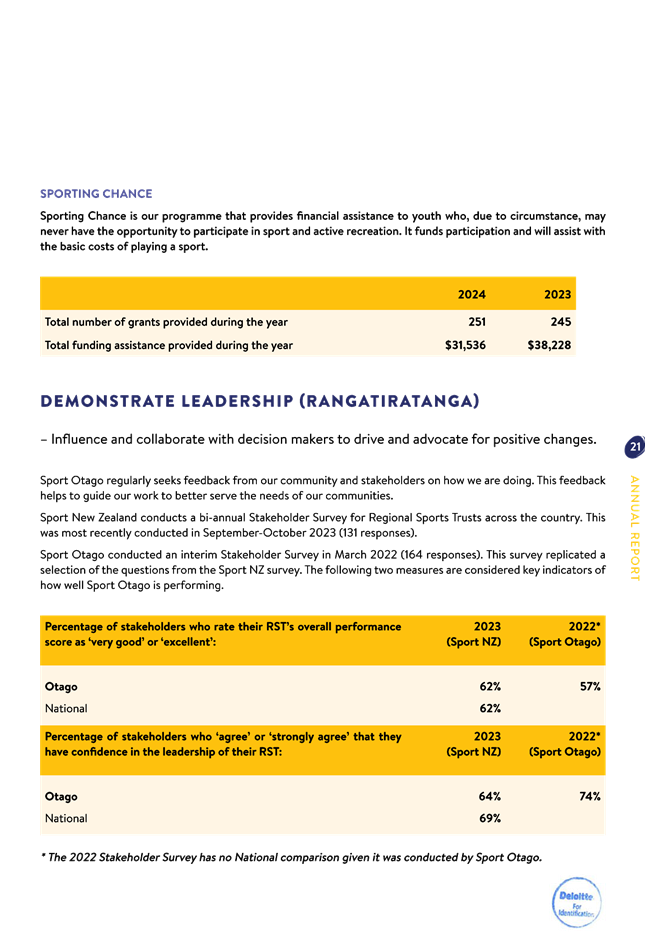
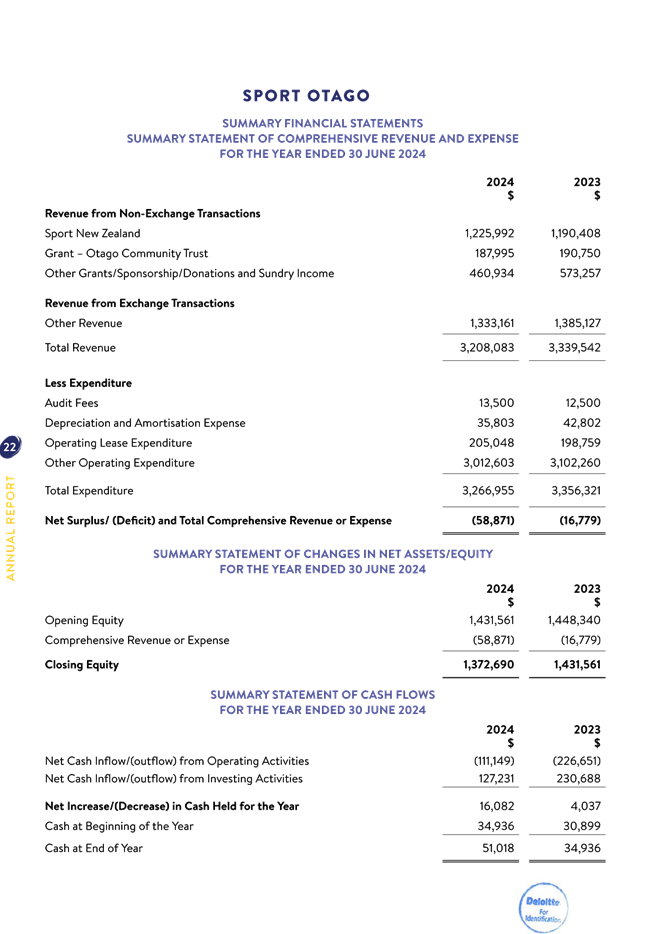
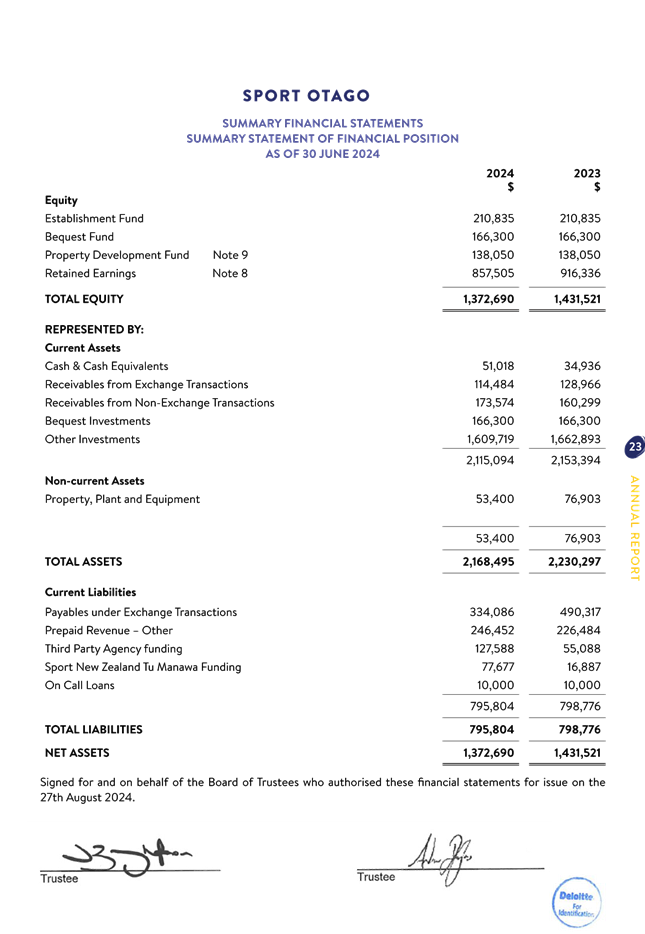
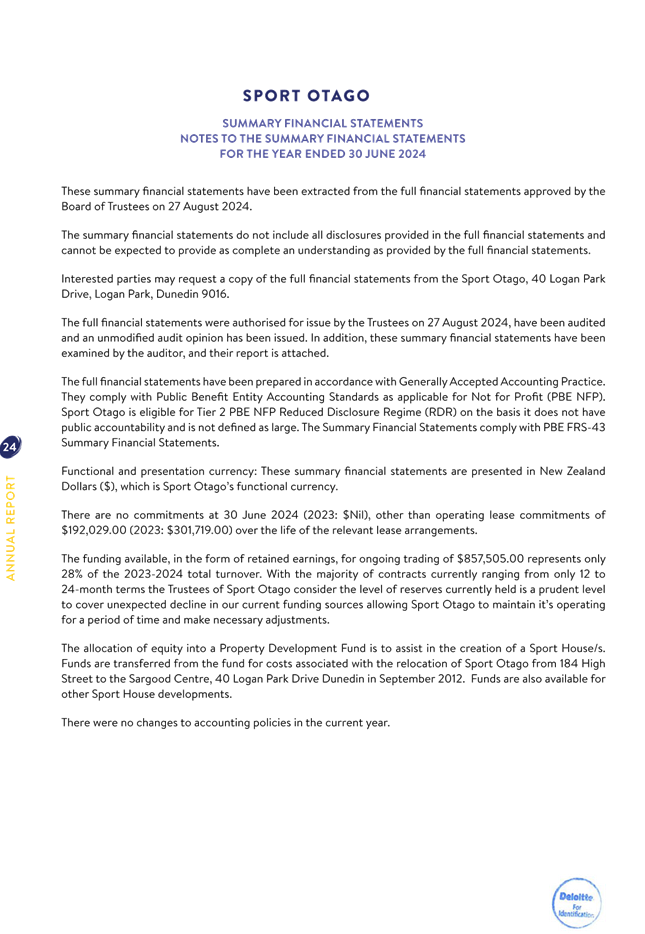
The accountability report
(Appendix 1) summarises the highlights and achievements of Sport Central over
the past year.
3. Attachments
Appendix 1 - Sport Otago
Accountability Report including the 23/24 Annual Report ⇩
|
Council
meeting
|
30 July
2025
|












|
30 July 2025
|

|
25.15.4 Ranfurly and
Patearoa Boil Water Advisory Level of Service
Doc ID: 2540610
|
Report Author:
|
Julie Muir, Group Manager - Three
Waters
|
|
Reviewed
and authorised by:
|
Saskia Righarts, Acting Chief
Executive Officer
|
1. Purpose
of Report
To consider different level of
service options and costs for supply of water to Ranfurly and Patearoa until
treatment plant upgrades are completed.
|
Recommendations
That the Council
A. Receives
the report and accepts the level of significance.
B. Approves the
installation of a temporary protozoa barrier loaned from Selwyn District on
the Ranfurly Water treatment plant.
C. Agrees that
installation of the temporary barrier, and provision of tankered drinking
water while the treatment upgrades are completed be funded as a mix of
operational and capital cost to the Ranfurly and Pateraroa Water Treatment
Plant upgrades.
|
2. Background
This report provides an
update to matters raised in a report for information to Council on 28 May 2025:
Item 25.11.8 Ranfurly and Patearoa Water Supplies Protozoa Barrier
Non-compliance. Doc ID:2478645
The Ranfurly Water
Treatment Plant was constructed in 1984, and the treatment methodology is via
sand filter and chlorine. Water is sourced from the East Ewe Burn. The
plant has faced significant challenges, particularly with turbidity issues in
the source water.
The Patearoa Water
Treatment was constructed in 1980 and serves a small urban area of
approximately 50 properties, and a rural water scheme of approximately 40
properties. Water is chlorination which treats bacteria. Water is sourced
from the Sowburn River. The surface water source is vulnerable to
turbidity following rainfall events.
Both of these plants are
non-compliant for protozoa treatment. They are also occasionally non-compliant
for bacteria treatment during high turbidity events requiring boil water
notices to be put in place.
Upgrades of the Ranfurly and
Patearoa Water Treatment Plants were included in the 2021 -2031 Long Term Plan.
A number of options were considered which would meet the compliance
requirements and be resilient to all weather events. These options were
cost prohibitive.
Alternative options were
then considered which would provide compliance with the drinking water
standards and would significantly improve resilience, but may not withstand
higher impact, infrequent events. An alternative, more affordable option
for upgrading of both the Ranfurly and Patearoa treatment plants was approved
by Council on 29 January 2025. Procurement has been undertaken and the
new plants are programmed to be commissioned in December.
In October 2023, Central
Otago District Council received direction from the government’s water
services regulator Taumata Arowai regarding compliance deadlines for protozoa
barriers to be installed on all water supplies.
For water systems that
rely on surface water as the source, which includes Ranfurly, the installation
and operation of a protozoa barrier was to be completed by 31 December 2024. This
deadline was subsequently extended to 31 September 2025 following changes to
legislation relating to Three Waters Delivery reform and provisions for
deferring Long Term Plans for one year.
Taumata Arowai wrote to
Council on 14 April 2025 requesting a risk mitigation plan which identified how
Council intended to manage the risks presented by the absence of protozoa
barriers for the Ranfurly and Patearoa until the treatment plant upgrades were
completed.
Several iterations of risk
mitigation plans were provided between 1 May and June. These plans
outlined the real time monitoring in place for turbidity and conductivity,
reducing the set points for shut down of the treatment plant and relying on
stored water following rain events, and installation of conductivity monitoring
on the Patearoa plant. Following extensive discussions with Taumata
Arowai council staff were advised the only alternative to installation of
ultraviolet (UV) treatment that would be accepted was a boil water
advisory. The boil water advisory was subsequently implemented during the
week of 14 July and is required to remain in place until a protozoa barrier
(Ultraviolet) is installed.
3. Discussion
The boil water advisory
expected that residents would boil water for drinking and store this for
residential use, with the two small council owned tankers being located at the
two Ranfurly schools for use by the schools.
This is similar to what
occurs in other locations within New Zealand where long-term boil water
advisories are in place. Unlike past boil water notices which have been
installed when the water is too cloudy to treat, in this case the water is the
same as has previously been used and is clear to the eye.
The Ranfurly and Patearoa
communities have frequent experience of short-term boil water notices.
These have been put in place following rain events, when the turbidity
(cloudiness) of the water means that chlorination treatment for bacteria may be
compromised. During these events, water tankers have been supplied to
provide treated drinking water.
This has now set a minimum
expectation from the community for tankered drinking water to be available
within the community for use during boil water advisories. In order to
respond to this, Gore District Council has loaned their small water tanker,
which is now located in Patearoa, and a larger hired tanker is now located at
the Maniototo Hospital with public access to this.
Council operations staff
have been exploring other options to manage the implications of a long-term
boil water advisory. Installing point-of-use treatment devises on food
premises, the Maniototo Hospital, and a single publicly accessible water point
has been investigated. We are waiting on information from a plumber
regarding the practicality and detailed costs for this.
Selwyn District Council
are replacing a containerised UV unit on one of their supplies. Staff
have been in discussions with Selwyn regarding Central Otago District Council
using this as a temporary barrier for Ranfurly until the new treatment unit is
commissioned. The container will be available after 5 August, and could
be decommissioned on the existing site, transported, installed and commissioned
by the early September. This would enable the boil water advisory on
Ranfurly to be lifted 3-4 months earlier.
If a temporary barrier is
installed on Ranfurly then installation and commissioning of Patearoa could be
prioritised over Ranfurly, resulting in earlier lifting of the boil water
advisory on Patearoa.
4. Financial
Considerations
The costs refilling and
transporting the small tankers is estimated to be about $5,000 a month.
The hire, filling and transport cost for the large tanker is estimated to be
about $10,000 a month. This means the costs for tankers for Ranfurly is
approximately $20,000/month and Patearoa is $5,000/month (increase to operating
expenditure).
The estimated cost to
install point-of use treatment on eight sites (Hospital, six food premises, and
one public access site) is estimated to be approximately $70,000 (capital
expenditure).
The estimated cost to
transport and install a temporary UV unit from Selwyn is estimated to be
approximately $150,000 (capital expenditure).
The total available budget
for the Ranfurly and Patearoa water treatment upgrades is $4.2 million.
The estimated costs for design, project management, construction and
contingency for the upgraded plants is $3.92million. This leaves $280,000
of unallocated project budget.
Estimated cost
breakdown for preferred option:
Operational expenditure
Two months providing water
tankers $50,000
Capital expenditure
Transport and install
temporary UV unit $150,000
Total estimated
increase in expenditure $200,000
5. Options
Option 1 –
(Recommended)
Install Selwyn plant at
Ranfurly to provide a temporary protozoa barrier, resulting in approximately a
further six-week boil water advisory for Ranfurly. The estimated total
cost for this is $200,000 (as per table above).
Tankered drinking water
would be provided in Ranfurly for the two schools, the hospital and the public
during the boil water advisory period and is included in the total cost.
Tankered drinking water
would be provided to Patearoa until the new plant is commissioned. This
could be provided from Ranfurly once the temporary barrier is in place,
reducing costs for transport to Patearoa. The upgrade for Patearoa could
then be prioritised over Ranfurly and potentially commissioned earlier.
Advantages:
· Shorter period
(about a 6 weeks) of boil water advisory and high public dissatisfaction in
Ranfurly.
· Earlier
commissioning of Patearoa
· Less likely to
have community alarm fatigue and resulting complacency to any future boil water
advisories that may be required due to turbidity affecting bacteria treatment
between September and December.
Disadvantages:
· Estimated total
cost is $200,000 (as per table above).
· High internal
workload in managing additional construction work, two updates to drinking
water safety plan, and additional advisory and communications with Taumata
Arowai.
Option 2
Residents
boil their water until mid-December, with small tankers supplied for school use
only, point of use treatment for food premises, hospital and a publicly
accessible water tap.
Advantages:
· Hospital and food
premises would not need to boil their water once the point of use treatment
devices are installed (approximately $70,000).
· Large drinking
water tanker would not be required for Ranfurly and Gore tanker for Patearoa
once point of use is installed on a publicly accessible tap.
Disadvantages:
· All other
properties would have boil water advisory until December (approximately 21
weeks) resulting in high level of public dissatisfaction in Ranfurly and
Patearoa.
· Likely to have
community alarm fatigue and resulting complacency if there is a high turbidity
event which could reduce effectiveness of bacteria treatment between August and
December. Potential for people to become sick as a result of complacency.
· Estimated total
cost is $175,000
Option 3
All properties boil their
drinking water until mid-December. Drinking water tankers are provided at
Patearoa, the two schools in Ranfurly, and the hospital. The tanker at
the hospital is available to the public.
Advantages
· Lower cost.
Disadvantages
· All properties
would have boil water advisory in place until December (approximately 21 weeks)
· A very high level
of public dissatisfaction in Ranfurly and Patearoa.
· Likely to have
community alarm fatigue and resulting complacency if there is a high turbidity
event which could reduce effectiveness of bacteria treatment between August and
December. Potential for people to become sick as a result of complacency.
· Estimated total
cost is $125,000
Option 4
All properties boil their drinking water until mid-December.
Public drinking water fill points are available in Naseby and Alexandra.
Advantages
· Lowest cost.
Disadvantages
· All properties
would have boil water advisory in place until December (approximately 21 weeks)
· Residents would
need to travel to Naseby or Alexandra which have fully compliant water supplies
to fill water containers.
· A very high level
of public dissatisfaction in Ranfurly and Patearoa for a prolonged period.
· Likely to have
community alarm fatigue and resulting complacency if there is a high turbidity
event which could reduce effectiveness of bacteria treatment between August and
December. Potential for people to become sick as a result of complacency.
6. Compliance
|
Local Government Act 2002 Purpose Provisions
|
This decision enables democratic local decision making and action
by, and on behalf of communities by outlining the background to the current
boil water advisories on Ranfurly and Patearoa water supplies, and options
and costs to mitigate the duration of these.
|
|
Decision consistent with other Council plans and policies? Such as
the District Plan, Economic Development Strategy etc.
|
Long duration boil water advisories will have economic impacts on
the community and businesses. They will present a negative image of the
district to visitors.
|
|
Considerations as to sustainability, the environment and climate
change impacts
|
Temporary installation of the Selwyn treatment container at
Ranfurly will reduce transport of compliant water to Ranfurly and distance of
cartage to Patearoa.
|
|
Risks Analysis
|
There is a risk of the community suffering alarm fatigue and not
responding if there is an event which results in heightened risk to the water
treatment process, such as high turbidity following rain events.
|
|
Significance, Consultation and Engagement (internal and external)
|
This decision is not considered to be significant. The proposal
will restore expected levels of service earlier. The costs of achieving
this are not significant when compared to the provision of tankered water
only.
|
7. Next
Steps
Staff will proceed with arranging
the Selwyn container to be decommissioned, transported to Ranfurly, installed
and commissioned.
The Ranfurly Water Safety
Plan will be updated to reflect the changes being made to the treatment
processes and re-submitted to Taumata Arowai.
The boil water advisory
can be removed from Ranfurly once the plant is commissioned.
Staff will work with
Fulton Hogan to prioritise installation of the Patearoa Treatment Upgrade
before Ranfurly.
A point of use device will
be investigated for a publicly accessible tap to provide compliant water for
Patearoa residents until the Patearoa plant is commissioned. If this is
not achievable then a tanker will be located in Patearoa until the upgrade is
completed.
Monthly updates on
progress on the treatment upgrades will be provided to the Maniototo Community.
8. Attachments
Nil
|
30 July 2025
|
|
25.15.5 Remission of Excess
Water Charges
Doc ID: 2524438
|
Report Author:
|
Paul Morris, Chief Financial
Officer
|
|
Reviewed
and authorised by:
|
Saskia Righarts, Group Manager -
Governance and Business Services
|
1. Purpose
of Report
To consider whether
Council wishes to remit excess water charges.
|
Recommendations
That the Council
A. Receives
the report and accepts the level of significance.
B. Declines the
application to remit 100% of excess water charges of $4,417.68 and applies
the current remission policy relating to excess water charges of 50%.
|
2. Background
A leak was discovered at a
property resulting in an invoice of $4,708.80 (inclusive of GST). The usage was
7,848 units. The average usage in the past 2 years is 459.5 units or $275.70.
Under current policy the
water user would pay $2,206.84
The leak was discovered by
the property owner and repaired promptly.
Council’s water bill
was received post the repair and discussions occurred around the 50% standard
remission that would apply in this case.
The property owner does
not feel they are responsible for the bill as they did not know there was a
leak and as such it is unreasonable to charge them.
3. Discussion
Council has a Rates
Remission Policy (The Policy) in relation to excess water charges, which was
reconfirmed in the most recent Long-Term Plan 2025-34.
The policy contains the
following in relation to the remission of water rates attributable to leakage:
“From time-to-time
water consumers experience a loss as a result of leaks or damage to their water
supply system. It is the normal practice for the consumer to be responsible for
the maintenance of the reticulation from the water meter to the property, and
to account for any consumption of water supplied through the meter. This is
currently enforced through the Water Supply Bylaw 2008.
Council has taken the view
that some consumers may experience an occasional water leak without them being
aware of the problem. They have therefore decided that it would be reasonable
to allow for a reduction in charges to these consumers in certain circumstances.
This policy statement
addresses that decision.
Objective of the Policy
To standardise procedures
to assist ratepayers who have excessive water rates due to a fault (leak) in
the internal reticulation serving their rating unit.
Whilst at the same time
ensuring that consumers retain responsibility for the maintenance of their
private reticulation, as required by the Water Supply Bylaw 9.15.
Conditions and Criteria
The Council may remit the
excess water rates where the application meets the following criteria:
• The policy will
apply to applications from ratepayers who have excess water rates due to a
fault(s) in the internal reticulation
• That all
applicants are requested to submit their application in writing before the due
date of an invoice
•
That a report from a registered plumber be supplied stating that the property
has experienced a water loss as a result of a leak
•
That proof of the repairs to the internal reticulation be submitted for
verification (i.e. plumber’s repair account) within 60 days of the due
date of an invoice
•
That the ratepayer be charged the full charge for normal consumption
• The maximum relief
that will be provided will be 50% of the difference between the normal
consumption and the actual water consumption for that period any remission
under this policy will be limited to one application within any two-year period
for any particular rating unit
• The Group Manager
– Governance and Business Services be delegated authority to consider
applications for remission of excess water rates and, if appropriate, approve
or decline them.
Notes
• “Internal
reticulation” refers to the underground and indoor pipe work and
specifically excludes irrigation and leaking toilets, taps etc
• The “normal
consumption” will be calculated at Council’s discretion from the
information available
• No adjustment
shall be backdated beyond the current period invoiced
• This is a
financial remission only based on the volumetric charge.”
In this case the ratepayer
has complied with the policy to achieve a 50% remission.
The ratepayer is
requesting a 100% remission on the excess water charges and to pay as they
believe the problem wasn’t known by them, they fixed the problem
immediately and feel it is an unreasonable charge that they shouldn’t
have to pay for.
Council could remit the
charge under extreme financial hardship, but staff have not pursued this avenue
as the only argument put forward by the ratepayer is one of equity and
fairness.
Council has always held to
the idea of ratepayer vigilance in respect of water supply on private property.
In that it is the responsibility of the property owner to ensure it is
maintained appropriately. Water use becomes the responsibility of the property
owner once it enters the property and given Council already contribute towards
excess water charges by remitting 50% of the cost it is difficult to accept the
arguments raised.
4. Financial
Considerations
If the Council accepts the applicant’s
argument, then the additional cost to Council would be $2,208.84
5. Options
Option 1 –
(Recommended)
Decline the applicants
request and apply the remission policy as it currently stands
Advantages:
· Policy
integrity remains intact and precedent is not created.
· Treats
this applicant the same as all other previous applicants
Disadvantages:
· None
Option 2
Grant the applicants
request and remit 100% of the excess charge
Advantages:
· None
Disadvantages:
· Compromises
the integrity of the Remission Policy.
· Sets
an unwanted precedent.
6. Compliance
|
Local Government Act 2002 Purpose Provisions
|
This decision enables democratic local decision making and action
by, and on behalf of communities by ensuring Council has robust and equitable
remission policies in place.
|
|
Decision consistent with other Council plans and policies? Such as
the District Plan, Economic Development Strategy etc.
|
Yes. Consistent with the past application of the remissions policy
|
|
Considerations as to sustainability, the environment and climate
change impacts
|
N/A
|
|
Risks Analysis
|
None
|
|
Significance, Consultation and Engagement (internal and external)
|
N/A
|
7. Next
Steps
Inform
the ratepayer of Council’s decision
8. Attachments
Nil
|
30 July 2025
|
|
25.15.6 Amendment to the
Rates Remission Policy to allow for the remission of Water rates in certain
circumstances
Doc ID: 2524762
|
Report Author:
|
Paul Morris, Chief Financial
Officer
|
|
Reviewed
and authorised by:
|
Saskia Righarts, Group Manager -
Governance and Business Services
|
1. Purpose
of Report
To consider amending the current
rates remission policy to allow for the remission of water rates in certain
circumstances.
|
Recommendations
That the Council
A. Receives
the report and accepts the level of significance.
B. Agrees that
remissions of rates or volumetric charges is not required for ratepayers
where Advisory Boil Water or Boil Water Notices are issued in relation to
water supplies.
|
2. Background
A boil water advisory (The
Advisory) has been issued for the Ranfurly and Patearoa area. This advisory is
in place until December 2025.
Following discussion with
the Water Services Authority – Taumata Arowai, (The authority) a boil
water advisory was issued to safeguard public health. The advisory will
continue until December 2025 (or earlier if temporary measures are put in place
– refer to separate paper on this agenda) by which time Council will have
completed work to upgrade the treatment plant to treat water for Protozoa.
It is important to note
this is a precautionary measure. Water quality has not changed.
There has been public
commentary around this advisory notice and how it impacts the service provided
by Council with the argument being the service currently being provided (having
to boil water) is less than what was provided prior to the advisory notice,
effectively a perception exists that the service provided is somehow inferior.
Staff have been asked to
prepare a report on how a rebate/remission of some description could be
implemented to reflect ratepayer’s concerns.
3. Discussion
The boil water advisory
has been issued for the Ranfurly/Patearoa supply due to the lack of Protozoa
barrier at the water treatment plant. This is being remedied by the
installation of such barriers at the treatment plant, and this is expected to
be completed in December 2025.
This type of advisory may
also be issued on other water supplies within the District.
Given there is increased
scrutiny by the water authority the question is does Council see the need for
an appropriate remission to cover these types of events?
Council’s water
activity generates its revenue from rates and water charges. It recently
rebalanced its income to generate more from water charges and less from rates.
It delivers water through a significant network of assets.
The value proposition in
relation to water is the protection of “public health… through the
provision of safe reliable and trustworthy water supplies (CODC LTP
2025-34)” in exchange for the level of rates and water charges being
paid.
Analysing the options
available to Council two main options present themselves the first being to
leave the remissions policy as it currently stands and the second is to amend
the remission policy to give some remission through either water rates or volumetric
charges to those impacted by these issues.
Council does not provide
guarantees as to the safety of the water it provides through its supply
network.
The
case for not providing a remission.
If Council decided to not
amend the remission policy, it would be doing so on the basis that it is still
providing potable water to consumers. The boil water notice is an advisory and
is due to Council not yet complying with the authority’s standards. There
is no evidence of any degradation in the water from before the advisory notice.
If the Council amends its
remission policy and applies a remission in this case, this will set a
precedent for future advisories or notices that may apply to other Council
schemes.
Remissions reduce revenue
in the year the remission is applied. Rates are set based on the level of
expenditure projected. If we reduce the level of revenue through remissions
this will create an operating deficit that cannot effectively be recovered. The
deficit cannot be added to the next years rates requirement as all water user
ratepayers would end up paying the additional cost of the remission which is
unfair.
Determining the basis to
issue a remission is difficult. Is it a token amount decided by Council or is
it based on the actual or perceived deprivation? If an advisory notice is in
place for six months, should a six-month remission be applied?
The applications of a
remission may have a wider unintended impact as it could set precedence for
things like weather events where Council issues a boil water notice on its
schemes.
Protozoa can be treated at
source but there may be circumstances where protozoa may enter the network
system which may trigger a boil water notice. Would this be differentiated from
the type of event being contemplated here.
Not all users are
ratepayers. Renters will not get any benefit of a remission while still paying
increased power costs.
Unrelated to physical
water provision this is new policy and may be construed as impacting the
election process as it benefits blocks of ratepayers.
The case for providing
a remission.
In council’s LTP it
state’s that Council’s vision is to protect public health and the
environment through the provision of safe, reliable and trustworthy water
supplies. A boil water advisory whilst precautionary may not meet with the vision
we espouse for water services. Therefore, some recognition of this could be
made.
This is similar to the
situation Council face in say resource planning where if Council do not meet
the statutory timelines Council are required to refund/discount fees to an
applicant.
There is an additional
cost imposed on ratepayers because there will be additional power consumption.
Some recognition could be made to reflect this.
The method to provide a
remission
There are two methods to
provide a remission if required. They are;
1) Remit
all or part of the fixed targeted rate. Currently that rate is $684.66 and/or
2) Remit
all or part of the water used volumetric charge. This currently sits at 60c per
unit for the first read of the year (reflecting water used from the previous
financial year, and $1.60 for the remainder of the year).
The Remission policy
amendment
The wording of any policy
adjustment is important. A potential draft may contain the following points.
“Remission of Rates
where Boil Water Notices are Issued.
The objective is to
recognise the extra costs associated with a long term (longer than 1 month in
duration) Boil Water notice that is either issued by Council due to an event
that prevents Council fulfilling its vision to protect public health and the environment
through the provision of safe, reliable and trustworthy water supplies or an
advisory boil water notice issued in conjunction with Taumata Arowai.
Council will determine the
application of this remission at their discretion.
Council will either
i) apply
up to 15% of the current targeted fixed water rate across the number of months
the Boil water notice remains in place or
ii) apply
a 50% remission to the volumetric charge applicable to water consumed in the
months applicable to the issued boil water notice or issued advisory Boil water
notice.”
4. Financial
Considerations
The impact on Council’s finances would depend
on the number of impacted properties and the level the Council wish to set the
remission.
If it is assumed Council decides that the levels
suggested above in the draft policy amendment are appropriate then a full year
remission would be $102.70 per ratepayer or $10,270 per 100 ratepayers per
year. Assuming the notice lasts for 6 months the cost to Council would be
$51.35 per ratepayer or $5,135 per 100 ratepayers. Applying this level to the
Ranfurly/Patearoa area (658 connections) the cost would be $33,788.3. This
money would be lost as it could not be recouped in the current year, and it would
be unfair to recover it in future years.
If this were to affect 3000 ratepayers for the same
length of time, then the remission starts to escalate to $154,050 in this
example.
5. Options
Option 1 – (Recommended)
Council does not amend the
rates remission policy to allow for remission of rates on certain events
impacting the quality of water
Advantages:
· The
notice is advisory and there is currently no evidence that the water supply is
an issue
· This
avoids setting a precedent and having to define exactly when or how a remission
policy may apply.
· Revenue
reduction would not occur with no chance in the future to re-coup.
· Arbitrary
determination rules are not applied.
· Providing
a remission close to an election may be perceived negatively by candidates
during the election process.
Disadvantages:
· Ratepayers
perceive they are receiving a substandard service for the same cost
· Cost
to ratepayers will increase as they must now treat the water by boiling it
which will increase electricity costs.
· Does
not alleviate the concerns of the safety of Council’s water supply.
Option 2
Council amends the
remission policy to give relief in the case of issuance of boil water notices
Advantages:
· Provides
financial relief for ratepayers incurring additional costs in boiling water.
Disadvantages:
· Sets
precedents for not only application of Boil water notices but could be argued
for other parts of Council.
· If
the remission is applied to Volumetric charges it could result in unintended
consequences of water usage going up as users recognise water will be cheaper.
· Creates
perceptions from election candidates that the remission has had an impact on
the election.
· Revenue
reduction due to applying the remission would not be recovered.
· Policy
may be created on the fly.
6. Compliance
|
Local Government Act 2002 Purpose Provisions
|
This decision enables democratic local decision making and action
by, and on behalf of communities by continued provision of potable water that
the cost is fairly distributed to all users.
|
|
Decision consistent with other Council plans and policies? Such as
the District Plan, Economic Development Strategy etc.
|
Yes. It is consistent with Council’s Long-term plan.
|
|
Considerations as to sustainability, the environment and climate
change impacts
|
N/A
|
|
Risks Analysis
|
The decision has been made to put the advisory boil water notice
on which protects the health of the community minimising the risks associated
with untreated (protozoa) drinking water
|
|
Significance, Consultation and Engagement (internal and external)
|
N/A
|
7. Next
Steps
Depending
on Council’s decision, no further action is required. However if the
decision is to provide a remission an amended Remission policy will need to be
drafted including Council’s direction on level of remission.
8. Attachments
Nil
|
30 July 2025
|

|
25.15.7 Financial Dashboard
31 May 2025
Doc ID: 2522166
|
Report Author:
|
Paul Morris, Chief Financial
Officer
|
|
Reviewed
and authorised by:
|
Saskia Righarts, Group Manager -
Governance and Business Services
|
1. Purpose
Inform Council of the
financial reporting tools currently presented to Council Executive and gain
Council’s view on the usefulness to the councillors of this tool for
governance of the business.
|
Recommendations
That the report be received.
|
2. Discussion
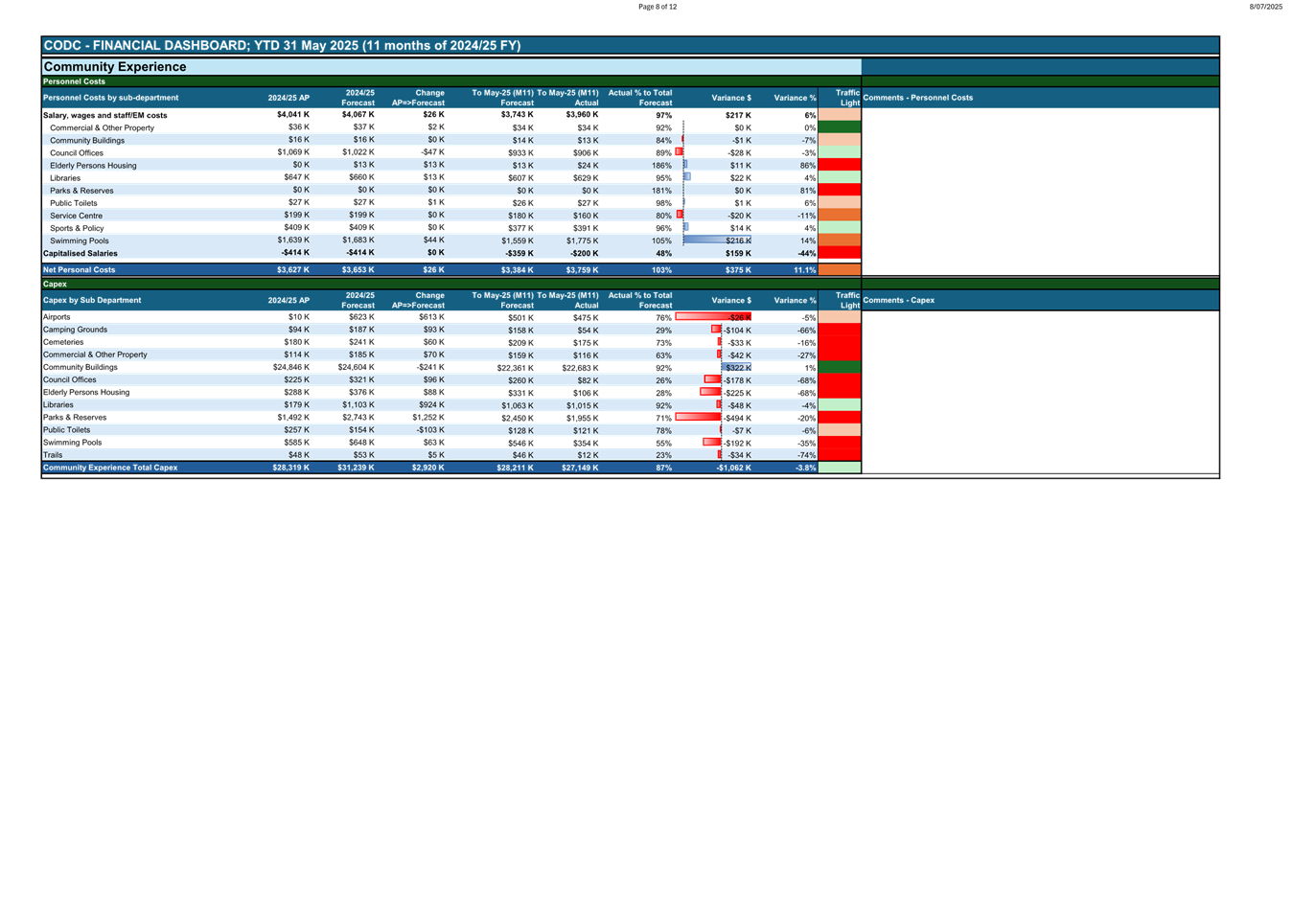
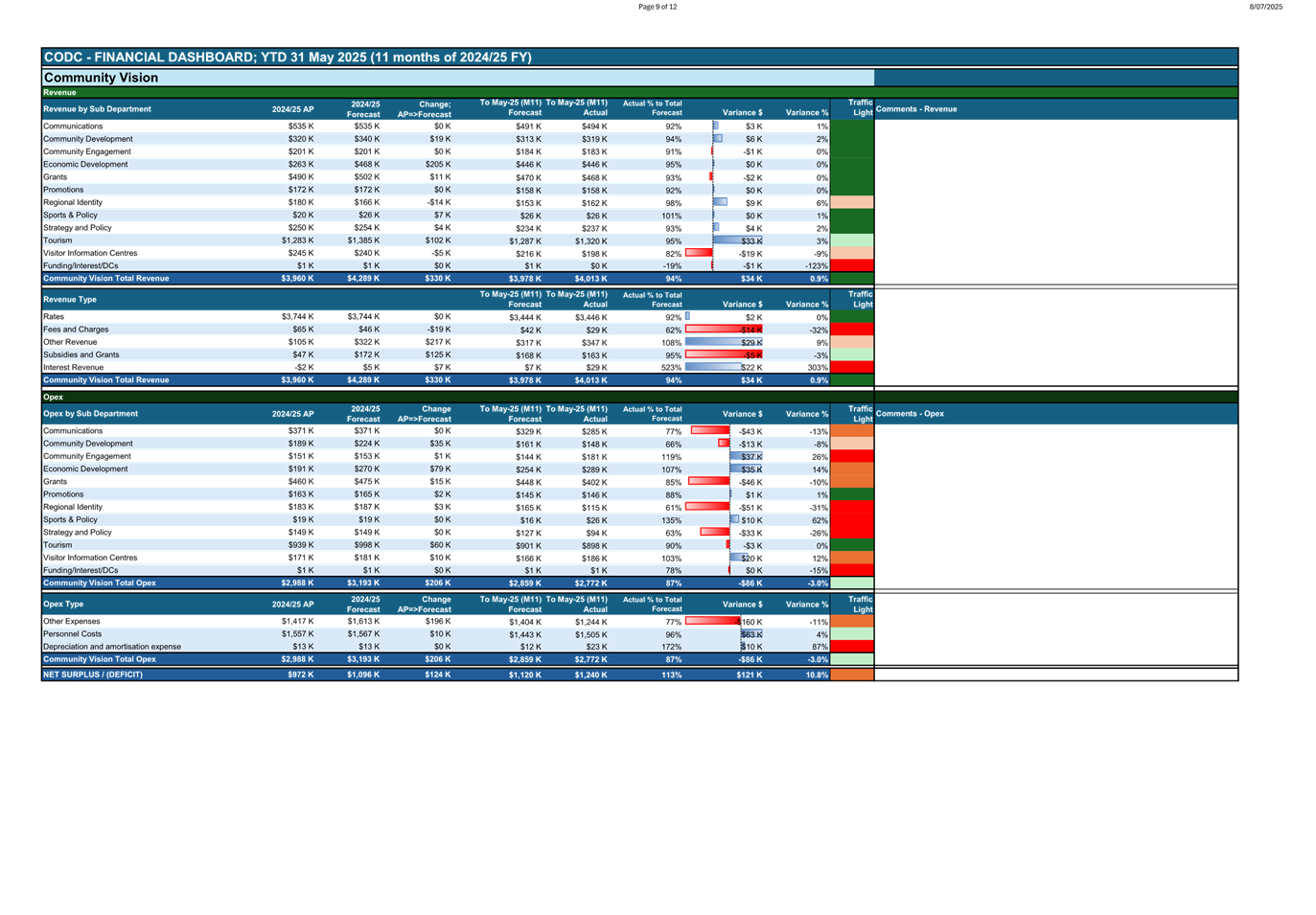
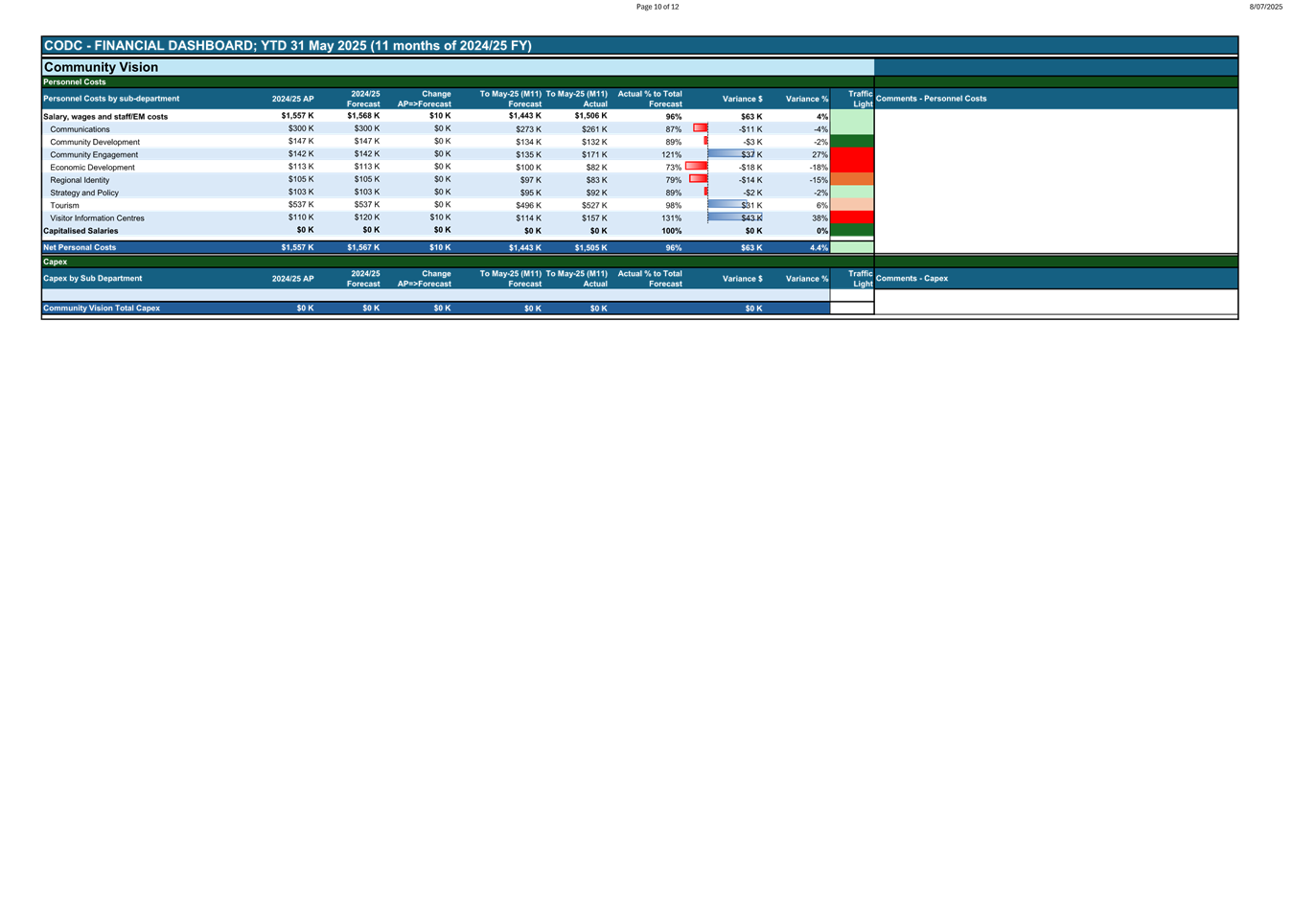
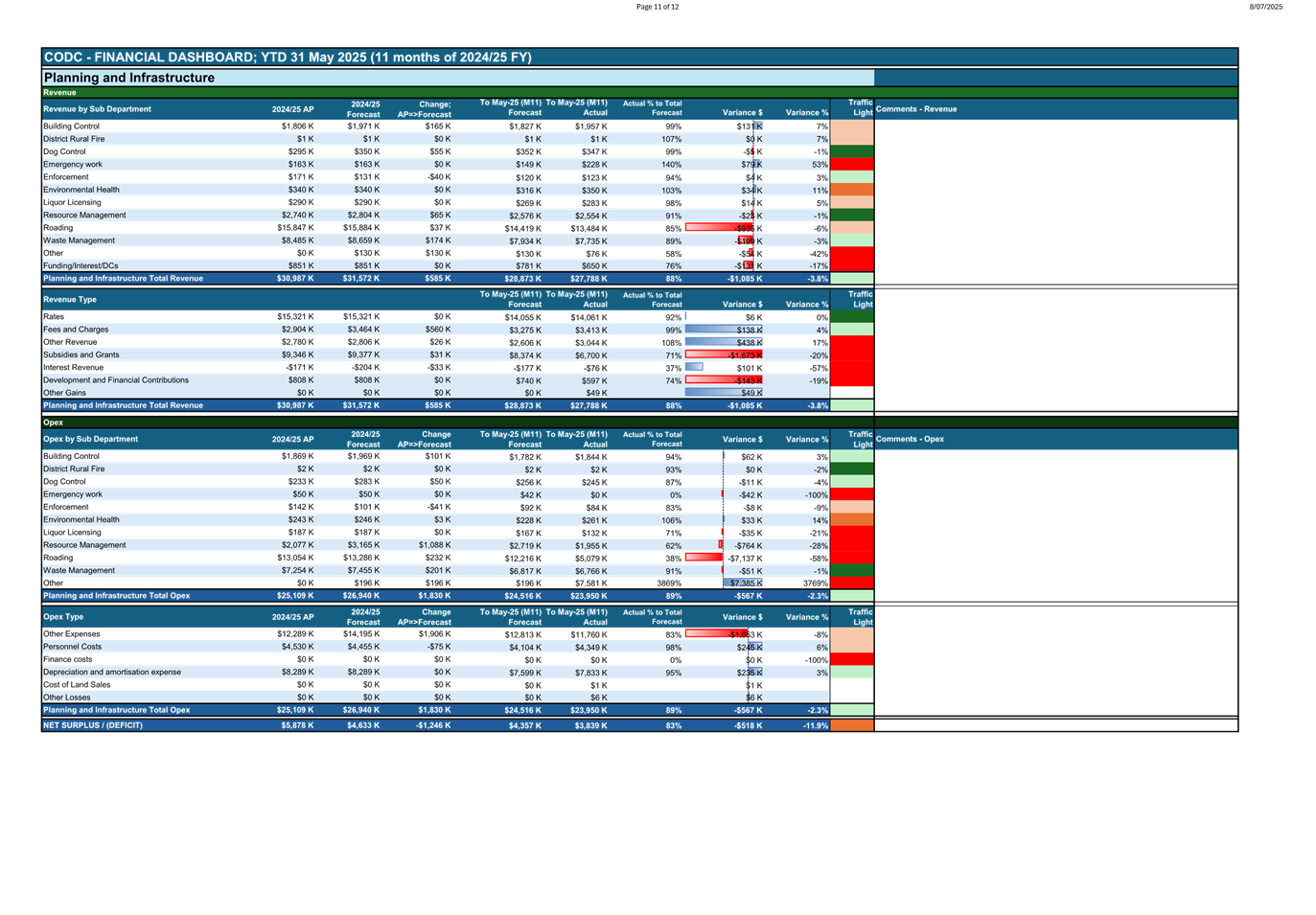
Staff have been working on
the concept of a financial dashboard to assist the Council’s managers and
budget holders in understanding their budgets, the impacts of decisions on
future results and to hold budget holders to account during the year.
The dashboard was
introduced at the beginning of the 2025 financial year with an idea that it
would initially be produced quarterly and presented to the Executive Leadership
Team at their meeting for discussion.
The Dashboard has evolved
over time and will now be presented monthly.
The Audit and Risk
Committee has reviewed the dashboard and suggested some changes that may make
the information more useful to governance. To this end we are going to
implement linkages to the Council’s recently adopted Financial Strategy
in the next iteration of the dashboard to show things such as balanced budget
benchmark, essential services benchmark on at least a quarterly basis.
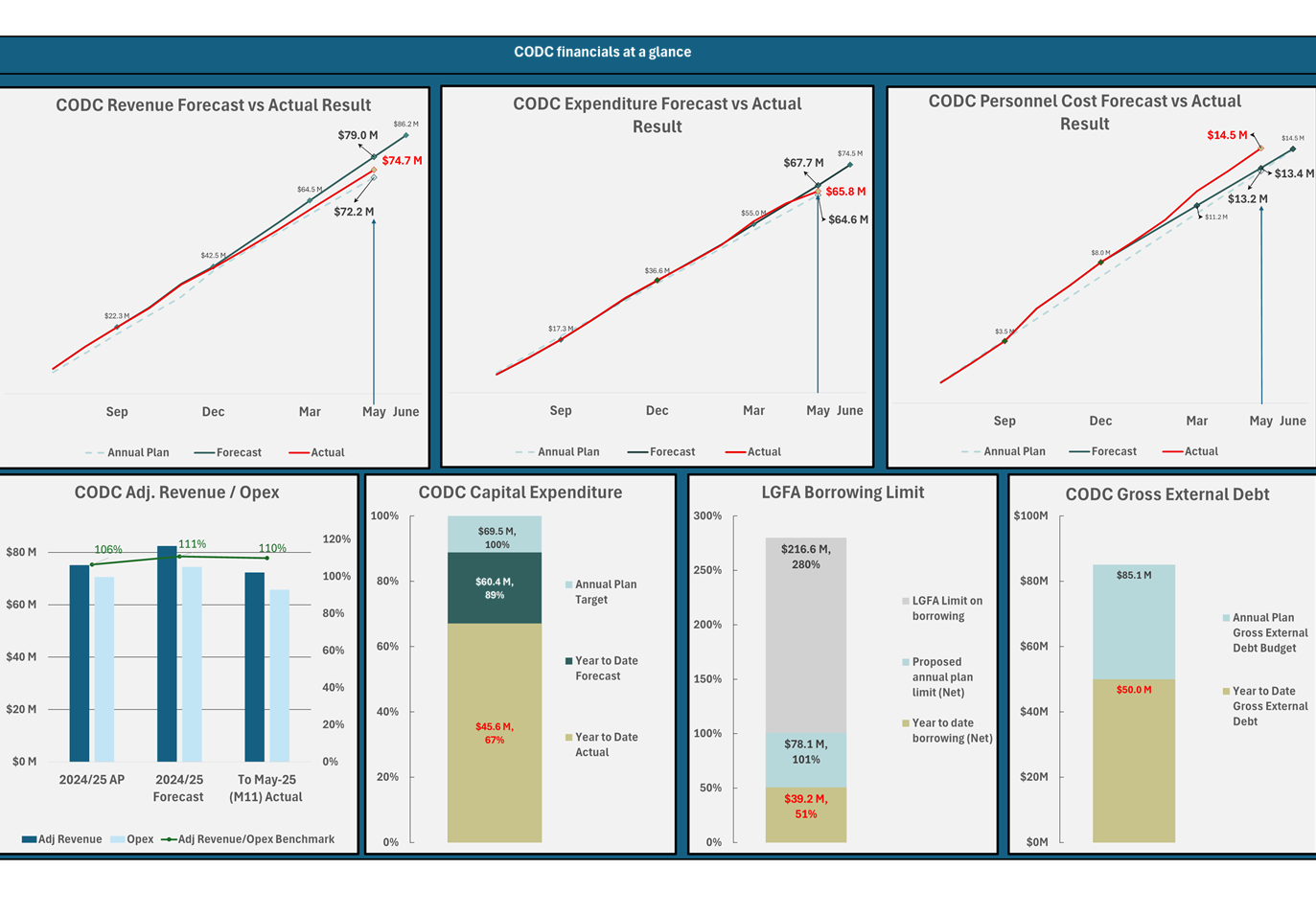
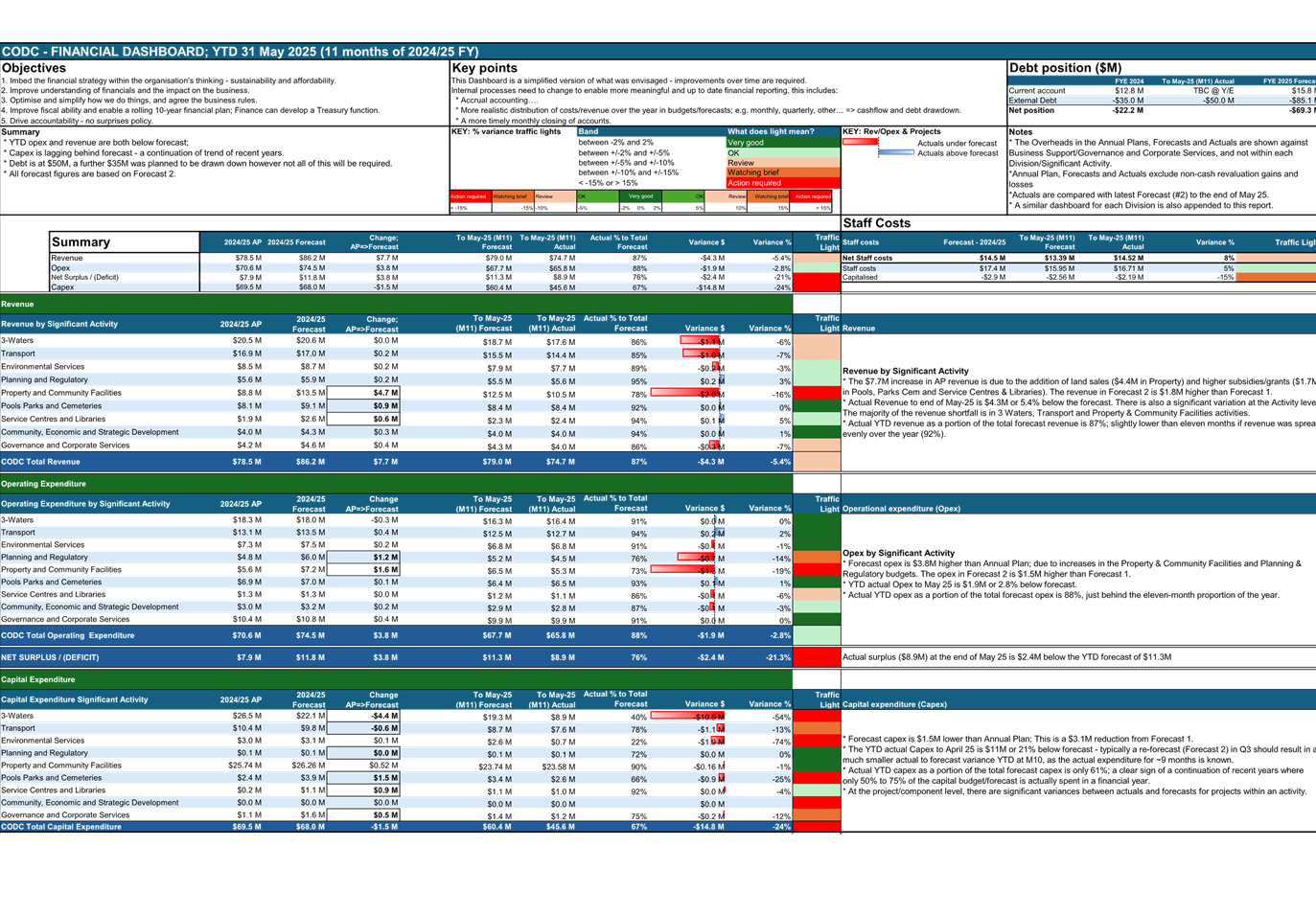
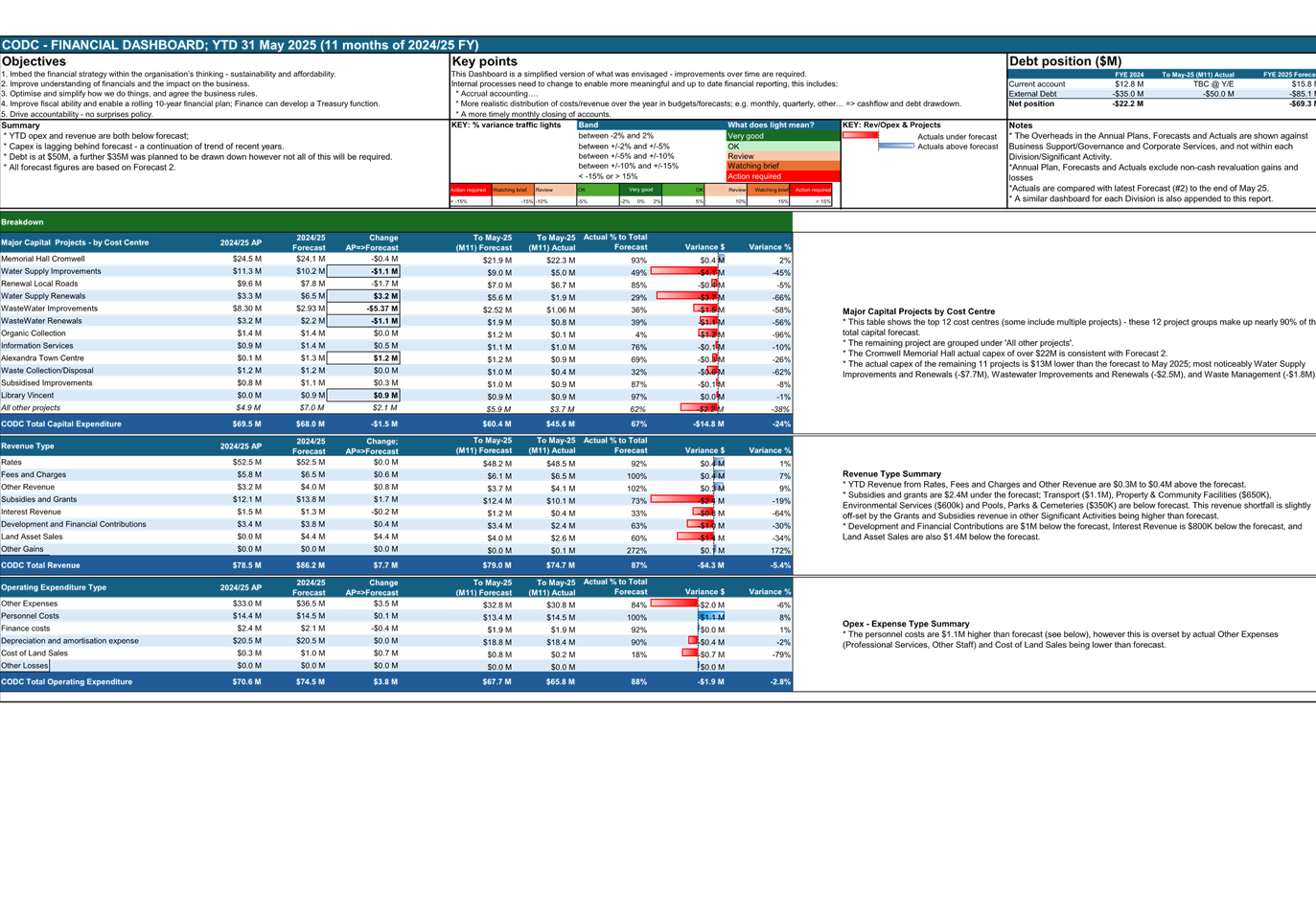
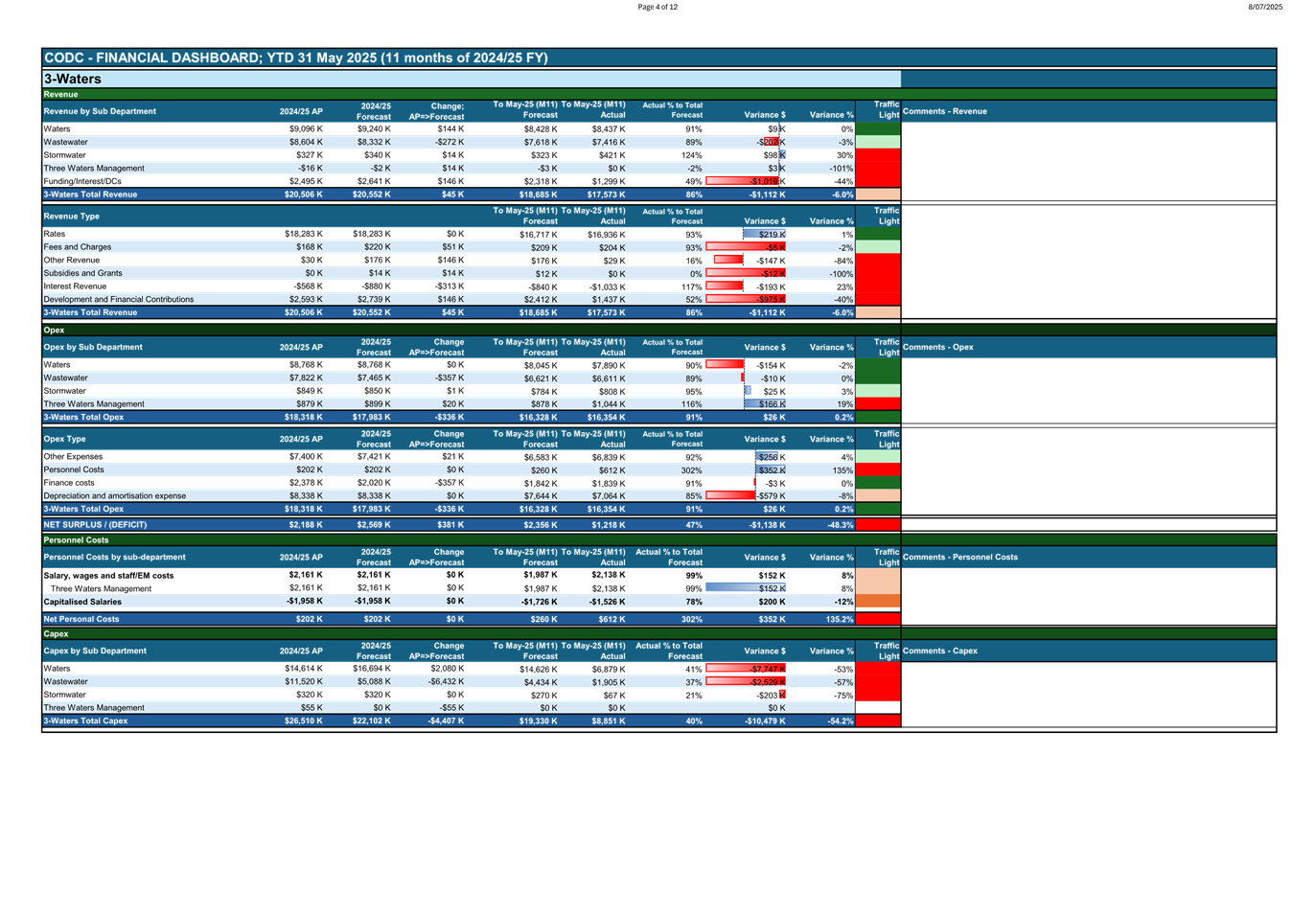
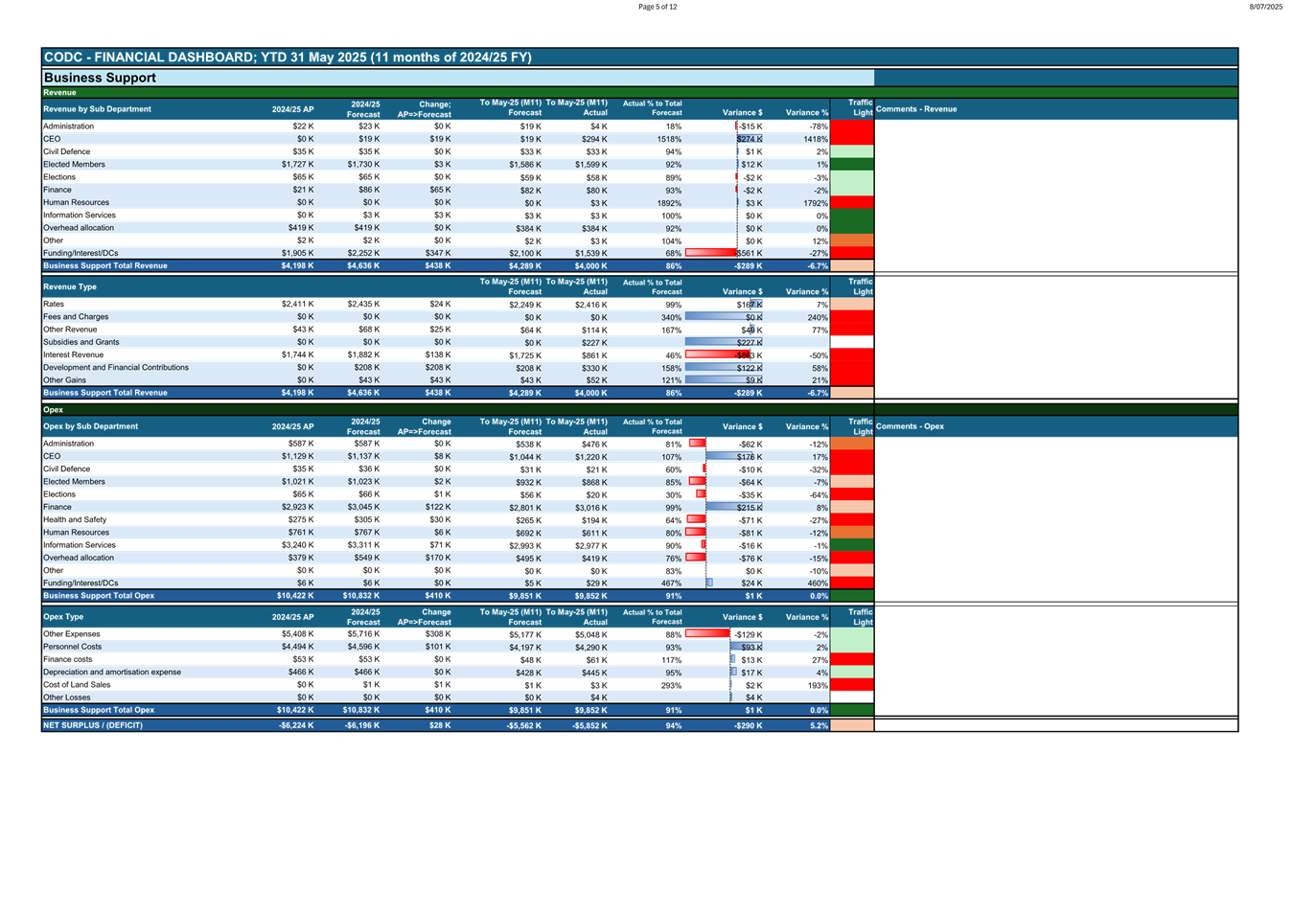
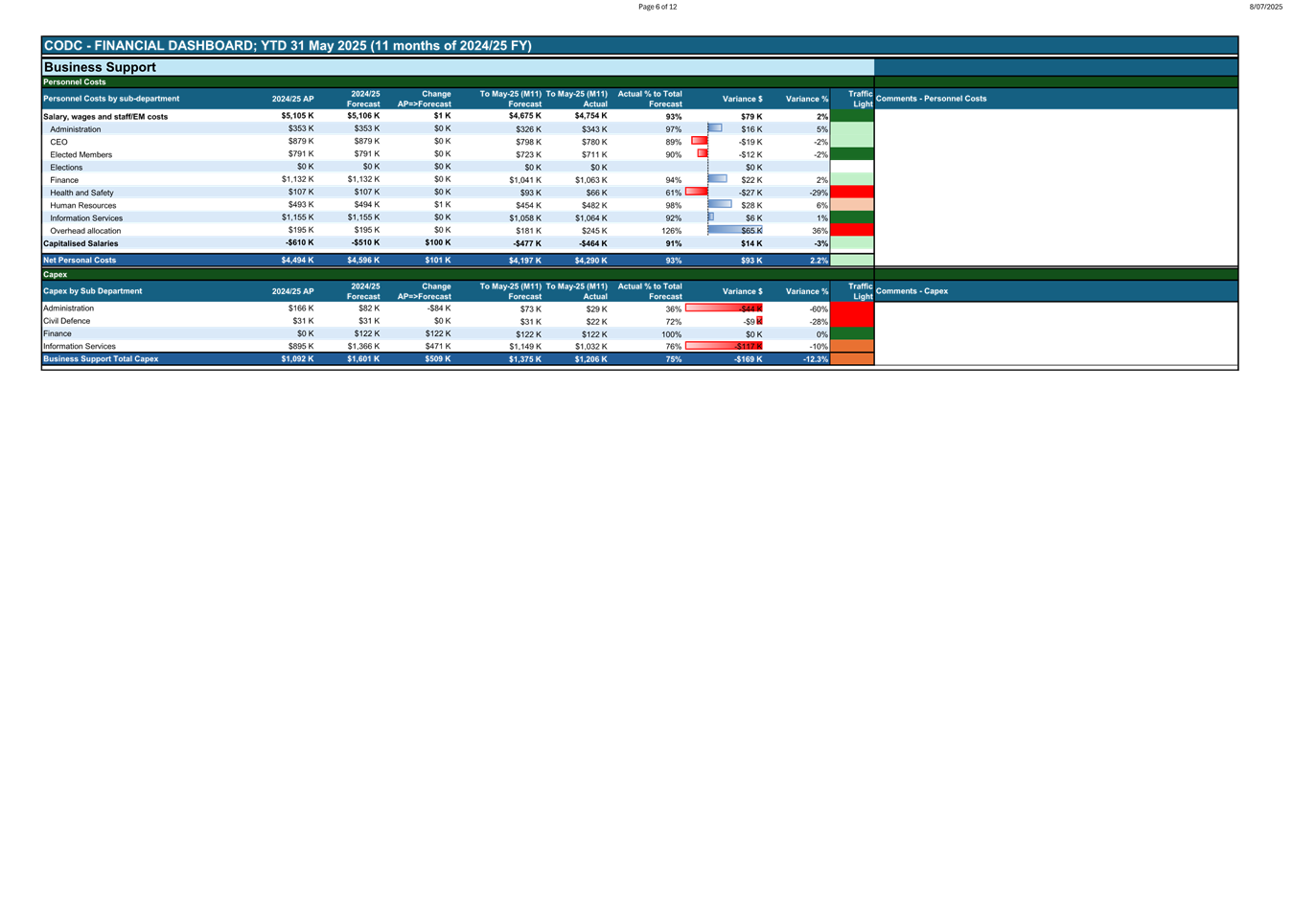
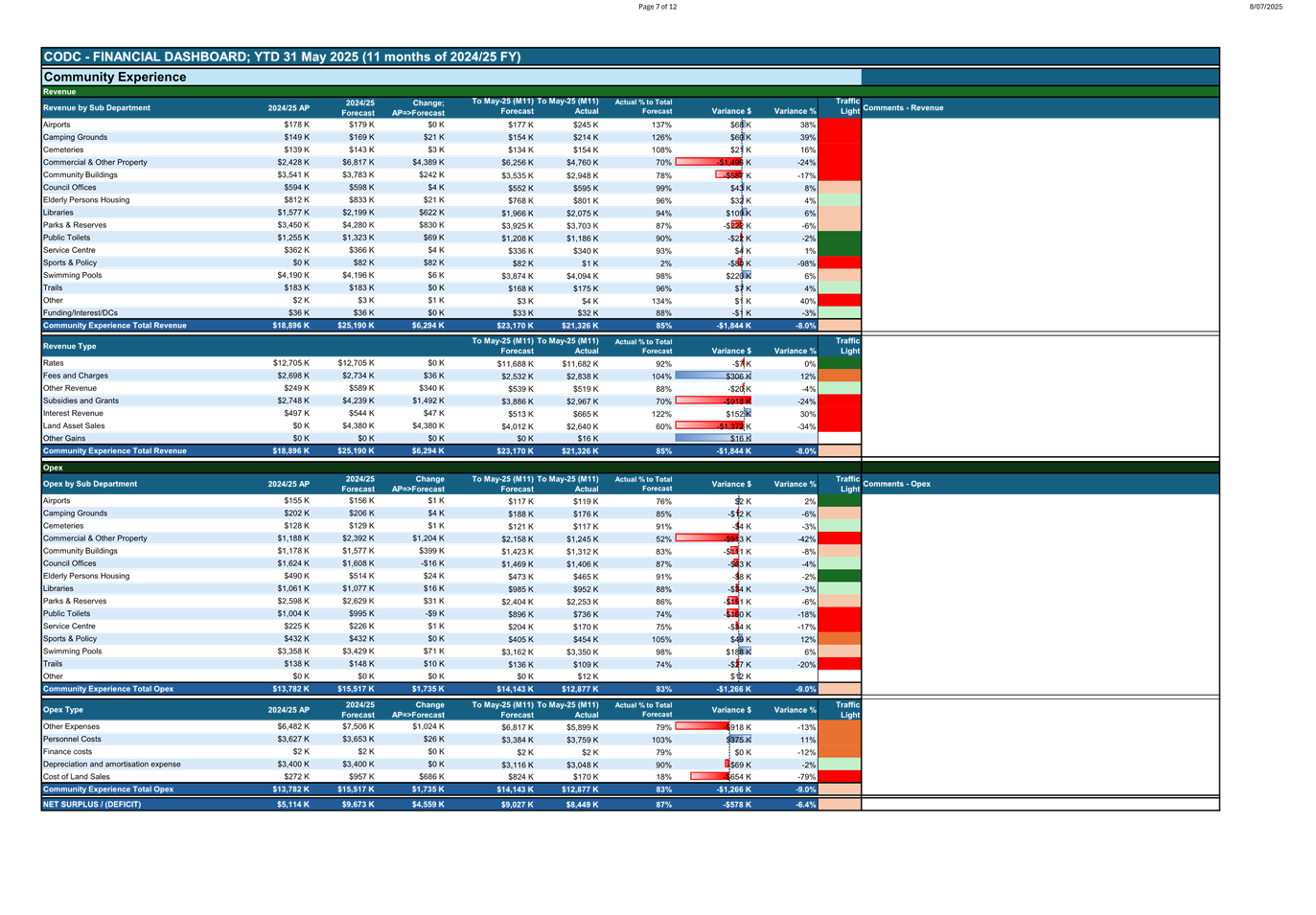
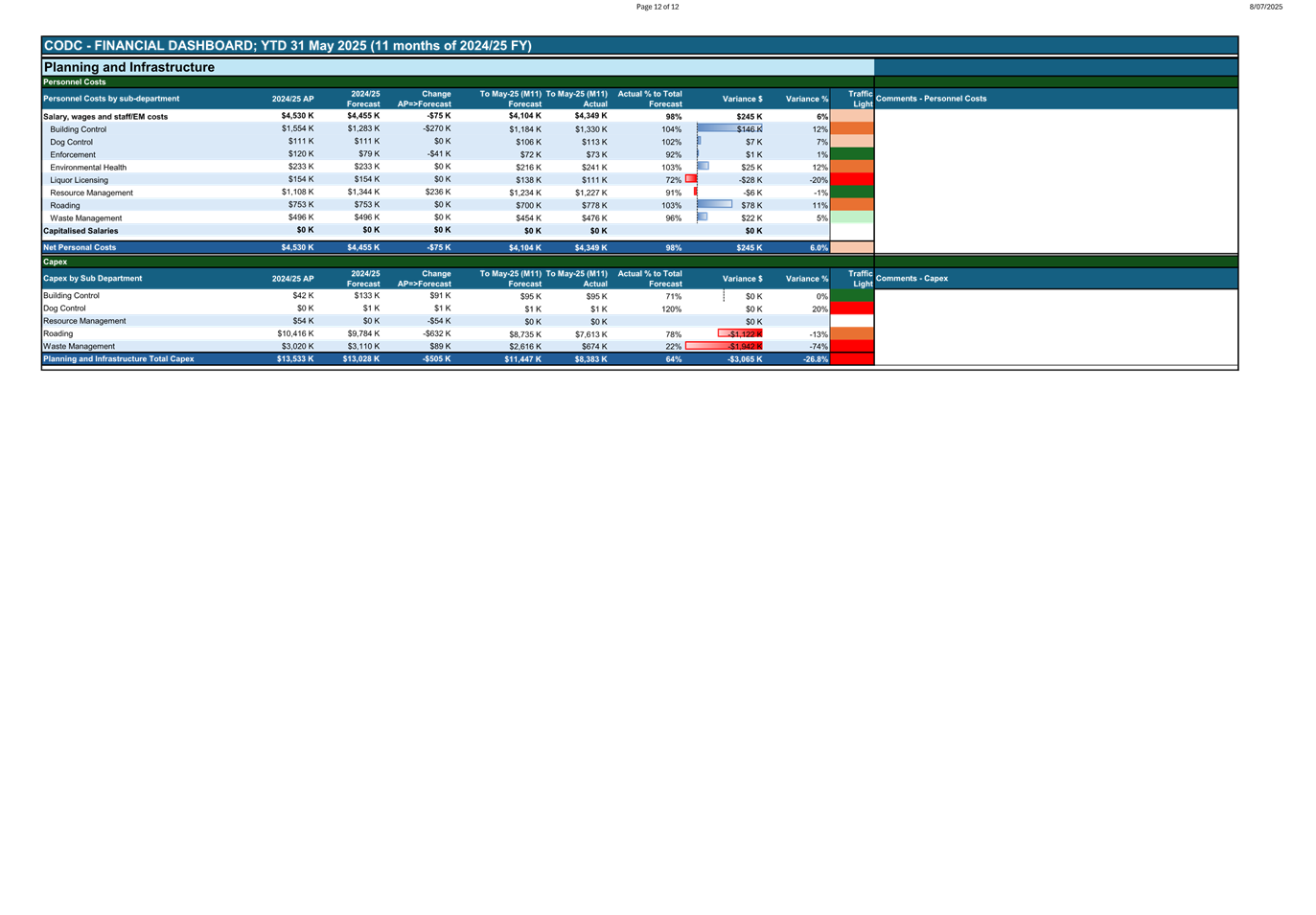
The entire dashboard has
been included for completeness, however the suggestion is that if councillors
determine that something similar would be useful then only the first 3 pages
would be presented ongoing as it represents the high-level governance space.
3. Attachments
Appendix 1 - May 2025 CODC
Dashboard Council.pdf ⇩
|
Council
meeting
|
30 July
2025
|
|
Council meeting Agenda
|
30
July 2025
|
25.15.8 Financial
Report for the Period Ending 31 May 2025
Doc ID: 2489460
|
Report Author:
|
Donna McKewen, Systems and
Corporate Accountant
|
|
Reviewed
and authorised by:
|
Saskia Righarts, Group Manager -
Governance and Business Services
|
1. Purpose
To consider the financial
performance for the period ending 31 May 2025
|
Recommendations
That the report be received.
|
2. Discussion
The
presentation of the financials includes two variance analysis reports against
both the financial statement and against the activities. This ensures Council
can sight the variances against the ledger, and against the activities at a
surplus/(deficit) value. The second variance analysis is to demonstrate the
overall relationship between the income and expenditure at an activity level.
The
third report details the expenditure of the capital works programme across
activities. This helps track key capital projects across the year and
ensures the progress of these projects remains transparent to Council.
The
fourth and fifth reports detail the internal and external loans balances.
The internal loans report forecasts the balance as at 30 June 2025, whereas the
external loans show the year-to-date current balances due to payments
throughout the year.
The
sixth report details the external debt balances. External debt is managed using
operating cashflows before being uplifted from the Local Government Funding
Agency.
This
report uses the below key to identify the favourable or unfavourable variances.
Abbreviation
key for report
F =
Favourable
U = Unfavourable
I. Statement of Financial Performance for the
period ending 31 May 2025
|
2024/25
|
11 MONTHS ENDING 31 MAY 2025
|
|
2024/25
|
|
|
|
YTD
|
YTD
|
YTD
|
|
|
|
Annual Plan
|
|
Actual
|
Revised Budget
|
Variance
|
|
Revised Budget
|
|
$000
|
|
$000
|
$000
|
$000
|
|
$000
|
|
|
Income
|
|
|
|
|
|
|
50,445
|
Rates
|
46,529
|
46,359
|
170
|
˜
|
50,469
|
|
12,141
|
Govt Grants
& Subsidies
|
10,058
|
12,439
|
(2,381)
|
˜
|
13,803
|
|
8,610
|
User Fees
& Other
|
9,742
|
9,091
|
651
|
˜
|
9,801
|
|
-
|
Land Sales
|
2,640
|
4,012
|
(1,372)
|
˜
|
4,380
|
|
2,451
|
Regulatory
Fees
|
2,467
|
2,460
|
7
|
˜
|
2,636
|
|
3,401
|
Development
Contributions
|
2,034
|
3,152
|
(1,118)
|
˜
|
3,547
|
|
1,501
|
Interest &
Dividends
|
1,946
|
2,378
|
(432)
|
˜
|
1,347
|
|
-
|
Reserves
Contributions
|
330
|
208
|
122
|
˜
|
208
|
|
-
|
Profit on Sale
of Assets
|
116
|
43
|
73
|
˜
|
43
|
|
-
|
Other Capital
Contributions
|
-
|
4
|
(4)
|
˜
|
5
|
|
78,549
|
Total Income
|
75,862
|
80,146
|
(4,284)
|
˜
|
86,239
|
|
|
|
|
|
|
|
|
|
|
Expenditure
|
|
|
|
|
|
|
14,847
|
Staff
|
14,589
|
13,731
|
(858)
|
˜
|
14,882
|
|
717
|
Members
Remuneration
|
649
|
688
|
39
|
˜
|
753
|
|
12,993
|
Contracts
|
12,490
|
12,832
|
342
|
˜
|
13,983
|
|
2,984
|
Professional
Fees
|
3,382
|
4,340
|
958
|
˜
|
5,067
|
|
20,507
|
Depreciation
|
18,413
|
18,798
|
385
|
˜
|
20,507
|
|
272
|
Costs of Sales
|
174
|
826
|
652
|
˜
|
958
|
|
4,438
|
Refuse &
Recycling Costs
|
4,653
|
4,261
|
(392)
|
˜
|
4,622
|
|
-
|
Cost
Allocations
|
(1)
|
-
|
1
|
˜
|
-
|
|
2,462
|
Repairs &
Maintenance
|
1,738
|
2,096
|
358
|
˜
|
2,579
|
|
1,932
|
Electricity
& Fuel
|
1,608
|
1,566
|
(42)
|
˜
|
1,710
|
|
-
|
Loss on Sale
of Asset
|
10
|
-
|
(10)
|
˜
|
-
|
|
739
|
Grants
|
711
|
706
|
(5)
|
˜
|
756
|
|
1,772
|
Technology
Costs
|
1,501
|
1,555
|
54
|
˜
|
1,728
|
|
337
|
Projects
|
759
|
645
|
(114)
|
˜
|
695
|
|
962
|
Rates Expense
|
804
|
980
|
176
|
˜
|
1,022
|
|
1,047
|
Insurance
|
821
|
807
|
(14)
|
˜
|
880
|
|
2,384
|
Interest
Expense
|
3,349
|
2,998
|
(351)
|
˜
|
2,027
|
|
2,227
|
Other Costs
|
1,654
|
2,019
|
365
|
˜
|
2,296
|
|
70,620
|
Total Expenses
|
67,304
|
68,848
|
1,544
|
˜
|
74,465
|
|
|
|
|
|
|
|
|
|
7,929
|
Operating Surplus /
(Deficit)
|
8,558
|
11,298
|
(2,740)
|
˜
|
11,774
|
This table has rounding
(+/- 1)
The
financials for May 2025 show an overall unfavourable variance of ($2.74M).
Income of $75.862M
against the year-to-date budget of $80.146M
Income has an unfavourable variance of ($4.284M). User fees
and other, rates, profit on sale of assets and reserves contributions are
higher than budget. Development contributions, government grants and subsidies,
land sale, and interest and dividend income are behind budget. Grants and
subsidies are behind budget due to the timing of the NZTA subsidies for
roading, funding to be received for the Cromwell Memorial Hall and Alexandra
River Park projects and budgeted funding for organic collection capital
projects (not confirmed). The revenue of land sale is lower than expected due
to sections remaining unsold at Cemetery Road. Development contributions rely
on the timing of development done by external developers. Interest is lower due
to utilising cashflows before uplifting external debt and lower market interest
rates on term deposits. The unfavourable variances discussed above will remain
at 30 June 2025.
Expenditure of $67.304M against the
year-to-date budget of $68.848M
Expenditure has a favourable variance of $1.544M. There are
unfavourable variances on staff, refuse and recycling costs, electricity and
fuel, projects, interest expense and insurance. This is offset by the
favourable variances in professional fees, costs of sales, contracts, repairs
and maintenance, and other costs. The unfavourable staff expense is contributed
by staff remuneration for three water management, building control and swimming
pools. Refuse and recycling costs are offset within the Environmental Services
activity by contract underspends. The unfavourable variance in projects is due
to Local Water Done Well costs (funding from DIA), transition of water asset
data to national standards project (funding from Better Off Funding) and Mayor
Taskforce for jobs (funding from LGNZ). Interest expense is higher than
expected while interest rates are falling. The benefit from lowering market
interest rates will not be realised until debt rolls over. External debt is
being uplifted with the development of the Cromwell Memorial Hall.
Other costs $294k F - A detailed
breakdown for other costs is tabled below
|
2024/25
|
|
YTD Actual
|
YTD Revised Budget
|
YTD Variance
|
|
2024/25
|
|
Annual Plan
|
Other Costs breakdown
|
|
Revised Budget
|
|
$000
|
|
$000
|
$000
|
$000
|
|
$000
|
|
634
|
Administrative
Costs
|
376
|
549
|
173
|
˜
|
626
|
|
798
|
Office
Expenses
|
683
|
751
|
68
|
˜
|
823
|
|
229
|
Operating
Expenses
|
116
|
211
|
95
|
˜
|
233
|
|
275
|
Advertising
|
191
|
240
|
49
|
˜
|
321
|
|
206
|
Valuation Services
|
212
|
189
|
(23)
|
˜
|
206
|
|
85
|
Retail
|
76
|
79
|
3
|
˜
|
85
|
|
2,227
|
Total Other Costs
|
1,654
|
2,019
|
365
|
|
2,294
|
This table has rounding (+/- 1)
· There
is no significant variance of note to report on at present.
II. Profit and Loss by Activity for the period ending 31 May
2025
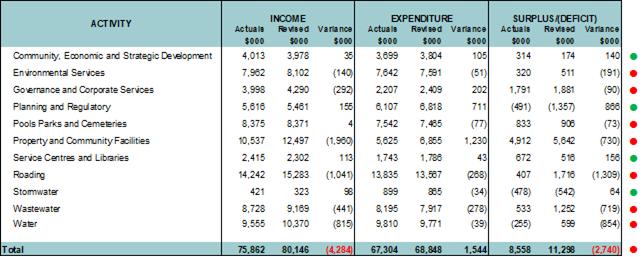
This table has rounding
(+/- 1)
· Community,
Economic and Strategic Development $140k F – Income has a favourable
variance of $35k. This is due to income received as contributions to the
Collaborative Marketing project. Expenditure has a favourable variance of
$105k. This is mainly due to timing of community grants being used, professional
fees and projects for tourism and regional identity.
· Environmental
Services ($191k) U – Income has an unfavourable variance of ($140k).
Driving this variance is budgeted grants and subsidies of ($600k). This relates
to organic collection projects. These projects have not started and the funding
will flow with the project. Without the grants and subsidies budget there would
be a favourable revenue variance of $400k from transfer station income of $320k
and waste levy of $122k. Expenditure has an unfavourable variance of ($51k).
Overall waste management is being managed within budget.
· Governance
and Corporate Services ($90k) U - Income has an unfavourable variance of
($292k). Lower than expected interest revenue of ($863k) is being offset by
financial reserves contribution of $121k, rates of $167k, and grants and
subsidies of $227k. Interest revenue will not meet the budget this financial
year as the Reserve Bank decreases the official cash rate. Grants and subsidies
received relates to Local Water Done Well funding received from the DIA.
Expenditure has a favourable variance of $202k. Driving this variance is
the internal overhead recoveries of $199k. Additional resources have been
required to support and deliver the Long-term plan, including the audit fees
and consultants, which has been allocated to all other departments.
· Planning
and Regulatory Services $886k F – Income has a favourable variance of
$155k. This is mainly due to building control $130k and environmental health
$33k. Building control LIM fees are higher than expected by $43k and building
permit fees of $12k. Profit from the sale of vehicles are contributing $48k.
Expenditure has a favourable variance of $711k. This is mainly contributed by
resource management cost of $757k, building ($65k), environmental health $34k.
The resource management favourable variance relates to the District Plan
budget. This will be carried forward and utilised as required.
· Pools,
Parks and Cemeteries ($73k) U – Income has a favourable variance of
$4k. This is mainly due to the income from pools and swim school of $205k,
internal interest revenue of $73k, and other revenue of $32k. Those variances
are offset by the lower-than-budgeted grants and subsidies of ($368k) for
Alexandra Riverside park. Expenditure has an unfavourable variance of ($77k).
This is being driven by: swimming pools of ($198k), parks and reserves $98k and
trails $23k. The overspend in swimming pools is due to increased staff costs
and electricity, which is offset by an increase in pools and swim school
income.
· Property
and Community Facilities ($730k) U – Income has an unfavourable
variance of ($1.96M). Driving this variance is land sales of ($1.3M) and
subsidies and grants of ($652k). The land sales relate to the remaining
sections for sale at Cemetery Road, with the subsidises and grants relating to
the Cromwell Memorial Hall project. Expenditure has a favourable variance of
$1.23M. This made up of variances for cost of land sales of $654k, professional
fees $222k, contract work $126k, repair and maintenances cost $46k, cleaning of
$55k, water charge $24k, and operating expense of $33k. Cost of land sales are
linked with land sales and will be realised when the land is sold. Until then
costs for the development of council land is held as property intended for sale
(Inventory). Professional fees relate predominately to the Cromwell Town centre
of $117k and Cromwell Memorial Hall of $83k for the projects being carried out.
· Service
Centres and Libraries $156k F – Income has a favourable variance of
$113k. $101k of this variance relates to the Better of Funding received for the
Alexandra library refurbishment and the budget phasing. The remaining variance
is brought by other sales, income, rates and fines for libraries. Expenditure
has a favourable variance of $43k. Contributed to this is operating expenses of
$48k, other employee costs of $18k and fuel and energy of $9k. This is offset
by depreciation of ($17k).
· Roading
($1.3M) U – Income has an unfavourable variance of ($1.04M). This is
mainly due to the timing of the roading capital works programme and the NZTA
subsidy of ($1.07M) and lower-than-expected development contributions of
($143k). Expenditure has an unfavourable variance of ($268k). Contributing to
this is depreciation of ($338k), which is being offset by the timing of the
roading maintenance contract which is favourable against the year-to-date
budgets.
· Stormwater
$64k F – Income has a favourable variance of $98k. This is due to
interest revenue being earnt on surplus reserves. Expenditure has an
unfavourable variance of ($34k). This is due to overhead costs ($9k) and
physical works contract of ($25k).
· Wastewater
($719k) U – Income has an unfavourable variance of ($441k). This is
mainly due to development contributions of ($427k). These are difficult to
gauge as they are reliant on developers. Expenditure has an unfavourable
variance of ($278k). This is being driven by interest expense ($262k),
professional fees ($47k), overhead cost of ($97k), fuel and energy ($10k) and
operating expense of $26k.
· Water
($854k) U – Income has an unfavourable variance of ($815k). This is
being driven by development contributions of ($546k) and other revenue of
($158k) and volumetric water sales of ($120k). Development contributions are
difficult to gauge as they are reliant on developers. Volumetric water charges
are still being read for the year, with the final reads taking place in June.
Expenditure has an unfavourable variance of ($39k). This is due to staff costs
of ($351k), contract cost ($365k), and professional fees ($62k), which is
offset by depreciation of $478k, and operation cost $208k.
III. Capital Expenditure
Year-to-date
against the revised budget 67% of the total capital spend against the full
year’s revised capital budget has been expensed. This level of capital
project completion is a cause for concern and impacts budgeting, funding and
borrowing requirements in the current year. This has potential to effect
completion rates in future years creating a bow wave that becomes more
difficult to address.
|
2024/25
|
|
|
|
|
|
2024/25
|
Progress to date against revised budget
|
|
Annual Plan
|
CAPITAL EXPENDITURE
|
YTD Actual
|
YTD Revised Budget
|
YTD Variance
|
|
Revised Budget
|
|
$000
|
|
$000
|
$000
|
$000
|
|
$000
|
|
3,020
|
Environmental
Services
|
674
|
2,616
|
1,942
|
˜
|
3,110
|
22%
|
|
1,092
|
Governance and
Corporate Services
|
1,206
|
1,375
|
169
|
˜
|
1,601
|
75%
|
|
96
|
Planning and
Regulatory
|
96
|
96
|
-
|
˜
|
134
|
72%
|
|
2,399
|
Pools Parks and
Cemeteries
|
2,550
|
3,409
|
858
|
˜
|
3,872
|
66%
|
|
25,741
|
Property and
Community Facilities
|
23,584
|
23,740
|
156
|
˜
|
26,264
|
90%
|
|
179
|
Service Centres and
Libraries
|
1,015
|
1,063
|
48
|
˜
|
1,103
|
92%
|
|
10,416
|
Roading
|
7,613
|
8,735
|
1,122
|
˜
|
9,784
|
78%
|
|
320
|
Stormwater
|
67
|
270
|
203
|
˜
|
320
|
21%
|
|
11,520
|
Wastewater
|
1,905
|
4,434
|
2,529
|
˜
|
5,088
|
37%
|
|
14,669
|
Water
|
6,879
|
14,626
|
7,747
|
˜
|
16,694
|
41%
|
|
|
|
|
|
|
|
|
|
|
69,454
|
Grand Total
|
45,588
|
60,363
|
14,775
|
|
67,970
|
67%
|
This table has rounding
(+/- 1)
· Environmental
Services $1.942M F – The primary focus is securing additional funding
and conducting detailed planning work, which are still in progress. Planning and design work is
being conducted to ensure efficient and effective waste management solutions
are implemented. Work has been carried out on Ranfurly bins supply, tree
removal, bin supply and distribution, and St Bathan's Closed Landfill Remediation,
etc.
· Governance
and Corporate Services $169k F – This activity includes
vehicle fleet pool replacements and Information Services. The vehicle
replacement programme has been completed. IS are slightly behind budget by
$134k. This includes user ICT programme $71k, information management programme
$17k, Enterprise information systems programme $28k and business continuity and
emergency management programme $8k.
· Planning
and Regulatory (Nil) – Vehicle replacements for building control and
resource management have been completed for the financial year.
· Pools,
Parks and Cemeteries $858k F – This is driven by a mixture of the
timing of project budgets, work programme and contractors’ availability
to perform the work. The variance is mainly related to: Cromwell pool $56k,
Alexandra pool $61k, Ranfurly pool $74k, Clyde reserves $48k, Anderson Park
$134k, Pioneer Park ($37k), Omakau Recreation Reserve $29k, Oturehua Domain
$41k, Naseby cemetery ($15k), Alexandra cemetery $37k, and Alexandra Town
Centre (Alexandra River Park) $326k. The upgrade of the “The Rec”
at Pioneer park has been completed ahead of budget. Work carried out at the
Naseby Cemetery was higher than expected due to log prices being lower than
expected.
· Property and Community Facilities
$156k F – This is driven by a mixture of the timing of project
budgets, work programme and contractors’ availability to perform the
work. This variance is mainly related to: Alexandra airport $26k, elderly
person housing $224k, Cromwell Memorial Hall ($428k), William Fraser Building
$73k, Clyde hall $42k, Maniototo Park Stadium $31k, Administration building
Roxburgh and Tarbert street building $31k.
· Service
Centres and Libraries $48k F – Library book renewals are behind the
budget. The Alexandra library building upgrade project was completed in
December.
· Roading
$1.122M F – The roading capital works programme can be different from
the budget due to the seasonal renewal programme. Projects include structures
renewals ($114k), sealed road renewals $149k, footpath renewals $143k, minor
improvements $816k, drainage renewals ($91k), unsubsidised community
roading $420k, gravel road renewals ($342k), traffic services renewals ($51k),
and carpark renewals $192k. Minor improvements include: the Clyde Heritage
Precinct stage 3 and the Little Valley Bridge project will be carried forward
to 2025/26. Structures renewals include $388k of emergency works for the
October 2024 flooding event and vehicle damage is putting this budget under
pressure. Drainage renewals variance relates to budget timing and the February
2025 Teviot Valley flood event and responding to a slip on Moa Flat Road.
· Stormwater
$203k F – The stormwater network renewals programme related to pipe
renewal, which are currently being assessed and further is investigation being
carried out before any renewals taking place.
· Wastewater
$2.529M F – This is driven by a mixture of the timing of project
budgets, work programme and contractors’ availability to perform the
work. The variance is mainly related to plant renewals $747k, district
treatment $342k, plans and consents ($227k), Ranfurly treatment $288k, Naseby
treatment $264k, Alexandra and Clyde treatment $343k, district network renewals
$277k, point renewal $159k, and pipe renewal $134k.
· Water
$7.747M F – This is driven by a mixture of timing of project budgets,
work programme and contractors’ availability to perform the work. The
variance is mainly related to: Cromwell Treatment Plant $2.1M, point renewals
$1.2M, plant renewals $569k, district network $937k, Roxburgh Treatment $234k,
Omakau Ophir treatment $109k and Cromwell rising main $399k. The Cromwell
Rising Main project was completed in October 2024.
IV. Internal Loans
Forecast
closing balance for 30 June 2025 is $4.09M.
|
Lender
|
Owed By
|
Original Loan
|
1-Jul-24
|
30-Jun-25
|
|
Opening Balance
|
Closing Balance
|
|
Cromwell General Reserve
|
Public Toilets
|
670,000
|
418,752
|
392,568
|
|
District General Reserve
|
Tarbert St Bldg
|
25,868
|
8,400
|
6,713
|
|
District General Reserve
|
Alex Town Centre
|
94,420
|
33,464
|
27,577
|
|
Vincent General Reserve
|
Alex Town Centre
|
186,398
|
56,284
|
43,728
|
|
Cromwell General Reserve
|
Alex Town Centre
|
290,600
|
105,202
|
87,176
|
|
Maniototo General Reserve
|
Centennial Milkbar
|
47,821
|
11,621
|
8,130
|
|
Maniototo General Reserve
|
Pioneer Store Naseby
|
21,589
|
6,760
|
5,246
|
|
Cromwell General Reserve
|
Water
|
867,000
|
634,634
|
604,581
|
|
District General Reserve
|
ANZ Bank Seismic Strengthening
|
180,000
|
131,758
|
125,519
|
|
Vincent General Reserve
|
Molyneux Pool
|
650,000
|
498,650
|
466,150
|
|
Maniototo General Reserve
|
Maniototo Hospital
|
1,873,000
|
1,615,133
|
1,558,020
|
|
District General Reserve
|
Alexandra Airport
|
218,000
|
180,720
|
171,958
|
|
Teviot Valley General Reserve
|
Roxburgh Community Pool Upgrade
|
250,000
|
232,446
|
223,172
|
|
Vincent General Reserve
|
Molyneux Pool - Iceinline Roof Upgrade
|
400,000
|
386,215
|
371,913
|
|
Total
|
|
5,774,695
|
4,320,038
|
4,092,451
|
This table has rounding
(+/- 1)
V. External Loans
The total amount of external loans at the beginning of the
2024/25 financial year was $4k. As at 31 May 2025, all external loans had been
paid, and the balance is nil.
|
Owed By
|
Original Loan
|
1 July 2024
Actual
Opening Balance
|
Principal
|
Interest
|
31 May 2025
Actual
Closing Balance
|
|
Oturehua Water
|
46,471
|
4,389
|
4,389
|
103
|
-
|
|
|
46,471
|
4,389
|
4,389
|
103
|
-
|
This table has rounding
(+/- 1)
VI. External Debt
The total of external
debt is $50M with a planned external debt of $88.5M at the end of this
financial year. It was estimated after the first forecast that external debt
for the end of this financial year will lower to $85.1M. External debt is
managed using operating cashflows to reduce the impact from interest rates.
Debt is currently being uplifted in the three waters area.
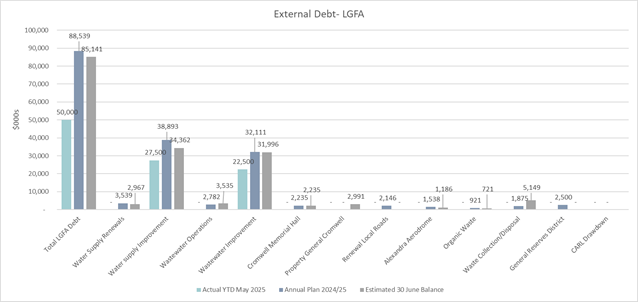
Reserve Funds table
· As at 30 June 2024 the
Council had an audited closing reserve funds balance of $12.15M. This reflects the
whole district’s reserves and factors in the district-wide reserves which
are in deficit at ($24.09M). Refer to Appendix 1. This has been updated for
forecast and carry-forwards and is forecasted to end this financial year, 30
June 2025 with a surplus of $15.77M.
NB:
the reserves totals are recognised at a high level.
3. Attachments
Appendix 1 - 2024-25 CODC Reserve
Funds ⇩
|
Council
meeting
|
30 July
2025
|
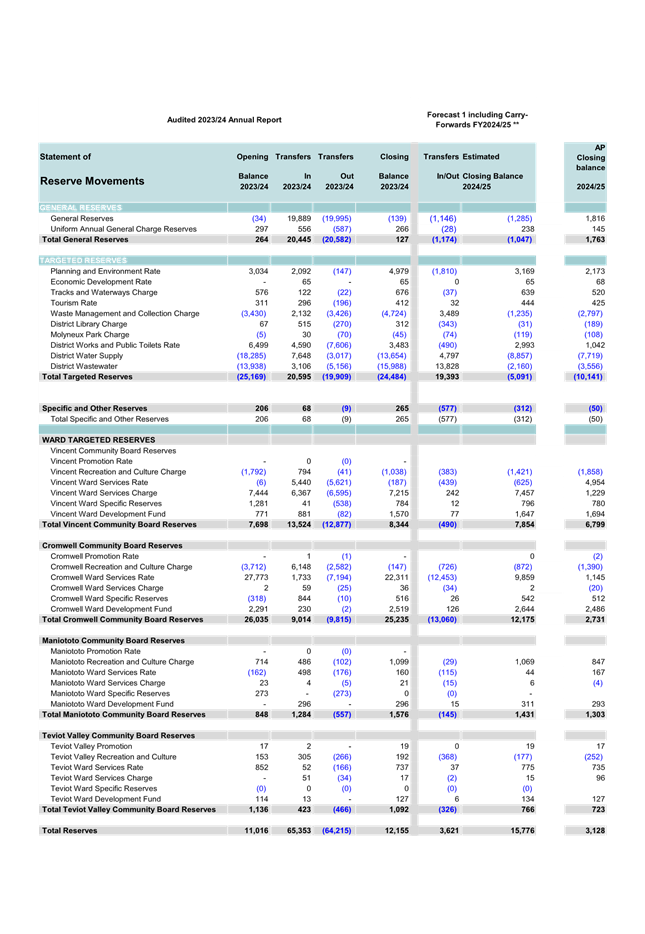
|
30 July 2025
|

|
25.15.9 Letter of support
for Ratepayer Assistance Scheme
Doc ID: 2518751
|
Report Author:
|
Nick Lanham, Economic Development
Manager
|
|
Reviewed
and authorised by:
|
Louise Fleck, Group Manager -
People and Culture, Acting Group Manager - Community Vision
|
1. Purpose
of Report
To consider the request
from Rewiring Aotearoa for an in-principle letter of support for the Ratepayer
Assistance Scheme (RAS).
|
Recommendations
That the Council
A. Receives
the report and accepts the level of significance.
B. Approves the
letter of support.
C. Notes the
possibility of a future discussion regarding investment into RAS.
|
2. Background
New
Zealand is facing a range of challenges including the cost of living crisis,
changing demographics (in particular the growing cohort of elderly New
Zealanders on fixed incomes), the infrastructure deficit, the quality and
health of homes, the housing deficit, climate change impacts, energy and fuel
security, resilience and decarbonisation of the economy.
Local
Authorities (LAs) have a critical role to play in addressing these challenges:
· as
organisations delivering critical services and infrastructure; and
· by
supporting ratepayers themselves to directly address the challenges that affect
them; and
· providing
flexibility in the way ratepayers choose to pay LA charges to meet LAs' funding
requirements.
In this
regard, a group of metro councils (Auckland Council, Hamilton City Council,
Tauranga City Council, Wellington City Council, Christchurch City Council),
Local Government New Zealand (LGNZ), Local Government Funding Agency (LGFA) and
Rewiring Aotearoa formed a steering group to develop the Ratepayer Assistance
Scheme (RAS).
The RAS
is a proposed initiative to provide low-cost financing to ratepayers for
approved purposes, including through:
· existing
local government policies that involve the LA effectively lending money to
ratepayers (such as rates postponement);
· new,
flexible funding products (such as deferred development levies); and
· loans
for property improvements which provide public and private benefits.
The
steering group and specialist consultants have undertaken significant work to
get the RAS to the final development stage. While there are complex issues to
address no insurmountable red flags have been raised. Among other things, the
RAS will require establishment equity capital estimated at $30 million from LAs
and central government, and enabling legislation.
The
Minister of Local Government has confirmed support for the RAS and has asked
officials to initiate work in August and recommended that further development
work on the RAS be undertaken before then to ensure officials can move quickly
at that stage.
Rewiring Aotearoa has
requested a letter of support for the RAS from Council (see appendix 1). Rewiring
Aotearoa is an independent non-partisan non-profit organisation working on
energy, climate, and electrification research, advocacy, and supporting
communities through the energy transition.
3. Discussion
THE RATEPAYER
ASSISTANCE SCHEME (RAS)
The
RAS would be a national shared service available to all LAs.
The
RAS would be structured much like the LGFA to get the benefits of scale. It
would:
· be
a new entity, owned by LAs and central government (a council-controlled
organisation (CCO));
· have
the power to impose a 'rate-like' / levy charge ranking ahead of mortgages to
ensure it gets repaid (enabling it to achieve a very high 'government' credit
risk weighting - broadly in line with the LGFA);
· raise
low-cost, long-term financing from the debt capital markets (through an
out sourcing arrangement with LGFA) and pass this on to ratepayers at
interest rates expected to be 1 - 1.5 per cent below standard mortgage rates;
· be
off-balance sheet for LAs;
· undertake
all the operational requirements associated with the ratepayer loans through an
"IT heavy" platform (to minimise costs and benefit from economies of
scale); and
· be
an operational organisation only with no discretion in what it could lend money
for, which would be dictated by LAs and central government.
The use
of the RAS would be optional for qualifying ratepayers.
The
operations and processes of the RAS would be structured so that there is a
seamless interface with LAs.
The RAS
levy would be reflected as a charge on the property title (as per a mortgage).
Any charge on the title would be dealt with during the conveyancing process
when a property is sold.
Uses of the RAS
The RAS
would be a flexible omnibus platform and multiple applications are possible
(essentially any loan to property owners that LAs / central government decide
to make).
To date
the focus has been on three applications:
· rates
postponement (RP)
· deferred
development contributions / development levies (DCs / DLs)
· property
improvement loans (PILs)
In
principle, the RAS could also be applied to other property related taxes
including Infrastructure Funding and Financing (IFF) levies and the recently
announced Development Levy System, if appropriately structured.
Rates Postponement (RP)
RP
provides flexibility regarding the timing of payments for LA charges and could
be a valuable tool for LAs and option for ratepayers, given:
· there
is a major demographic change underway in New Zealand (increasing elderly
population with fixed incomes);
· New
Zealanders are facing cost-of-living challenges;
· LA
rates are increasingly significant, 5 to 10 per cent per annum increases are
not unusual; and
· other
charges (e.g. water levies, IFF levies and infrastructure / development levies)
are likely to increase over time.
The RAS
would make the equivalent payment to LAs upfront on behalf of the ratepayer and
get repaid from the proceeds on sale of the property.
RP
operates like a reverse mortgage but at significantly lower cost (negligible
fees and interest rates ~4-5% lower). There are two reverse mortgage providers
in the New Zealand market, Heartland Bank and Southland Building Society (SBS).
Heartland Bank, the largest provider, had a reverse mortgage book of ~$1.1
billion in 2024 having grown ~22 per cent per annum since 2022.
The
Productivity Commission has recommended a national RP scheme and Grey Power
supports the establishment of the RAS.
British
Columbia (population 5.5 million) in Canada has had a successful Property Tax
Deferral Scheme for many years - with 83,000+ users, $2.7 billion in loans in
2024 (it has quadrupled in size from C$670 million in 2016 and now includes
~3.9%of British Columbia households).
Central
Otago District Council has a Postponement of Rates Policy (in accordance with
the Local Government (Rating) Act 2002) which requires assessment of
eligibility based on extreme financial circumstances, is administered by
council and had zero uptake in the last financial year.
At this
stage we do not know whether residents will be able to use RP for a water
CCO. This will need to be addressed as part of any legislation
establishing a RAS.
Deferred Development Contributions / Development Levies
Nationally,
there has been significant inquiry to LAs regarding alternative funding
mechanisms to upfront DCs / DLs.
The RAS
could provide an alternative to upfront DCs / DLs by making the one-off payment
required to LAs and converting it into a rate-like charge against the property.
The targeted rate would be paid by the future property owner(s) to the RAS via
an annual charge over say 30 years or alternatively fully repaid on sale of the
property by the seller at the discretion of the buyer.
DCs in
New Zealand are forecast to total ~ $700 million per annum in 2026 based on
LTPs (and it is expected that a large proportion of developers would take
advantage of a DC offering).
The
proposed Development Levy System (DLS) is expected to expand the scope of new
development levies to enable LAs to more fully recover development growth costs
and raise more revenue to fund growth infrastructure. The affordability of
these increased charges and risk to the very developments that the charges are
intended to support are critical considerations, further supporting the
proposed deferred DC / DL offering.
It is
anticipated that the currently proposed legislation (establishing Development
Levies (DL)) would be able to take advantage of the RAS.
Property Improvement Loans
Current
legislation facilitates LAs providing financing to ratepayers that can be
repaid via voluntary targeted rates.
In
principle, PlLs could be utilised to support a wide range of policy goals
including:
· improving
housing quality - e.g. insulation, heat pumps, double glazing
· developing
infrastructure that mitigates the impacts of climate change - e.g. community
seawalls, flood protection
· supporting
de-carbonisation efforts and the electrification of New Zealand - e.g. solar
panels, EV chargers, home batteries
· enhancing
the health and safety of homes - seismic strengthening, chimney removal, septic
tanks replacement, water storage tanks and waterway fencing.
The
Minister of Local Government / Minister for Energy is particularly interested
in the potential for the RAS to support the uptake of renewable, lower cost
energy through PILs and in this regard, has directed the steering group to
engage with Rewiring Aoteaora and the Energy Efficiency and Conversation
Authority. As such, work is underway to enable PILs to be available for
electrification loans (especially solar and batteries).
Commercial analysis
To
provide insight, Cameron Partners has developed an operating model, detailed
business case and built a comprehensive financial model analysing multiple
scenarios based on objective data and input from steering group members (in
particular LGFA), the British Columbia Property Tax Deferment Scheme team, and
IT service providers.
The
basic economics of the RAS are that it will generate a net interest margin of
~1% (i.e. it will make loans to ratepayers at ~1% above what it borrows at).
Ultimately its net interest will need to cover its operating costs to break even
(e.g. if operating costs are $7 million per annum the RAS will require a loan
book of $700 million to break even).
Based
on the analysis reviewed, it is expected that the RAS will be able to generate
a surplus and provide a strong return to its shareholders. The Base Case RP and
Deferred DC scenario indicates breakeven in year 4, initial equity fully paid
back after eight years, and an annual dividend yield on initial investment of
over 100% by year 15.
Once
breakeven is achieved, surplus capital could be distributed back to
shareholders or to reduce the interest rate charged to ratepayers even further.
Funding
from both central government and LAs will be required to capitalise the RAS at
establishment.
It has
been assumed that ~$30 million will be required from founding shareholders to
capitalise the RAS. The proposed $30 million includes $2.5 million already
secured for the final development.
Funding
already provided by the steering group including the $2.5m for final
development would count as establishment capital.
The
steering group (as sponsors and original funders) will be able to set the terms
of any establishment capital to compensate those LAs providing early funding
for the development risk being taken and to mitigate the "free rider"
risk of other LAs delaying their commitment.
The
establishment capital will be provided by all shareholders at establishment.
There is a constraint on the investment of any single investor at 20% of total
capital to avoid the risk that the RAS will be on-balance sheet for that shareholder.
As with
LGFA, there is merit in getting the widest shareholding spread possible to
support uptake. Notwithstanding, the number of shareholders could be limited given
the high potential returns and the investment/risk capital already put in by the
steering group warranting a preferential position.
LAs
will also provide limited joint and several guarantees in proportion to their
ratepayers' use of the RAS (based on the limited joint and several guarantee
that LAs provide to the LGFA).
Legislation
will be required to enable the RAS to have the powers to impose a
"rate-like" levy and navigate Credit Contracts and Consumer Finance
Act 2003 (CCCFA) issues.
Russell
McVeagh has advised that there are strong precedents for the required
legislation provided by the LGFA and IFF respectively and consequently this
won't involve "breaking new ground".
PWC
notes that none of the accounting and tax issues identified as needing to be
addressed are considered insurmountable and would be resolved through an
iterative process in final design / development.
A
decision will be made in December 2025 about whether to establish an entity and
progress the RAS. With appropriate support from local and central
government it is estimated that the RAS could be established in approximately
12 – 18 months.
4. Financial
Considerations
There are no cost implications of providing an
in-principle letter of support.
If the RAS is successful in making it through the final
stage and being established;
The RAS will be off-balance sheet and off-credit so
there will be no balance sheet implications for Council from its ratepayers
using RAS products.
Council would no longer require "in-house"
capacity and capabilities to administer RP and any other RAS products such as
PILs.
Council
would not be required to invest in RAS for it’s ratepayers to access its
products.
An opportunity may present for Council to consider
investing in the establishment of the RAS. No funding has been budgeted for
this possibility.
5. Options
Option 1 –
(Recommended)
Provide an in-principle
letter of support for the RAS.
Advantages:
· Demonstrates
Council’s support for ratepayers to have greater and more affordable payment
options for LA charges and property improvements.
· Increases
the likelihood of Central Government making legislation change required for
RAS.
Disadvantages:
· Potential
reputational risk if the scheme establishes and does not perform as intended or
with unintended consequences.
Option 2
Do not provide an
in-principle letter of support for the RAS.
Advantages:
· It
would be prudent to not write a letter of support if there were operational or
regulatory concerns, however this is not the case.
Disadvantages:
· Does
not demonstrate Council’s support for providing ratepayers with greater
and more affordable payment options for LA charges and property improvements.
· Decreases
the likelihood of legislation change from Central Government for RAS.
· Reputational
risk from not supporting a local government sector initiative.
6. Compliance
|
Local Government Act 2002 Purpose Provisions
|
This decision promotes the social, cultural, economic, environmental
wellbeing of communities, in the present and for the future by supporting a
greater range and more affordable finance option for ratepayers.
|
|
Decision consistent with other Council plans and policies? Such as
the District Plan, Economic Development Strategy etc.
|
Yes.
|
|
Considerations as to sustainability, the environment and climate
change impacts
|
PlLs
would be approved for purposes that have both private and public benefits and
could include climate change related policy initiatives (e.g. solar panels,
home EV chargers, home insulation and window double glazing) and initiatives
to mitigate the impacts of climate change (e.g. retaining walls and other
required infrastructure).
|
|
Risks Analysis
|
Minimal risk as this report is only requesting an in-principle
letter of support.
|
|
Significance, Consultation and Engagement (internal and external)
|
No
public consultation is anticipated in relation to this letter of support or
the scheme itself as the RAS is a completely opt in process for each
individual ratepayer. Council may wish to raise awareness of the RAS
with ratepayers should it be established.
A
consultation process maybe required in the future if Council were to consider
invest in a future CCO.
|
7. Next
Steps
A letter of support for
the RAS will be provided to Rewiring Aotearoa.
The RAS
will commence its final stage of development and engage with officials to
support their policy work. Completion of the final development work is expected
in December to enable a stop go implementation decision by the steering
committee and central government.
An
update on the stop go decision will be provided to Council.
8. Attachments
Appendix 1 - Draft Letter of
Support ⇩
Appendix 2 - Rewiring Aotearoa -
RAS explainer ⇩
Appendix 3 - RAS Opportunity
presentation slides ⇩
|
Council
meeting
|
30 July
2025
|
|
Council
meeting
|
30 July
2025
|
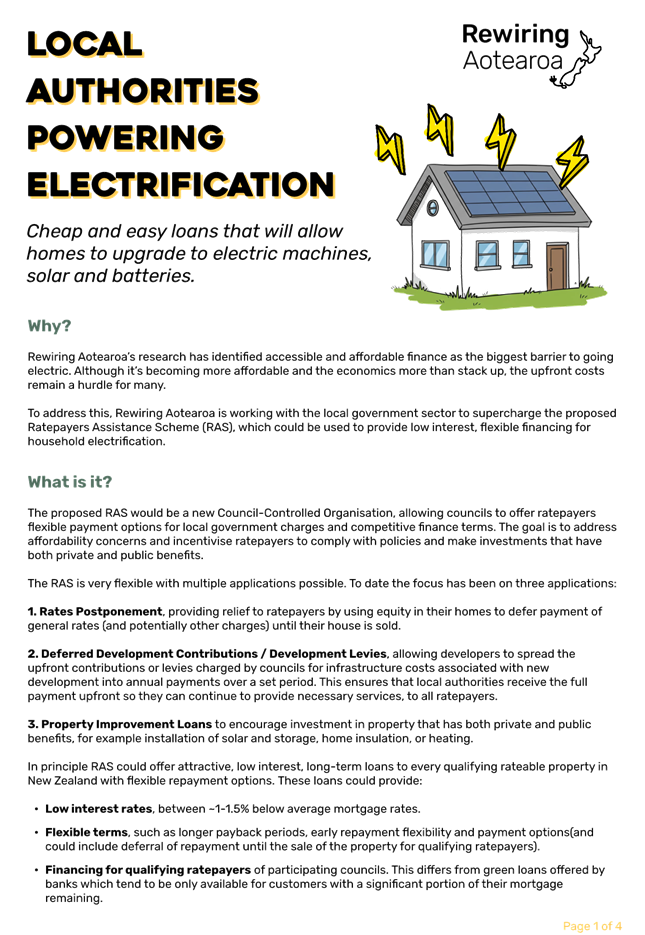
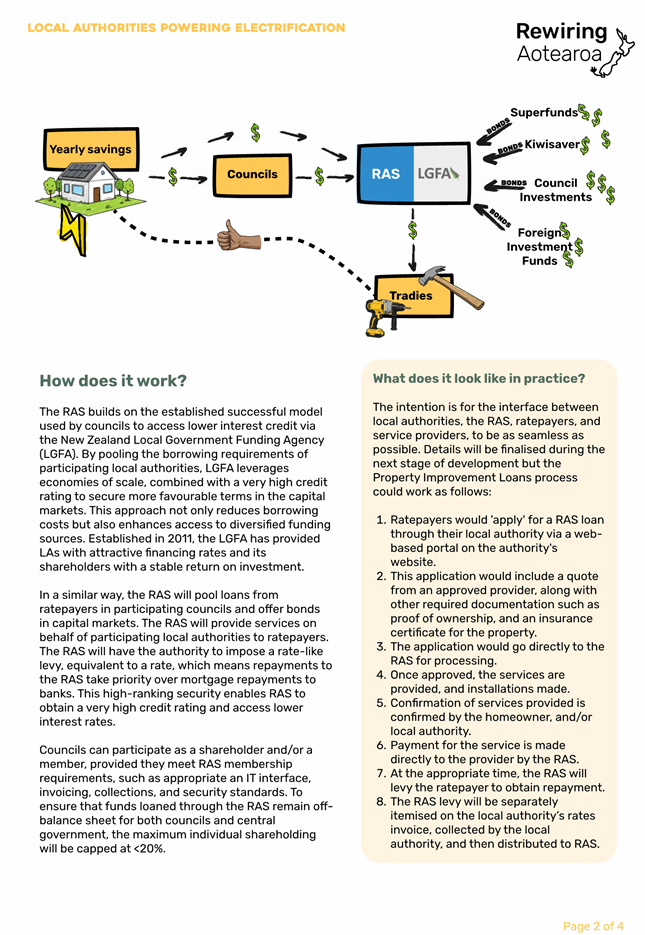
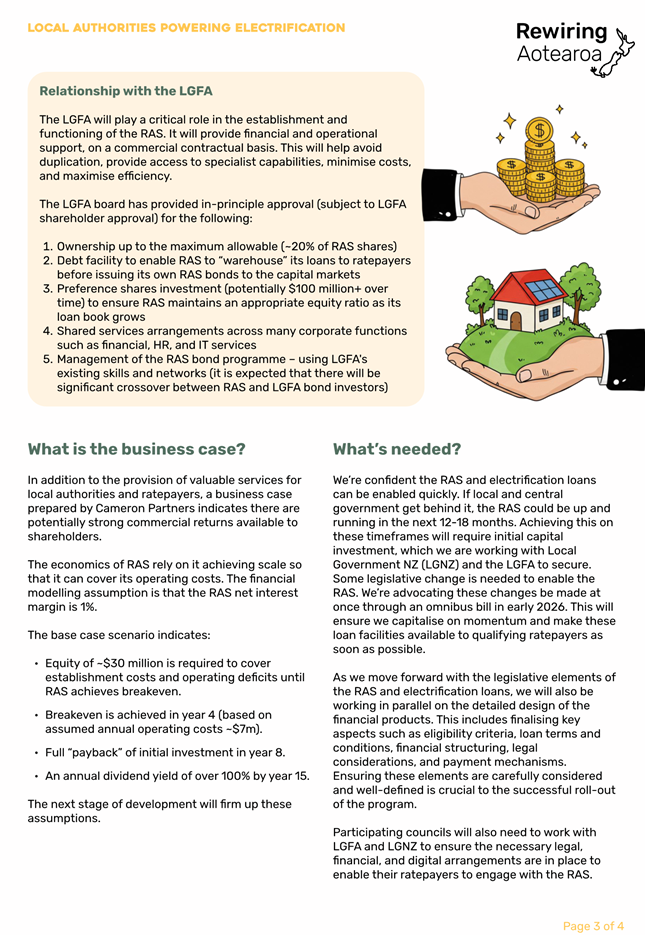
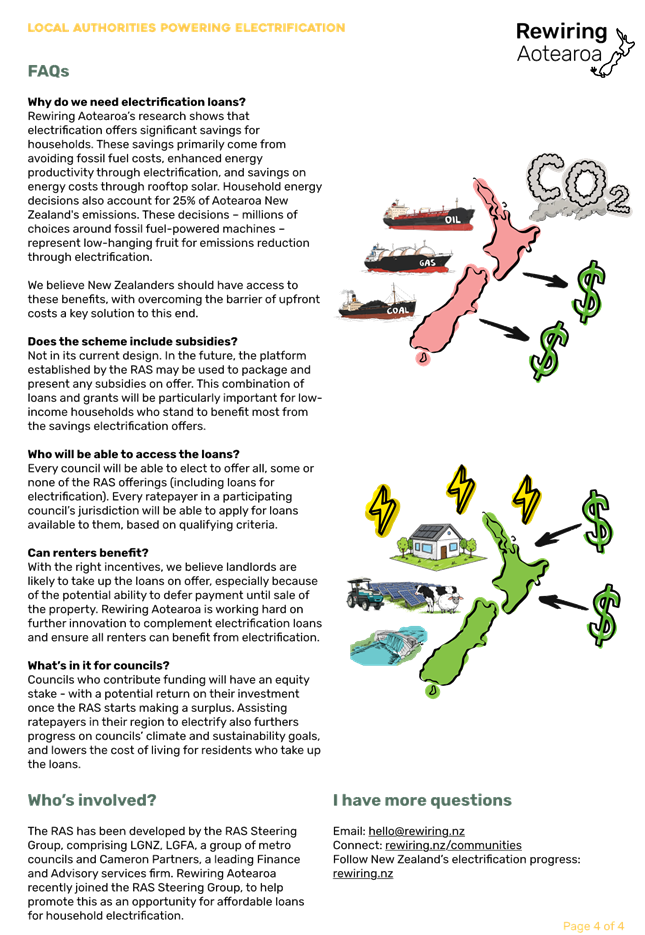
|
Council
meeting
|
30 July
2025
|


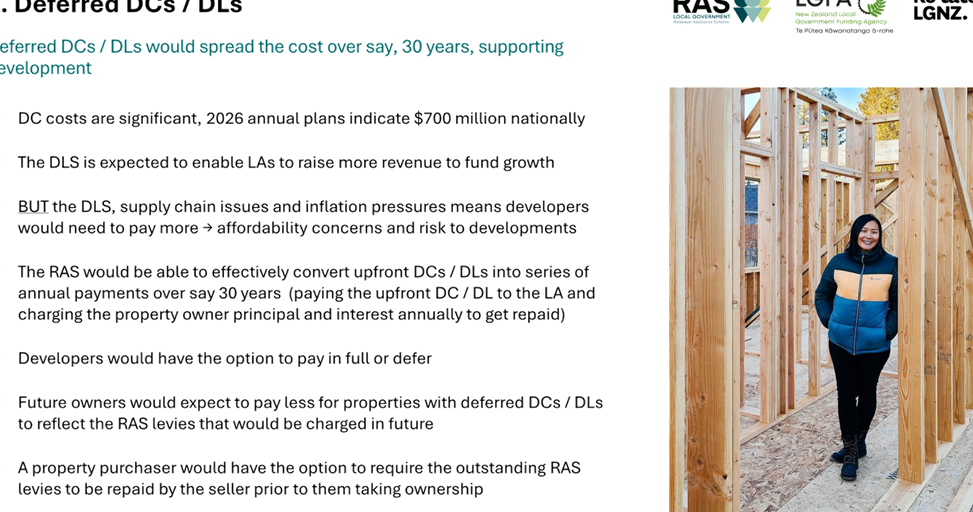
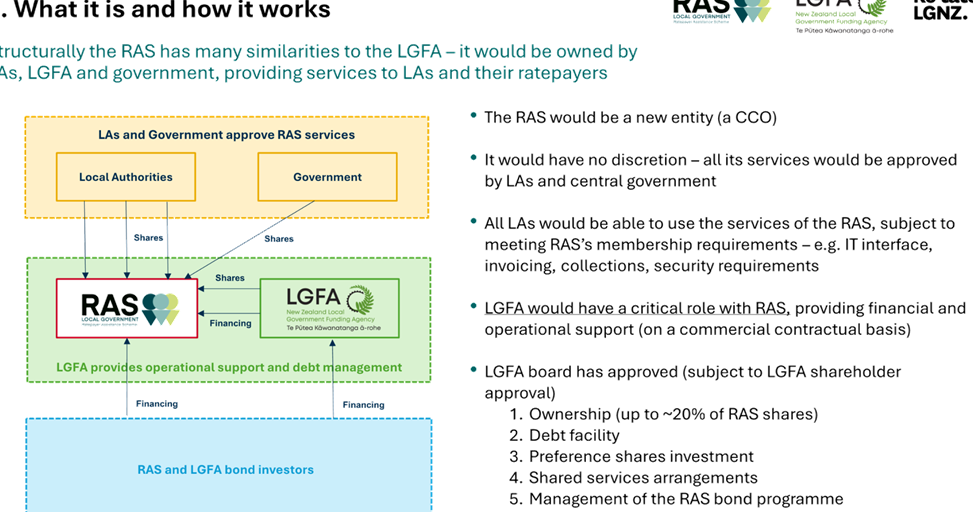
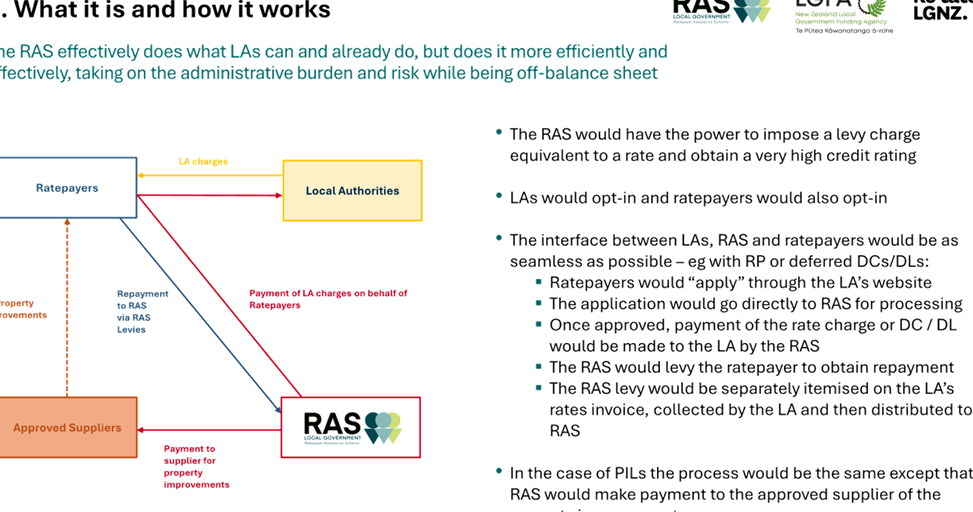
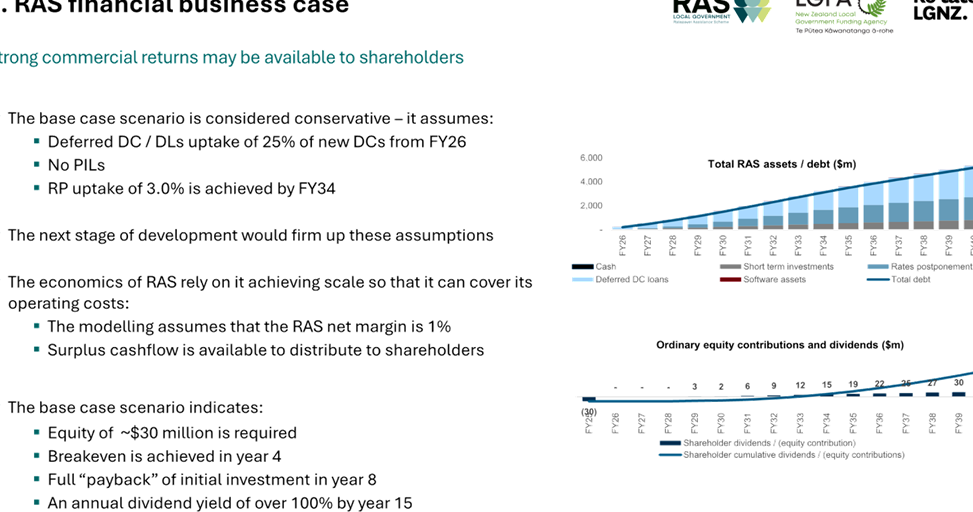
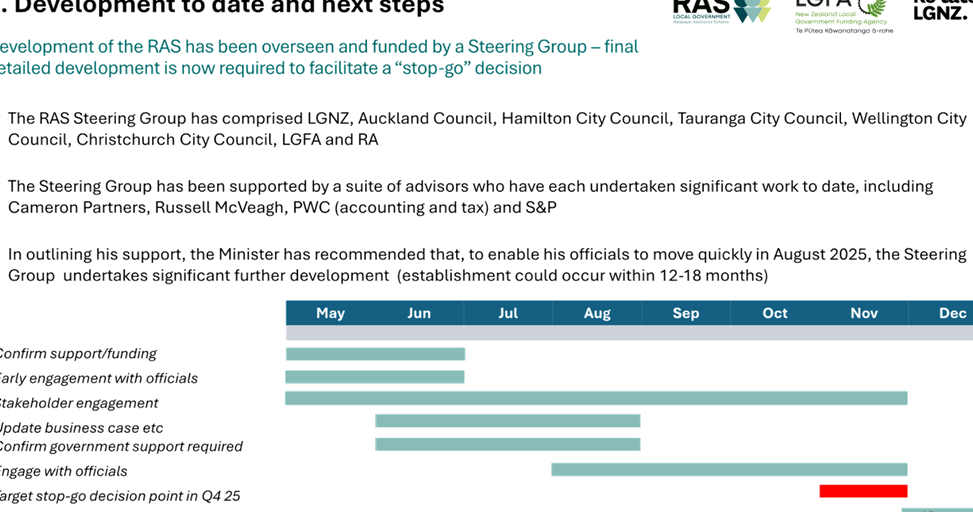
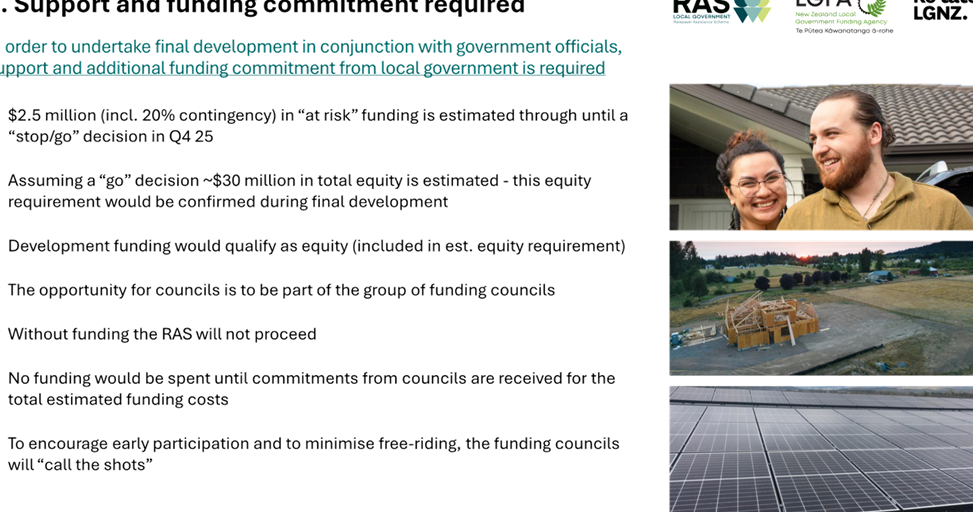

|
30 July 2025
|
|
25.15.10 Journey to an Established
Welcoming Community
Doc ID: 2524085
|
Report Author:
|
Heather Harries, Welcoming
Communities Officer
|
|
Reviewed
and authorised by:
|
Louise Fleck, Group Manager -
People and Culture, Acting Group Manager - Community Vision
|
1. Purpose
To share highlights from
the Central Otago Welcoming Communities programme – including its
progression to an Established Welcoming Community (Stage 2) classification
through the Ministry of Business, Innovation and Employment (MBIE) – and to
provide insight into the programme’s direction for the next 12 months.
|
Recommendations
That the report be received.
|
2. Discussion
Welcoming Communities
supports councils, mana whenua and communities to welcome
newcomers
to the district, and builds an economic and competitive advantage to attract,
support and retain newcomers.
The programme also works to grow social inclusion through welcoming activities
that increase social engagement and build community connections.
At the
heart of the Welcoming Communities programme are eight standards which provide
a benchmark for what a successful welcoming community looks like. Through these
standards the programme aims to bring together local government and community
leaders to build strong connections between newcomers, the land, and each
other; recognising that communities are healthier, happier, and more productive
when newcomers fully participate in society and the local economy.

3. Discussion
In 2021
the Central Otago District Council was selected into a three-year Welcoming
Communities programme sponsored by Immigration New Zealand and MBIE. In July
2024, Council extended the Welcoming Communities programme for a further two
years, providing more time for the community to take ownership of initiatives
that suit their needs.
This
programme aligns with Council’s Economic Development Strategy objectives
of supporting businesses to source and hold labour, create experiences for
locals and visitors, and reduce the loss of talent from the district. These
objectives are particularly relevant for Central Otago as we continue to
experience unprecedented population growth coupled with low unemployment rates.
Connecting employees and their families into the community also helps smooth
the settlement process, as well as enriching local community groups and
experiences.
The
focus of the Central Otago Welcoming Communities programme over these
twenty-four months is to reinforce genuine and collaborative engagement with
local communities, businesses, and organisations to help newcomers feel
included and want to make Central Otago their home.
The
investment in this programme is not borne by Council alone. Central Lakes Trust
has committed a two-year grant of $16,000 per annum to Central Otago Welcoming
Communities. Welcoming Communities’ recent accreditation from MBIE as an
Established Welcoming Community also contributes a one-off grant of $9,500
towards the project.
4. 2024/2025 Highlights
Welcoming
Communities has been involved in a range of activities over the past twelve
months. These range from the ongoing facilitation of existing community
networks – such as the Cromwell and Alexandra Newcomer Networks,
multicultural partnership groups, and the Seasonal Staff Manaaki / Southern
Labour Governance Pastoral Care Group – through to facilitating and
supporting community activities and training opportunities.
Here
are some highlights:
Welcoming Communities Stage Two
Accreditation
In June 2025, Central
Otago’s Welcoming Communities application to MBIE for Stage 2
Accreditation was accepted. The Welcoming Communities Standard for New Zealand
sets the benchmark for what a thriving welcoming community looks like,
including economic, social, civic, and cultural success. Accreditation formally
recognises that our Council and community are being intentionally welcoming and
a place where everyone can belong and flourish.
Stage 2
Accreditation demonstrates that Central Otago District Council’s
Welcoming Communities’ programme is clear about what we want to achieve,
and we are implementing the activities laid out in our Welcome Plan.
The
strengths identified in the Central Otago programme are our commitment to
improve cultural competency and develop partnerships, our community engagement
activities, and inclusive programmes (such as Women’s Wednesdays swimming
and Business South Leadership Scholarship).
Areas
identified for further growth and progression include role-modelling of
cultural competency by leadership, the sustainability of existing initiatives,
and two-way engagement opportunities.

Immigration Q&A &
Immigration Made Simple

 Alexandra
(February 2024) and Cromwell (November 2024)
Alexandra
(February 2024) and Cromwell (November 2024)


Immigration rules and policies change frequently, impacting
visa applications and eligibility. An increase in the number of temporary
migrant visas has contributed to uncertainty and mismatched expectations of an
actual path to residency. The knock-on effects are significant, including a
strain on mental health, support networks, schools, and employers. To demystify
immigration policy and offer expert advice, an Immigration Q&A session was
held in Alexandra, with over 50 attendees. Due to the success of this event, it
was repeated in Cromwell later in the year. Although feedback reinforced that
the content was valuable, unfortunately, attendance was less than anticipated.


Newcomer Leadership
Scholarships
 Recognising
the value of diversity in the workplace by harnessing the contributions that
newcomers can offer leads to economic gain for the region.
Recognising
the value of diversity in the workplace by harnessing the contributions that
newcomers can offer leads to economic gain for the region.
Business South and Welcoming Communities joined forces for three
years running to offer Newcomer Leadership Scholarships. This project links
directly to Central Otago’s Economic Development programme.
 Bianca
(recipient in 2024 from Ranfurly) wrote, “Thank you so much for the
opportunity to be able to listen to some truly inspirational businesspeople.
I’m excited to tackle my next business project with confidence, armed
with the wealth of knowledge from the Leadership Academy.”
Bianca
(recipient in 2024 from Ranfurly) wrote, “Thank you so much for the
opportunity to be able to listen to some truly inspirational businesspeople.
I’m excited to tackle my next business project with confidence, armed
with the wealth of knowledge from the Leadership Academy.”
Adam (recipient in 2024 from Cromwell) surmised that,
“The emphasis on effective communication and team-building skills has
equipped me to foster a more collaborative and motivated work environment”.


Find Your Perfect Match –
Volunteer “Speed Dating”
Alexandra (February 2024) and Cromwell (September 2024)
Participating in civic activities helps newcomers build
connections, understand local culture, and have their voices heard in decision
making processes, contributing to the community’s wellbeing and fostering
a sense of belonging. Volunteering is deeply ingrained in New Zealand’s
culture, offering benefits to both the individual and the community as a whole.
Welcoming Communities collaborated with Volunteer South, Alexandra Community
House and Cromwell Community House to host two volunteer speed dating events.
These events have been successful in connecting locals and newcomers and
creating perfect volunteer matches.


In 2025, Volunteer South is collaborating with Queenstown
Lakes to replicate this concept over Welcoming Week, with one event in
Queenstown and another in Wānaka.
In Central Otago, this event will be run over Mental Health
Awareness Week (6-12 October 2025). Welcoming Communities will collaborate to
amplify and support this event.


Cultural Talent Festival
Cromwell (June 2024)
 Respecting,
valuing, and learning about the different ethnicities in our community leads to
a culturally rich and vibrant community and enhances a sense of belonging for
everyone. The Cultural Talent Festival saw approximately 120 people come
together to celebrate the increasing diversity within our district, with dance,
song, magic and food to share. Nationalities included the Philippines,
I-Kiribati, Chile, India, Tonga, New Zealand and more.
Respecting,
valuing, and learning about the different ethnicities in our community leads to
a culturally rich and vibrant community and enhances a sense of belonging for
everyone. The Cultural Talent Festival saw approximately 120 people come
together to celebrate the increasing diversity within our district, with dance,
song, magic and food to share. Nationalities included the Philippines,
I-Kiribati, Chile, India, Tonga, New Zealand and more.
Photo: FCCONZ
(Filipino Community Central Otago NZ)



Photos:
Meraine from Kiribati, Juan Pablo from Chile, and siblings Rehaan &
Ambreen from India.
The sense of belonging and inclusivity cannot be
underestimated by those that participated. Evaluation results demonstrated that
the event was enjoyable for those who came to watch as well as those who
participated (average rating = 4.59/5), and everyone said they would
attend/perform/help with a future event.
The re-establishment of the
Alexandra Badminton Club – “Give it a Go!” days


 October
2024 and December 2024
October
2024 and December 2024
 Globally,
more than 300 million people actively participate in badminton, with a strong
presence in Asia and Europe. Welcoming Communities was approached by Central
Otago REAP when a member of the Choices programme (for second chance learners)
expressed a desire to reignite the Alexandra Badminton Club. Welcoming
Communities and the Alexandra Newcomers Network which were put towards
refreshments for two “Give it Go!” sessions. Welcoming Communities
amplified the initiative through Council communication platforms and worked in
collaboration with Sport Central and Central Otago REAP. The Alexandra
Badminton Club has a newly instated committee and strong membership, meeting
every Thursday. Newcomers to the district are acting as both participants and
instructors/leaders.
Globally,
more than 300 million people actively participate in badminton, with a strong
presence in Asia and Europe. Welcoming Communities was approached by Central
Otago REAP when a member of the Choices programme (for second chance learners)
expressed a desire to reignite the Alexandra Badminton Club. Welcoming
Communities and the Alexandra Newcomers Network which were put towards
refreshments for two “Give it Go!” sessions. Welcoming Communities
amplified the initiative through Council communication platforms and worked in
collaboration with Sport Central and Central Otago REAP. The Alexandra
Badminton Club has a newly instated committee and strong membership, meeting
every Thursday. Newcomers to the district are acting as both participants and
instructors/leaders.


Inclusive
engagement with community at grassroots level


The
Tribe: Local schools have seen a marked increase in new migrant enrolments
and the need to provide English Language Learner support. The Terrace School
has created a Wednesday afternoon group called “The Tribe”, whereby,
children born outside of NZ meet to support each other and find a common ground
through their differences. Welcoming Communities has had the privilege of being
invited to some of their Wednesday afternoon sessions and an afternoon tea.


Cromwell College had over 40 new migrant enrolments in
Term 3 of 2023. In response, Welcoming Communities, Cromwell Community House
and Cromwell Newcomers Network collaborated with Cromwell College to create the
Cromwell Focus Group for Migrants. These meetings were initially held on school
grounds during work hours, but they have morphed into relaxed gatherings held
at the Cromwell Youth Hub over shared kai in the evenings.
 Migrant
Families Hui was an initiative led by Central Otago REAP in which Alexandra
schools, employers, social services, and pastoral care organisations
collaborated to create a network to aid migrant families through the settlement
process.
Migrant
Families Hui was an initiative led by Central Otago REAP in which Alexandra
schools, employers, social services, and pastoral care organisations
collaborated to create a network to aid migrant families through the settlement
process.
This collective led to the provision of workplace English
lessons for new migrants. The Kiwi English ESOL course was followed by the
Drive My Life Programme. These lessons took place in the workplace, during paid
worktime hours, to reduce barriers to these services. The Drive My Life
programme supported 82 migrants through the driving license journey, improving
their quality of life and helping to make our roads safer.
From working with aged-care sector ESOL employees in
Alexandra, the initiative moved to Ripponburn and Golden View in Cromwell.


Photos above: Roleplays at Ripponburn
– how to make an emergency phone call in New Zealand,
Kiwi slang and Kiwi culture at (while
making a chocolate log!), and Drive My Life lessons, at Ranui Court Retirement
Village
 Multicultural
Partnership Groups: Multicultural groups were created in Cromwell and
Alexandra to provide a network of support among those who identify as
international newcomers. The focus away from domestic newcomers was to help
address the additional challenges they face (including language, immigration,
and culture shock). The groups gather for meetings, shared food, and the
Alexandra group have also hosted a casual “meet and greet” in the
park and a walk in the hills.
Multicultural
Partnership Groups: Multicultural groups were created in Cromwell and
Alexandra to provide a network of support among those who identify as
international newcomers. The focus away from domestic newcomers was to help
address the additional challenges they face (including language, immigration,
and culture shock). The groups gather for meetings, shared food, and the
Alexandra group have also hosted a casual “meet and greet” in the
park and a walk in the hills.


Women’s
Wednesdays Swim Programme

 Cromwell
(February-March 2025)
Cromwell
(February-March 2025)
 Sport
Central, Te Whatu Ora, Central Otago Swim Centres and Welcoming Communities collaborated
to mobilise a 3-week pilot for women to develop confidence in and around water.
The programme was targeted at migrant and New Zealand females who wanted to
swim but felt uncomfortable in public swimming sessions. The sessions helped
develop water confidence and basic swimming skills.
Sport
Central, Te Whatu Ora, Central Otago Swim Centres and Welcoming Communities collaborated
to mobilise a 3-week pilot for women to develop confidence in and around water.
The programme was targeted at migrant and New Zealand females who wanted to
swim but felt uncomfortable in public swimming sessions. The sessions helped
develop water confidence and basic swimming skills.
The pilot was so well supported that it was extended to 6 weeks.




“New to Central” button on The Central App
The
Central App and Welcoming Communities have collaborated to create a digital
information platform for newcomers. The “New to Central” button
includes essential information for newcomers navigating this place, along with
newcomer profiles. This is a work in progress and there are readily accessible
surveys to gather community feedback to make this information fit for purpose,
easy to navigate, and up to date.


5. Looking Ahead to 2025/26
The focus for Central Otago
Welcoming Communities over the next twelve months is:
o Developing a Welcome Guide for
newcomers that can be accessible through a range of mediums;
o Investigating needs and
opportunities for Welcoming Communities initiatives in Māniatoto and the
Teviot Valley;
o Raising public awareness of
the Welcoming Communities programme; and
o Strengthening existing
networks so that they become self-sustaining.
There are also a number of events
and activities scheduled:
· Newcomer
Business Mentorships (2025)
The Business South Newcomer
Scholarship initiative has been adapted to provide two newcomers a business
mentor each for a full year. Expressions of interest have been sought and the
selection process for these mentorships is currently underway.
· Women’s
Wednesdays 10-week swim programme (September – November 2025)
In spring,
Welcoming Communities, Central Otago Swim Centres, and Sport Central are
collaborating once more to roll out a 10-week all women’s programme in
spring in Cromwell. This network is also teaming up with ACOSS to roll out a
3-week swim pilot programme in Alexandra.
· An online
Welcome to Central Otago for Seasonal Staff (Term 3 2025)
Welcoming Communities is
collaborating with Clyde Primary School to create a welcome video for our
seasonal workers in the summer of 2025. This video will align with Central
Otago Regional Identity messaging.
· Welcoming Week
and the Festival of Lifelong Learning (September 2025)
Welcoming Week
coincides with the Festival of Lifelong Learning – this is a chance to
celebrate lifelong learning alongside hearing the voices and stories of our
longtime locals and newcomers to Central Otago.
Central Otago
District Arts Trust, Central Otago REAP and Welcoming Communities are also
welcoming the women who lost loved ones in the Christchurch Mosque attacks with
their project called 51 Threads. This is an opportunity to hear their stories
of resilience and to celebrate unity, diversity and inclusion in Central Otago
through the art of calligraphy and embroidery. English as a second language
(ESOL) migrants are also invited to tell their stories in their mother-tongue.
6. Attachments
Nil
|
30 July 2025
|
|
25.15.11 Cromwell Land Investment
Strategy
Doc ID: 2508818
|
Report Author:
|
Saskia Righarts, Acting Group
Manager - Community Experience
|
|
Reviewed
and authorised by:
|
Peter Kelly, Chief Executive
Officer
|
1. Purpose
of Report
To consider approval of
the Cromwell Land Investment Strategy.
|
Recommendations
That the Council
A. Receives
the report and accepts the level of significance.
B. Approves the
Cromwell Land Investment Strategy.
C. Agrees that this
strategy is reviewed in one year’s time, and then every three years to
align with the local body election cycle.
|
2. Background
The Cromwell Community
Board has been considering the development of a land investment strategy to
guide decision making on the development and proceeds from Cromwell endowment
land (Bannockburn Road subdivision). The Board in their work have made the strategy
sufficiently broad enough that the guiding principles can be applied to other
parcels of land in time.
Council considered a draft
of this strategy at their meeting in February 2025.
3. Discussion
Following feedback from
Council at their meeting on 17 June 2025, the Cromwell Community Board endorsed
the draft strategy and resolved that it be recommended to Council to be
adopted. The Board also resolved that the strategy be reviewed in a year’s
time and then reviewed every three years to align with local body elections (as
opposed to Council’s standard approach of a five-year renewal cycle for
strategies). Given the importance of land sales to achieve a balanced budget
for the 2025-34 Long-term plan a more regular review of this strategy is
prudent.
4. Financial
Considerations
There are no immediate financial considerations in
adopting this strategy. All land sales and proceeds will be worked through in
accordance with long-term planning processes at the appropriate time.
5. Options
Option 1 –
(Recommended)
Approves the Cromwell Land
Investment Strategy and agrees to a review after one year, then every three
years after that.
Advantages:
· Will
enable a framework for decision making by Council.
· Ensures
transparency with the community on the approach to the developing land.
Disadvantages:
· None
identified.
Option 2
Do not approve the
Cromwell Land Investment Strategy and agree to a review after one year, then
every three years after that.
Advantages:
· None
identified.
Disadvantages:
· May
result in the development of endowment land (and the proceeds) not being used
in a strategic way as intended by the Cromwell Community Board and Council.
· May
result in ad-hoc decisions over time
· May
not meet the expectations of the community.
6. Compliance
|
Local Government Act 2002 Purpose Provisions
|
This decision promotes the social, economic, environmental
wellbeing of communities, in the present and for the future by ensuring that
the development of endowment land in Cromwell is developed in accordance with
a sound strategy.
|
|
Decision consistent with other Council plans and policies? Such as
the District Plan, Economic Development Strategy etc.
|
Yes.
|
|
Considerations as to sustainability, the environment and climate
change impacts
|
These will be considered as part of agreed land developments.
|
|
Risks Analysis
|
There are no risks in adopting this report
|
|
Significance, Consultation and Engagement (internal and external)
|
This decision does not meet the level of public engagement
or consultation under the Significance and Engagement Policy.
|
7. Next
Steps
If
approved, the strategy will be included in the policy and strategy register
will the review dates as agreed. This strategy will inform the development of
the 2027-37 Long-term Plan.
8. Attachments
Appendix 1 - Cromwell Land
Investment Strategy Final Draft ⇩
|
Council
meeting
|
30 July
2025
|
|
30 July 2025
|

|
25.15.12 Remuneration Authority
Determination 2025 and Update to the Elected Members Allowances and
Reimbursement Policy
Doc ID: 2522024
|
Report Author:
|
Wayne McEnteer, Governance
Manager
|
|
Reviewed
and authorised by:
|
Saskia Righarts, Group Manager -
Governance and Business Services
|
1. Purpose
of Report
To consider the recent
determination from the Remuneration Authority and changes to the Elected
Allowances and Reimbursement Policy.
|
Recommendations
That the Council
A. Receives
the report and accepts the level of significance.
B. Notes the 2025/26
determination from the Remuneration Authority.
C. Adopts the
revised Elected Allowances and Reimbursement Policy.
|
2. Background
The Remuneration Authority
has released the 2025/26 determination (see appendix one). This sets elected
member remuneration for the coming year. Please note that it is broken into
remuneration before the election in October and after it. In addition, there
are amendments that require an update of the Elected Allowances and
Reimbursement Policy (see appendix 2).
3. Discussion
The determination of
remuneration for elected members is presented for information. The decision of
the Remuneration Authority is final and it is unable to be contested.
There are also updates to
consider for the Elected Allowances and Reimbursement Policy. There are changes
to allowances totals for childcare and in travel-time. Childcare moves from
$6,000 per child per annum to $7,500 per child per annum. Travel-time moves
from $40 per hour to $41.30 per hour.
There is one addition to
be considered in this determination, which is the provision for a home-based
security allowance. The Remuneration Authority noted that this provision has
followed on from a similar policy for Members of Parliament and is in response
to a rise in threatening behaviour towards elected members. However, this
provision will not come into force until the new triennium so this change will
be addressed in the policy then. There may need to be a separate policy for
this issue which goes into more depth, for instance around eligibility.
4. Financial
Considerations
These changes come from existing budgets.
5. Options
Option 1 –
(Recommended)
Adopt the updated Elected
Allowances and Reimbursement Policy.
Advantages:
· The
policy will be up to date with the recent determination.
Disadvantages:
· None.
Option 2
Do not adopt the Elected
Allowances and Reimbursement Policy
Advantages:
· None
Disadvantages:
· The
policy will be out of date and no longer adhering to the law.
6. Compliance
|
Local Government Act 2002 Purpose Provisions
|
This decision enables democratic local decision making and action
by, and on behalf of communities by ensuring that guidance from the
Remuneration Authority is adhered to.
|
|
Decision consistent with other Council plans and policies? Such as
the District Plan, Economic Development Strategy etc.
|
Yes it is consistent.
|
|
Considerations as to sustainability, the environment and climate
change impacts
|
These changes are of an electronic nature so there are no
considerations in this space.
|
|
Risks Analysis
|
There are no risks with this decision as the changes are adherence
to law.
|
|
Significance, Consultation and Engagement (internal and external)
|
This does not reach the threshold for consultation.
|
7. Next
Steps
The
policy will be updated online. Remuneration has already been updated for each
elected member.
8. Attachments
Appendix 1 - Local Government
Members 2025-2026 Determination ⇩
Appendix 2 - Elected Members
Allowances Policy - to be adopted ⇩
|
Council
meeting
|
30 July
2025
|
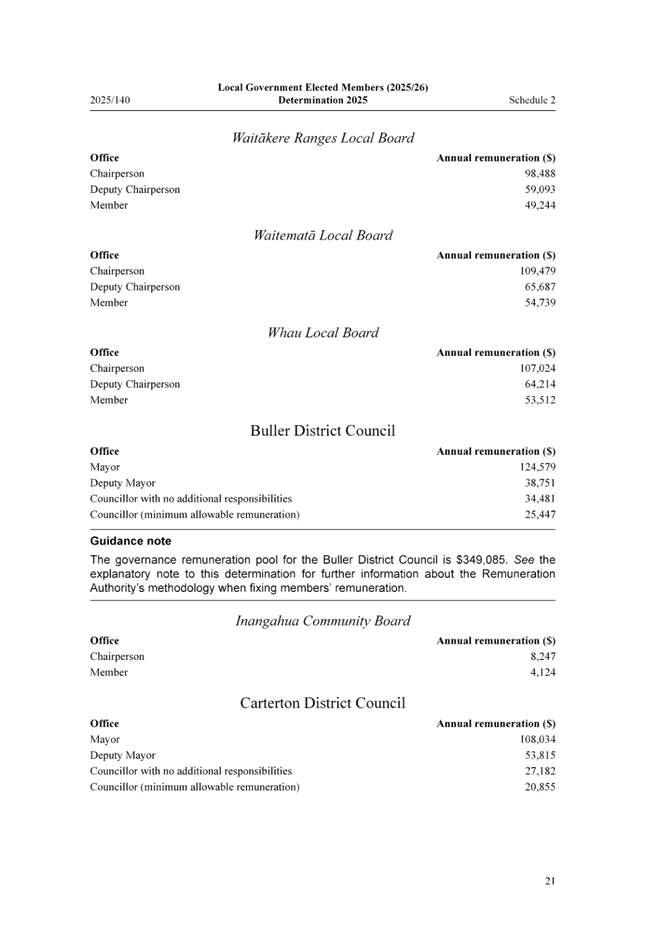
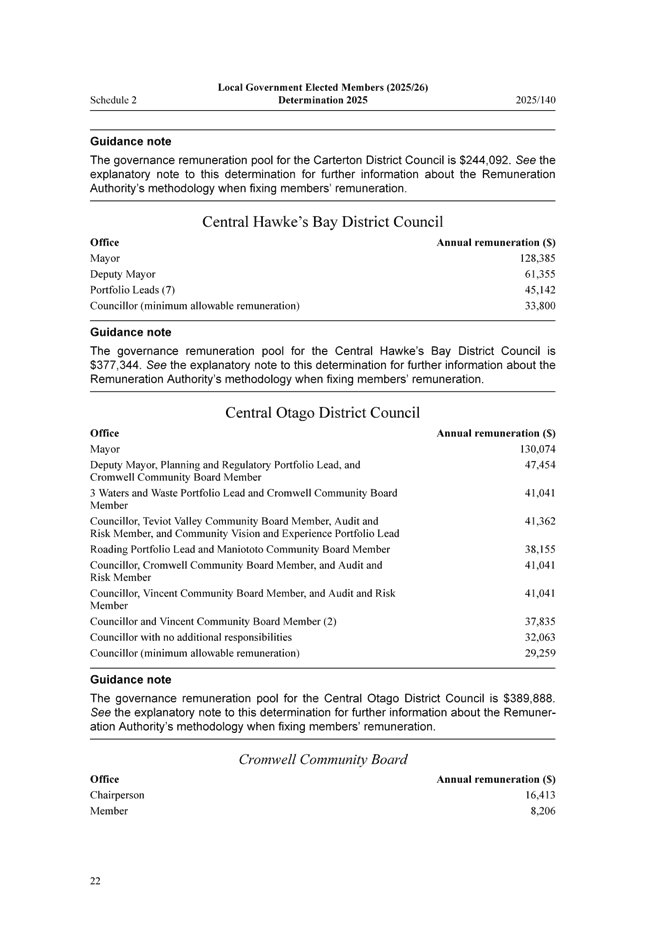
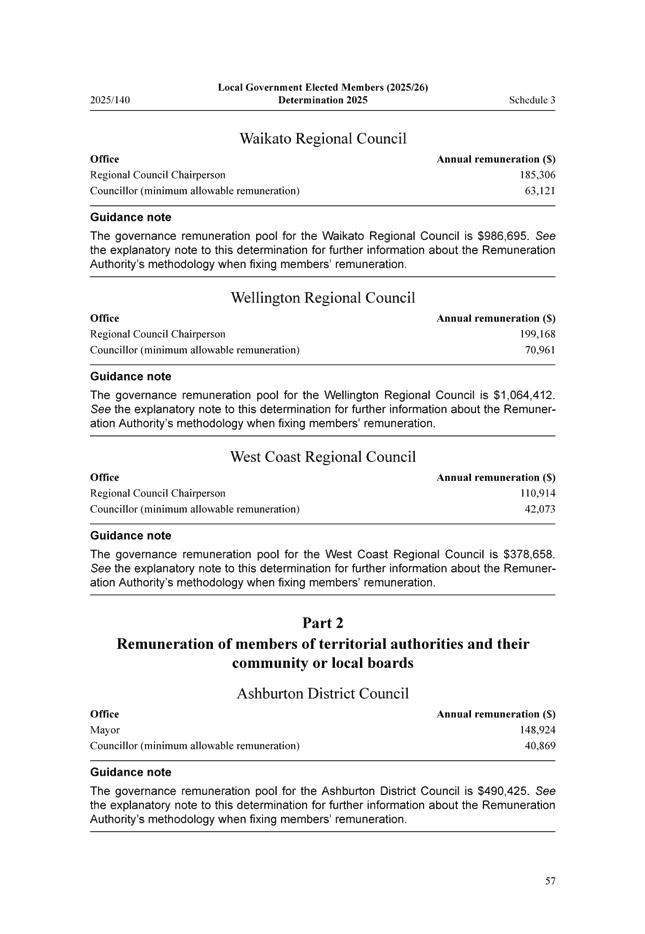
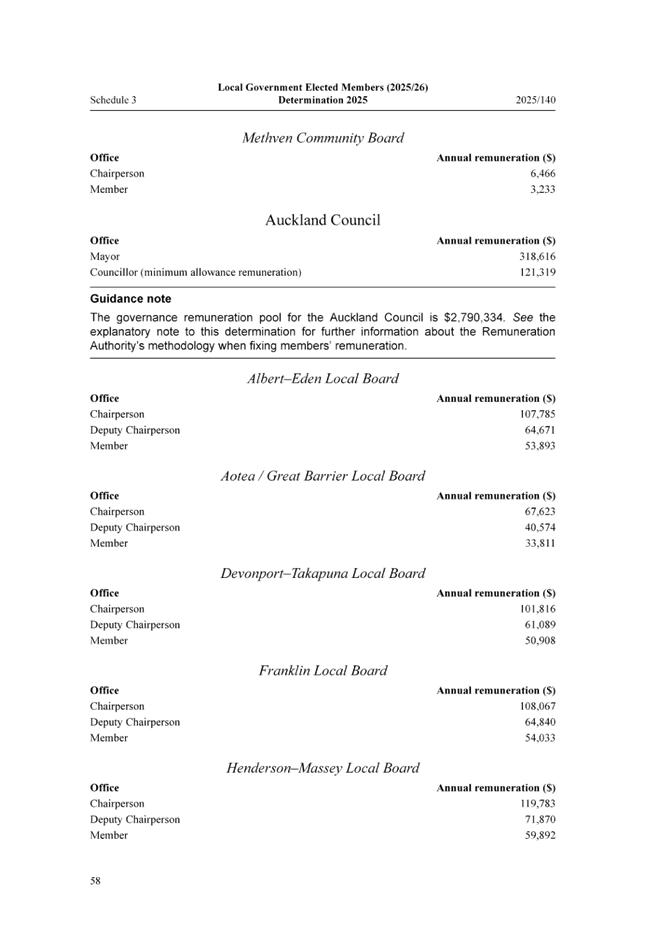
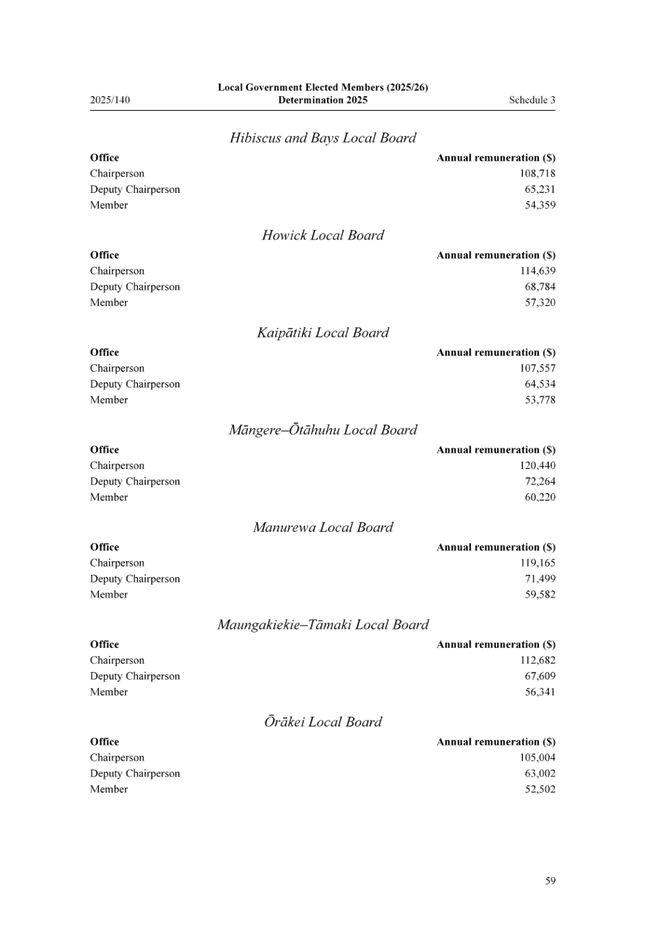
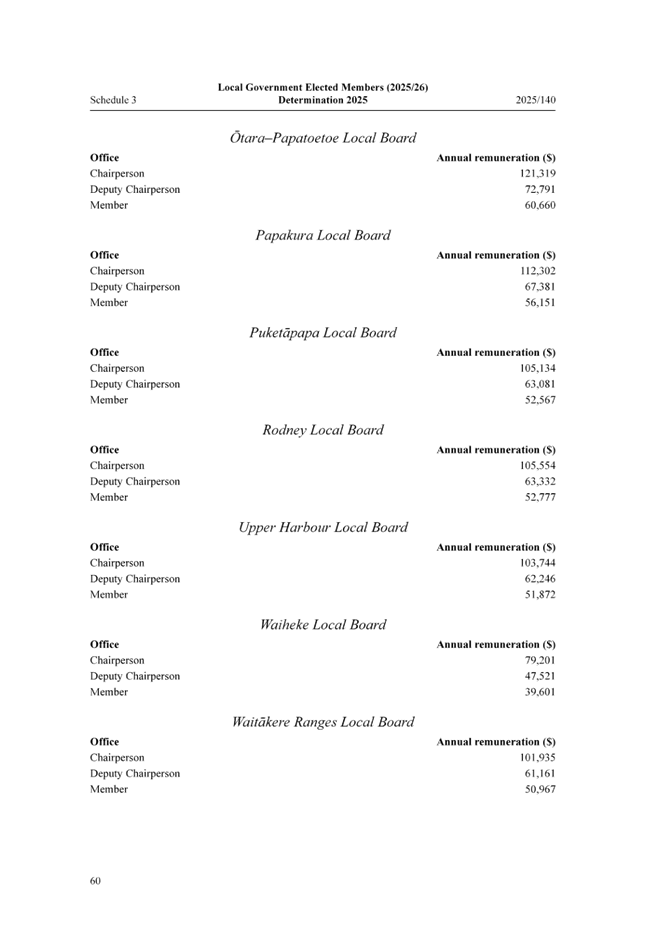
|
Council
meeting
|
30 July
2025
|
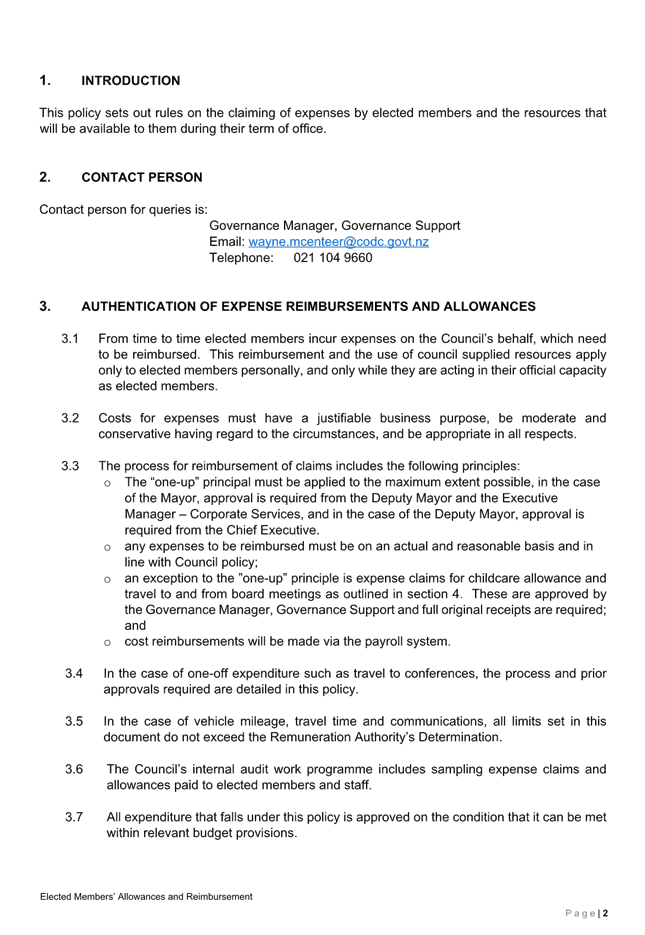
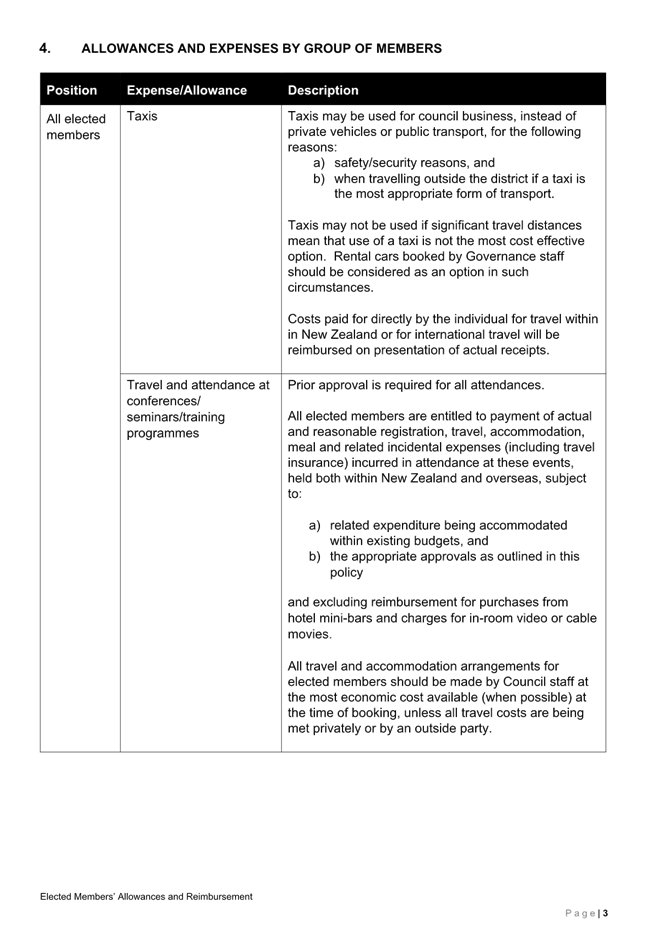
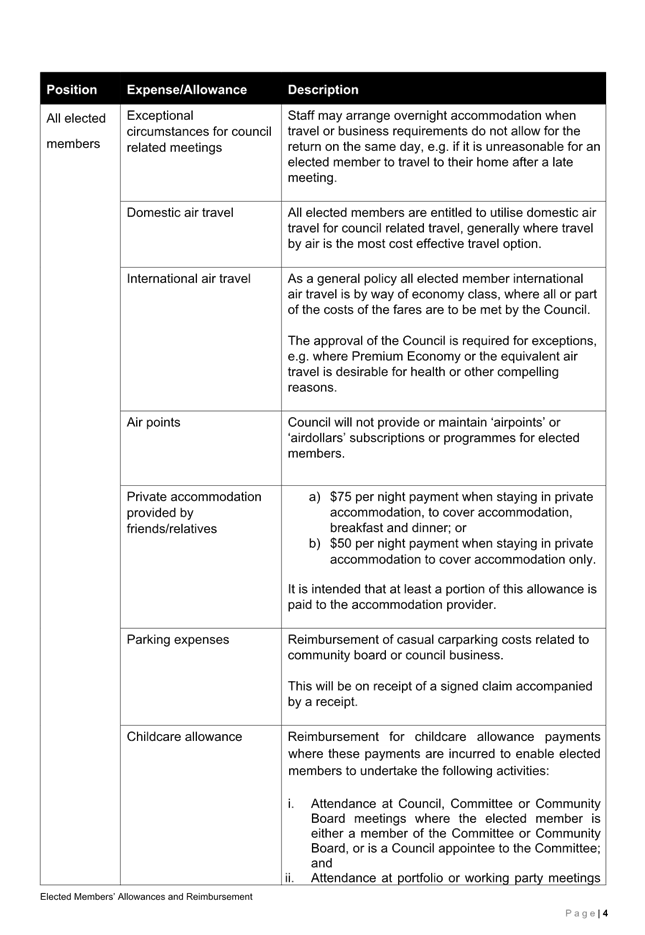

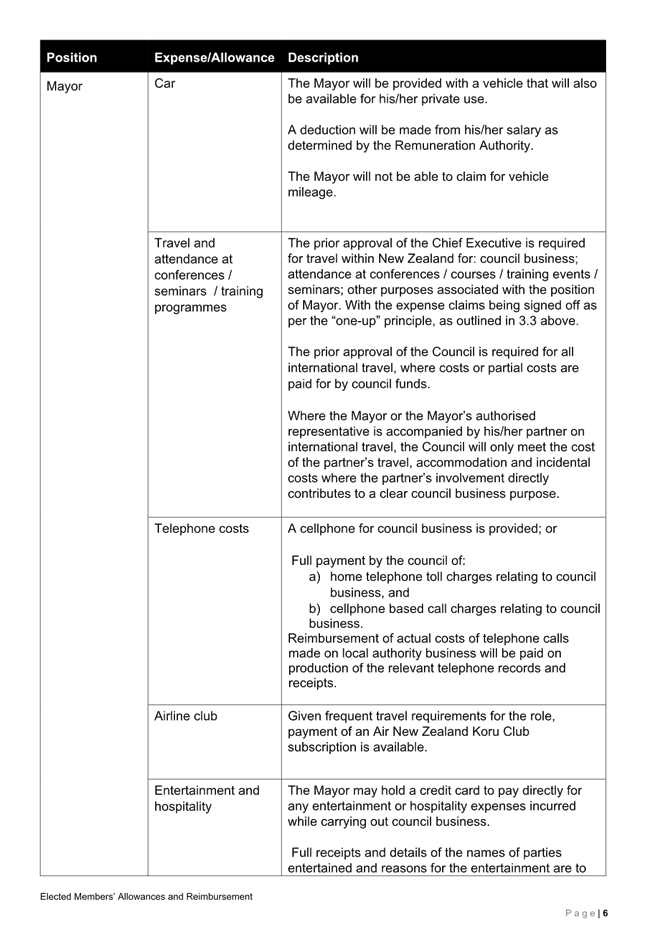
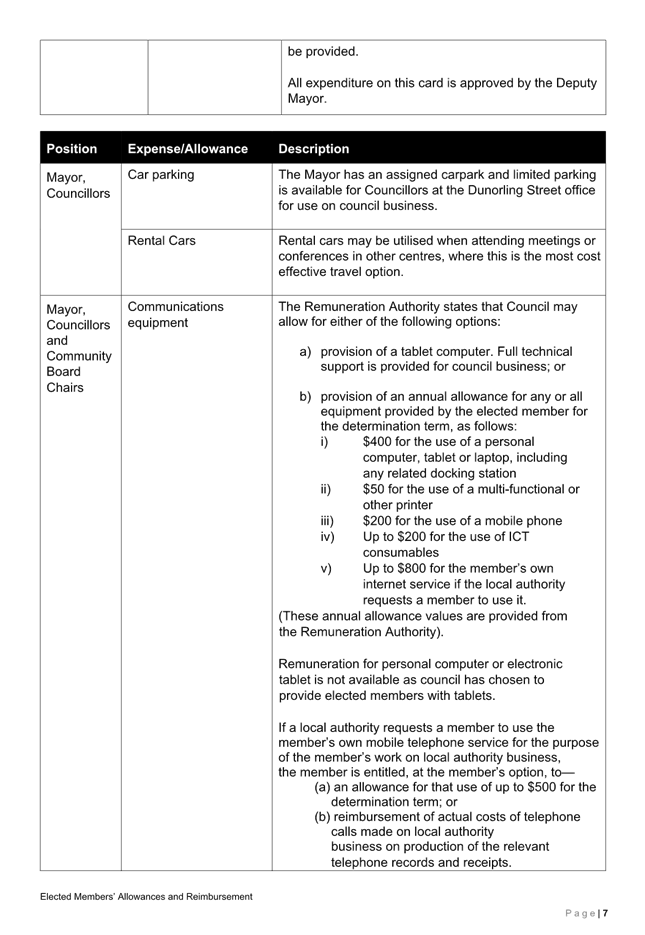
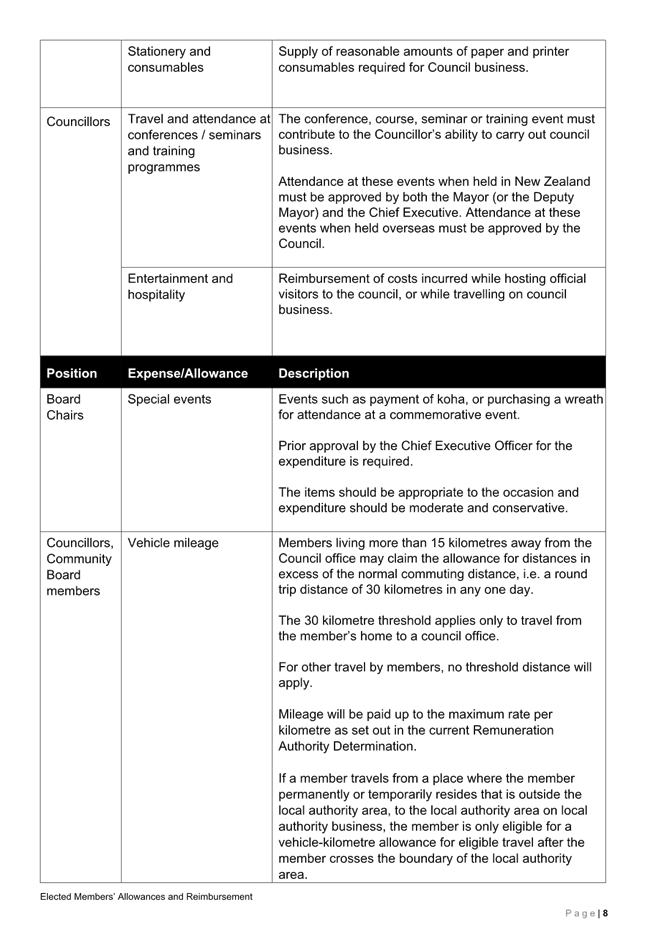

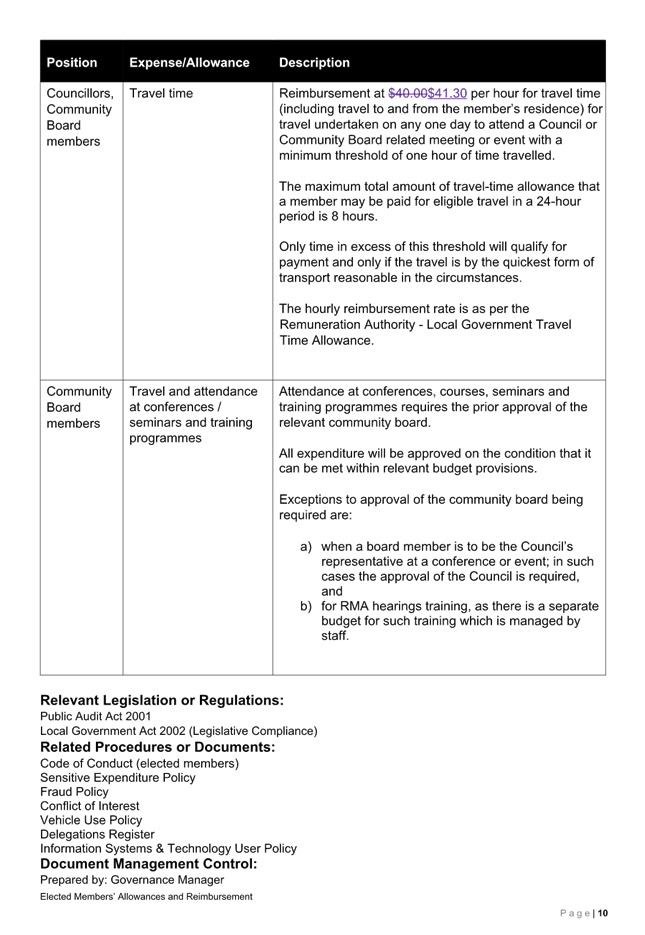

|
30 July 2025
|

|
25.15.13 2024/25 Organisational
Business Plan: Third Quarter Results
Doc ID: 2516781
|
Report Author:
|
Amelia Lines, Risk and
Procurement Manager
Natasha Robinson, Corporate
Planner
|
|
Reviewed
and authorised by:
|
Saskia Righarts, Group Manager -
Governance and Business Services
|
1. Purpose
To consider expanded
narratives for performance measures not achieved in the third quarter of
2024/25.
|
Recommendations
That the report be received.
|
2. Discussion
The Council’s
organisational business plan provides the framework for the council’s
leadership team to take a strategic look at the financial year ahead, review
the organisational strategic objectives, and provides a written road map for
achievement.
Reporting on the
Organisational Business Plan includes both performance results (internal facing
results) and performance measure (external facing measures which are set in
long-term plans and reported in annual reports).
In the May Council
meeting, councillors requested further detail on the non-achievement of
performance measure targets in the third quarter of 2024/25.
Relevant teams across the
organisation have provided further detail as to why targets were not met for
five performance measures across January, February, and March 2025. Appendix 1
includes these explanations, providing context and, where possible, details of
the improvement actions underway.
3. Attachments
Appendix 1 - Q3 Performance
Measures Detailed Commentary ⇩
Appendix 2 - Oversight of
verifications under the Food Act ⇩
|
Council
meeting
|
30 July
2025
|
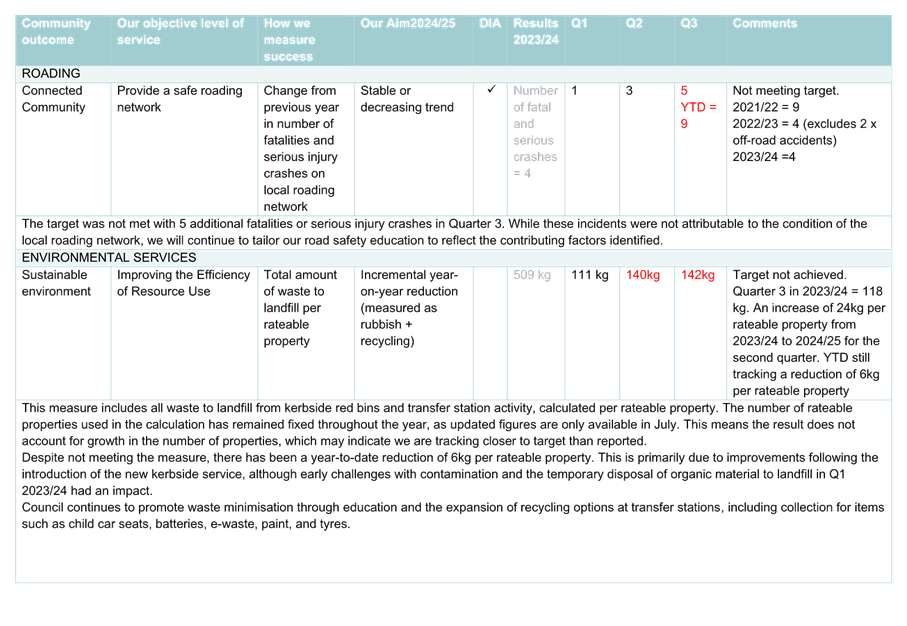
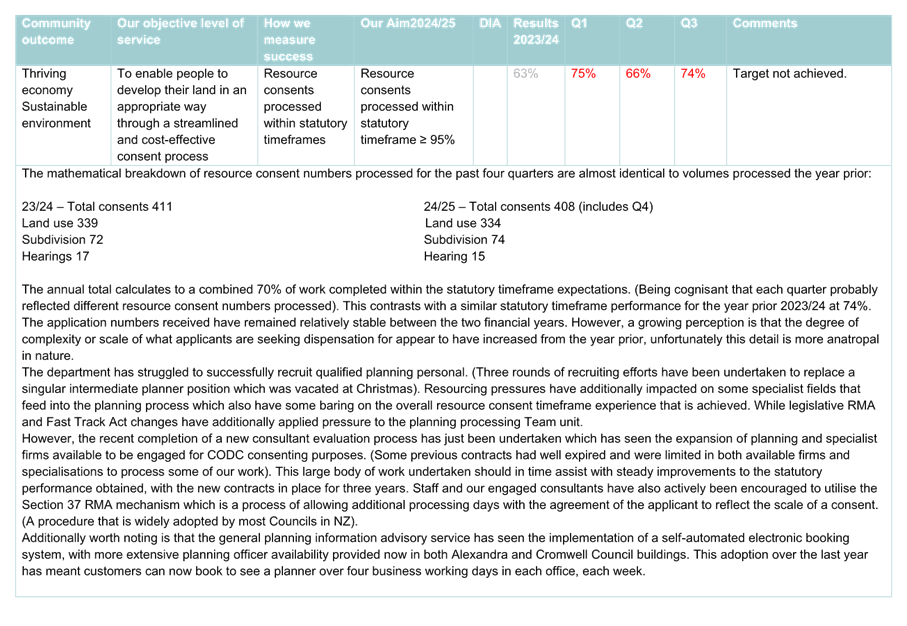
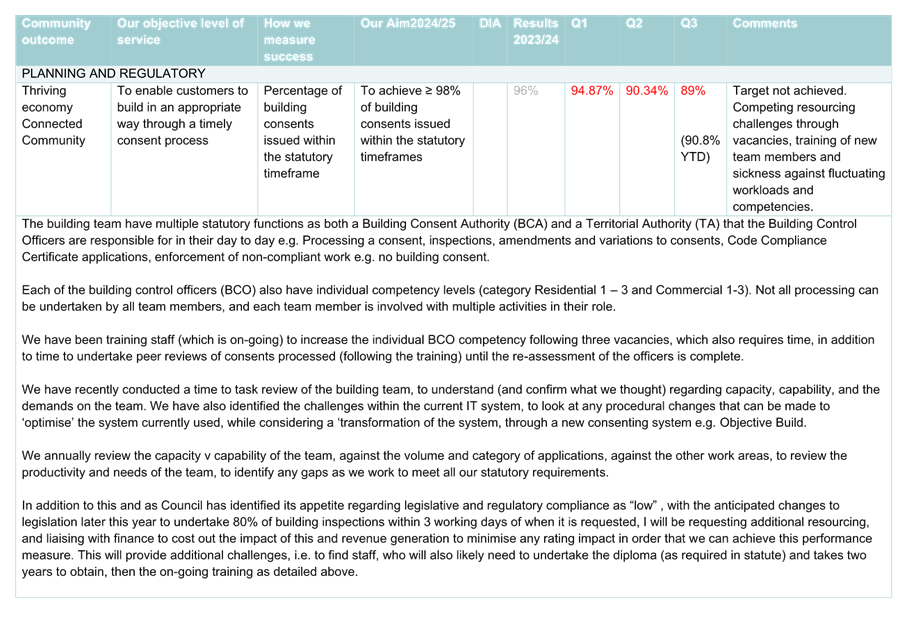
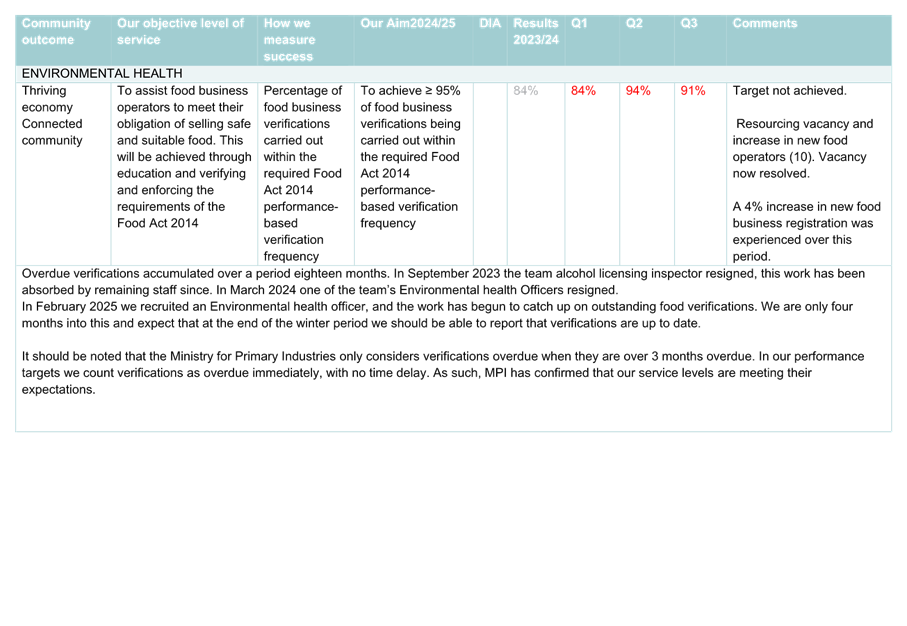
|
Council
meeting
|
30 July
2025
|
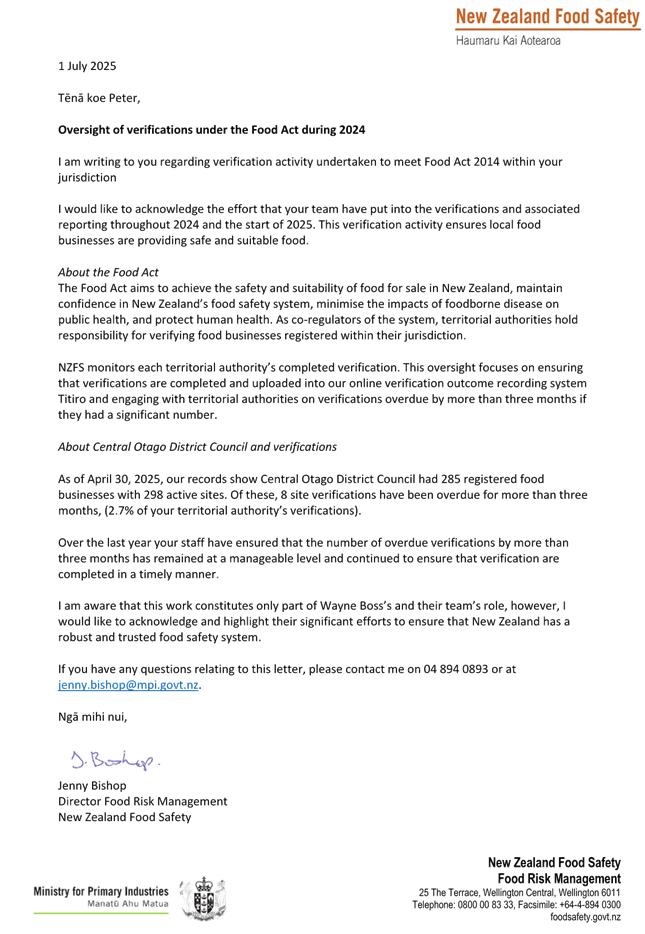
|
30 July 2025
|

|
25.15.14 Capex Report on Cromwell
Memorial Hall
Doc ID: 2540287
|
Report Author:
|
Garreth Robinson, Property and
Facilities Manager
|
|
Reviewed
and authorised by:
|
David Scoones, Group Manager -
Community Experience
|
1. Purpose
To provide capex updates
on the Cromwell Memorial Hall Project.
|
Recommendations
That the report be received.
|
2. Discussion
The capex report for the
Cromwell Memorial Hall project has been provided for information to
Councillors. Ongoing updates are communicated to Council at every second
meeting.
3. Attachments
Appendix 1 - Cromwell Memorial
Hall CAPEX Report for Period Ending June 2025 ⇩
|
Council
meeting
|
30 July
2025
|
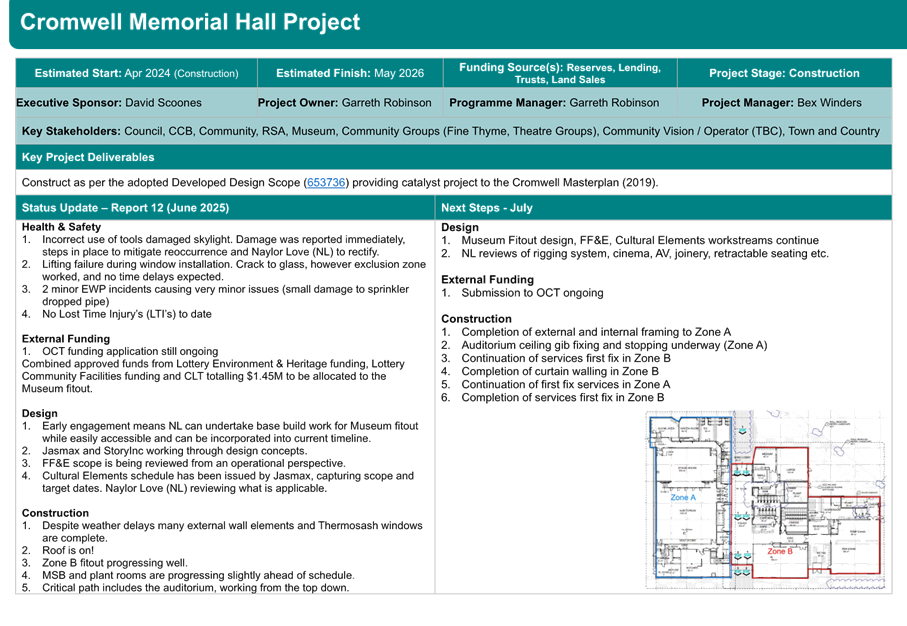
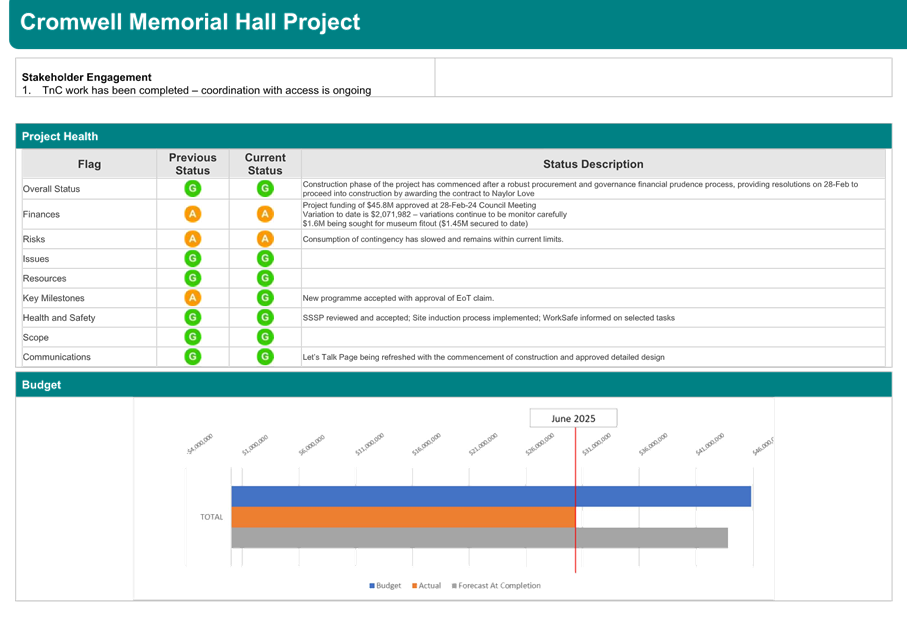
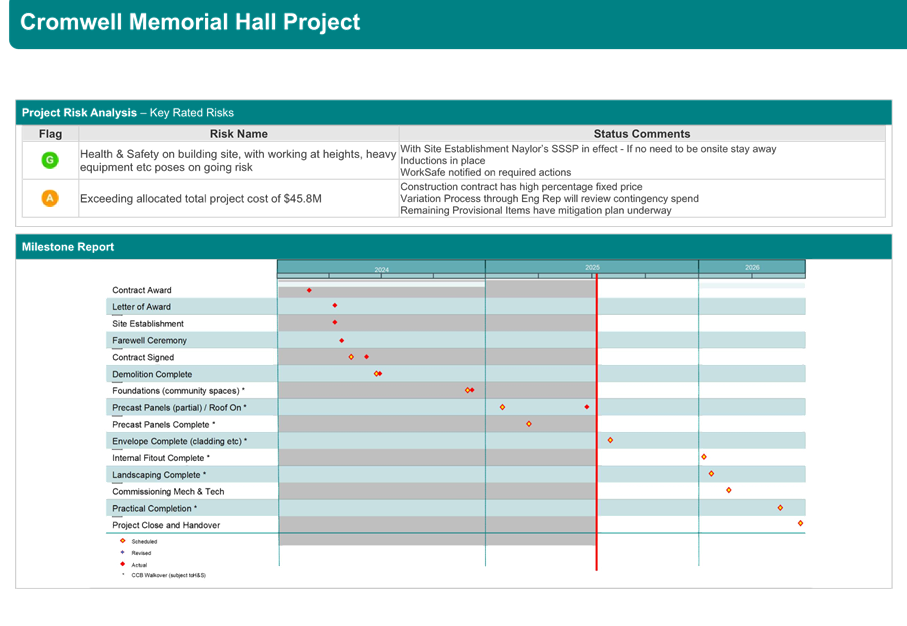
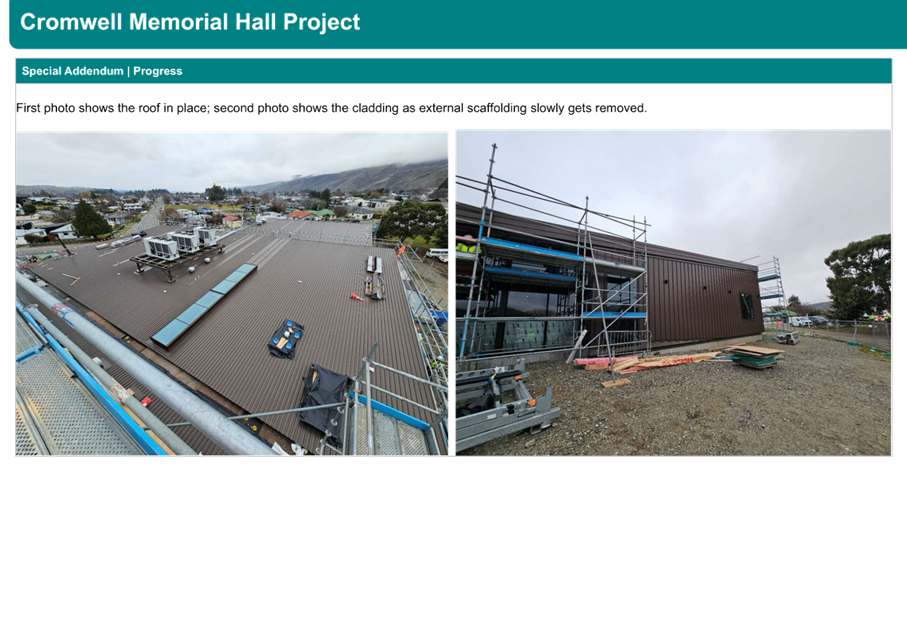
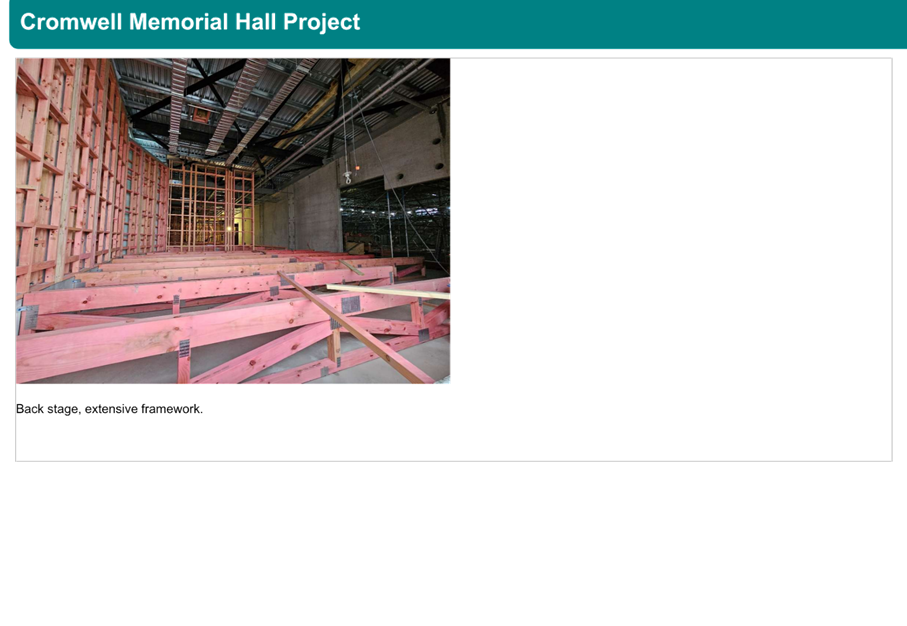
|
30 July 2025
|

|
25.15.15 Appointment of Cemetery
Trustees
Doc ID: 2512189
|
Report Author:
|
Gordon Bailey, Parks and
Recreation Manager
|
|
Reviewed
and authorised by:
|
David Scoones, Group Manager -
Community Experience
|
1. Purpose
of Report
To approve the appointment
of Cemetery Trustees to various Trust operated Cemeteries under delegation.
|
Recommendations
That the Council
A. Receives
the report and accepts the level of significance.
B. Appoints in
accordance with section 24 of the Burial and Cremations Act 1964 the
following Cemetery Trustees -
Millers Flat
Cemetery Trust:
|
Pam
|
P
|
Reichel
|
Roxburgh 9572
|
|
Hilary
|
H
|
Paterson
|
Roxburgh 9572
|
|
Forbes
|
F
|
Knight
|
Millers Flat
|
|
Norman
|
N
|
Paterson
|
Roxburgh 9572
|
Kyeburn
Cemetery Trust:
|
David
|
D C
|
Crutchley
|
Ranfurly 9396
|
|
Valerie
|
V
|
Smith
|
Ranfurly 9396
|
|
Phillip
|
P
|
Smith
|
Ranfurly 9396
|
|
Peter
|
P J
|
Hore
|
Ranfurly 9396
|
|
Charles
|
CA
|
Crutchley
|
Ranfurly 9397
|
|
Graeme
|
GJ
|
Brown
|
Ranfurly 9398
|
Gimmerburn
Cemetery Trust:
|
Max
|
M
|
Paterson
|
Ranfurly 9398
|
|
Colin
|
CT
|
Paterson
|
Ranfurly 9446
|
|
Mark
|
MS
|
Paterson
|
Ranfurly 9395
|
|
James
|
JRC
|
Paterson
|
Ranfurly 9395
|
|
Angela
|
AL
|
Scott
|
Ranfurly 9396
|
|
Simon
|
SD
|
Paterson
|
Ranfurly 9395
|
|
George
|
GR
|
Paterson
|
Ranfurly 9396
|
|
Duncan
|
DA
|
Helm
|
Ranfurly 9397
|
|
Stephen
|
SJ
|
Blakely
|
Ranfurly 9395
|
|
Jeffery
|
JL
|
Cleugh
|
Dunedin 9010
|
|
AG
|
Clarke
|
Ranfurly 9395
|
Drybread
Cemetery Trust:
|
Tony
|
T
|
Glassford
|
Omakau 9376
|
|
Karen
|
K
|
Glassford
|
Omakau 9377
|
|
Mark
|
M
|
Huddleston
|
Omakau 9376
|
|
Murray
|
M
|
Heckler
|
Omakau 9377
|
|
Tom
|
T
|
Moran
|
Omakau 9352
|
|
Jo
|
J
|
Moran
|
Omakau 9352
|
|
Ross
|
R
|
Naylor
|
Omakau 9376
|
|
Rodger
|
R
|
Williams
|
Omakau 9376
|
|
Nikki
|
N
|
Williams
|
Omakau 9376
|
|
Alistair
|
A
|
Groundwater
|
Omakau 9376
|
|
Barbara
|
B
|
Groundwater
|
Omakau 9376
|
C. Notes that the
names will be publicly notified.
|
2. Background
Across the district there
are eight Trustees operated cemeteries, with the remaining 12 being operated
directly by Council.
Millers Flat, Dry Bread,
Kyeburn,and Gimmerburn cemeteries are operated by Cemetery Trustees who manage
the day-to-day activities of their particular cemetery.
Kyeburn Cemetery was set
aside for a cemetery by gazette notice in 1880, and the Maniototo County
Council was appointed the powers to appoint and remove Trustees in 1888.
Gimmerburn Cemetery was
set aside for a cemetery by gazette notice in 1887 and the Maniototo County
Council was appointed the powers to appoint and remove Trustees in 1887.
Millers Flat Cemetery was
set aside for a cemetery in 1872, and the Tuapeka County Council was appointed
the powers to appoint and remove Trustees in 1903.
Drybread Cemetery was set
aside for a cemetery in 1879, and the Vincent County Council was appointed the
powers to appoint and remove Trustees in 1927.
Council has delegation
from the Governor General through Section 24 of the Burial and Cremations Act
1964 to appoint Trustees from time to time to these cemetery trusts.
3. Discussion
The
Burial and Cremations Act 1964 outlines the following process for Council to
make appointments of Cemetery Trustees.
“Section 24 Governor-General may delegate powers
(1) The Governor-General may from time to time, by Order in
Council, delegate to a local authority, in respect of any particular cemetery
or cemeteries, all or any of the powers conferred on him by subsections (1) and
(2) of section 23, and may at
any time revoke any such delegation.
(2) Every appointment of trustees by a local authority pursuant
to a delegation under subsection (1) shall be publicly notified in the district
wherein the cemetery is situated, and it shall not be necessary to notify any
such appointment in the Gazette.
(3) Every appointment or removal of trustees by a local
authority pursuant to a delegation under subsection (1) shall take effect as if
such appointment or removal had been made or effected by the Governor-General.
(4) Subsection (3) of section 22 shall
apply in the case of a cemetery of which the trustees have been appointed by a
local authority as it does in the case of a cemetery of which the trustees have
been appointed by the Governor-General.”
Where a cemetery has existing trustees, it
is the responsibility of those Trustees to ensure Trustees who have retired are
replaced. This is typically done at their Annual General Meeting. Those names
are provided to Council for ratification under Council’s delegation. The
updated list of Cemetery Trustees is provided below for ratification by
Council.
Millers Flat Cemetery Trust:
|
Pam
|
P
|
Reichel
|
Roxburgh 9572
|
|
Hilary
|
H
|
Paterson
|
Roxburgh 9572
|
|
Forbes
|
F
|
Knight
|
Millers Flat
|
|
Norman
|
N
|
Paterson
|
Roxburgh 9572
|
Kyeburn Cemetery Trust:
|
David
|
D C
|
Crutchley
|
Ranfurly 9396
|
|
Valerie
|
V
|
Smith
|
Ranfurly 9396
|
|
Phillip
|
P
|
Smith
|
Ranfurly 9396
|
|
Peter
|
P J
|
Hore
|
Ranfurly 9396
|
|
Charles
|
CA
|
Crutchley
|
Ranfurly 9397
|
|
Graeme
|
GJ
|
Brown
|
Ranfurly 9398
|
Gimmerburn Cemetery Trust:
|
Max
|
M
|
Paterson
|
Ranfurly 9398
|
|
Colin
|
CT
|
Paterson
|
Ranfurly 9446
|
|
Mark
|
MS
|
Paterson
|
Ranfurly 9395
|
|
James
|
JRC
|
Paterson
|
Ranfurly 9395
|
|
Angela
|
AL
|
Scott
|
Ranfurly 9396
|
|
Simon
|
SD
|
Paterson
|
Ranfurly 9395
|
|
George
|
GR
|
Paterson
|
Ranfurly 9396
|
|
Duncan
|
DA
|
Helm
|
Ranfurly 9397
|
|
Stephen
|
SJ
|
Blakely
|
Ranfurly 9395
|
|
Jeffery
|
JL
|
Cleugh
|
Dunedin 9010
|
|
AG
|
Clarke
|
Ranfurly 9395
|
Drybread Cemetery Trust:
|
Tony
|
T
|
Glassford
|
Omakau 9376
|
|
Karen
|
K
|
Glassford
|
Omakau 9377
|
|
Mark
|
M
|
Huddleston
|
Omakau 9376
|
|
Murray
|
M
|
Heckler
|
Omakau 9377
|
|
Tom
|
T
|
Moran
|
Omakau 9352
|
|
Jo
|
J
|
Moran
|
Omakau 9352
|
|
Ross
|
R
|
Naylor
|
Omakau 9376
|
|
Rodger
|
R
|
Williams
|
Omakau 9376
|
|
Nikki
|
N
|
Williams
|
Omakau 9376
|
|
Alistair
|
A
|
Groundwater
|
Omakau 9376
|
|
Barbara
|
B
|
Groundwater
|
Omakau 9376
|
4. Financial
Considerations
There are no financial implications to Council in
approving the recommendation.
5. Options
Option 1 –
(Recommended)
Council uses its
delegation under the Burial and Cremations Act 1964 to appoint the cemetery
trustees listed in the recommendation.
Advantages:
· This
will support Council’s obligations under the Burial and Cremations Act
1964.
Disadvantages:
· No
disadvantages have been identified.
Option 2
Council does not appoint
Cemetery Trustees under the Burial and Cremations Act 1964.
Advantages:
· No
advantages have been identified with option.
Disadvantages:
· Council
will not be complying with the Burial and Cremations Act 1964.
6. Compliance
|
Local Government Act 2002 Purpose Provisions
|
This decision enables democratic local decision making and action
by, and on behalf of communities by Confirming the proposed cemetery
trustees reinforces the local decision-making process, and ensures these
cemeteries are meeting the cultural wellbeing of the local community.
|
|
Decision consistent with other Council plans and policies? Such as
the District Plan, Economic Development Strategy etc.
|
Central
Otago Cemeteries Strategy – Asset Management – Operational
Direction 2010.
|
|
Considerations as to sustainability, the environment and climate
change impacts
|
This
decision will not contribute to climate change impacts.
|
|
Risks Analysis
|
No risk has been identified with this decision.
|
|
Significance, Consultation and Engagement (internal and external)
|
In accordance with the Burial and Cremations Act 1964 new Trustees
will have their names publicly notified.
|
7. Next
Steps
Following
adoption of the recommendation, the names of the Trustees will be publicly
notified and the Cemetery Trusts advised.
8. Attachments
Nil
|
30 July 2025
|

|
25.15.16 Reserve Land Status
Classification Report
Doc ID: 2503431
|
Report Author:
|
Gordon Bailey, Parks and
Recreation Manager
|
|
Reviewed
and authorised by:
|
David Scoones, Group Manager -
Community Experience
|
1. Purpose
of Report
To consider
a) declaring and classifying
reserve land held under the Local Government Act 2002
b) classifying reserve land held
under the Reserves Act 1977
c) starting the process to revoke
the reserve status land held under the Reserves Act 1977
d) approve public notification
where required
e) consider submissions received
.
|
Recommendations
That the Council
A. Receives
the report and accepts the level of significance.
B. Approves
approve public notification of proposals to declare as reserve and classify
according to their primary purpose 10 parcels of land, pursuant to section
14(2) of the Reserves Act 1977, as described in Attachment 1 of this report.
C. Approves
approve five parcels of land to be declared as reserve and classified
according to their primary purpose, pursuant to section 14(1) of the Reserves
Act 1977, as proposed in Attachment 2 of this report.
D. Confirm
that 10 parcels of land will continue to be held under the Local Government
Act 2002 as described in Attachment 3 of this report.
E. Approve
the proposed classification of 54 parcels of reserve land pursuant to section
16(2A) of the Reserves Act 1977, as described in Attachment 4 of this report.
F. Approve public notification of the proposals to
start the process to revoke the reserve status of three land parcels pursuant
to section 24(2) of the Reserves Act 1977 described in Attachment 5 of this
report.
G. Consider all submissions received, before making
final recommendations.
|
2. Background
The
Reserves Act 1977 requires Councils to prepare Reserve Management Plans (RMP)
for its reserves (Sec 41).
RMPs provide for and
ensure the use, enjoyment, maintenance, protection, and preservation, as the
case may require, and, to the extent that the administering body’s
resources permit, the development, as appropriate, of the reserve for the
purposes for which it is classified, and shall incorporate and ensure
compliance with the principles set out in section 17 to 23, as the case may be,
for a reserve according to its classification.
While Council has 20 RMPs
for various reserves across the district there are still a significant number
of land parcels held as “Reserve Land” that do not have a RMP.
While not a compulsory requirement, developing RMPs is best practice and provides
an opportunity to engage with the community of how they wish to use these
reserves into the future.
In order to have a binding
RMP for a reserve the reserve needs to be formally classified under the
Reserves Act 1977 (RA). If a land parcel is held under the RA, it is necessary
to ensure that it has been appropriately classified, as required under section
16 of the RA and assigned a primary purpose, as defined in sections 17 to 23 of
the Act, that aligns with its present values and uses.
The recent Reserve land
identification project identified all land held as reserves by Council.
It also identified that while Council has formal classification for many of its
reserves there were a significant number that have yet to be classified even
though they are held under the Reserves Act. This is particularly so for land
provided as reserves through subdivision over recent years.
Reserves classified for
Scenic or Recreation purposes require a RMP, for other classifications such as
Local Purpose the preparation of RMPs is optional.
Future RMPs will focus on
grouping up similar type reserves in a ward into what is called an Omnibus
Reserve Management Plan. Council has a number of these already particularly for
Maniototo, Teviot and for Cromwell Sports Grounds. There will still be Reserves
that warrant their own individualised RMP due to their unique nature such as
Manorburn Dam Recreation Reserve.
Remaining Omnibus plans
yet to be developed include Greenways in Cromwell, Neighbourhood parks in
Cromwell and Vincent wards.
To enable progress for
those reserves that require an RMP a number of actions are required for land to
be included in the RMPs, and this includes appropriately classifying land held
under the RA.
This report presents the
findings of the comprehensive land status investigation,
which was undertaken as an
essential preliminary task in the development of
RMPs, which include 189
parks and reserves land parcels in the district.
3. Discussion
This report seeks approval
from Council for various actions for land to be included in future RMPs. This
includes land held under the RA and land held under the LGA.
Land held under the LGA
can be
1. retained
as parkland under the LGA or
2. declared
to be reserve under section 14 of the RA and classified appropriately.
Land held under the RA can
be:
1. classified
according to the land’s primary purpose as per section 16 of the RA,
2. reclassified
to align to the land’s primary purpose (per section 24 of the RA),
3. its
reserve status can be revoked (per section 24 of the RA), or
4. it
can continue to be held as unclassified reserve under the RA.
The option to continue to
hold land as unclassified reserve under the RA is not recommended as it would
mean that a reserve management plan would not comply with the RA or meet the
statutory obligation under the Act to classify land.
For land where the
Reserves Act status is proposed to be revoked, it is important to note that
Council can initiate this process and undertake public consultation on
proposals. The decision to revoke the RA status, however, sits with the
Minister of Conservation, as this power has not been delegated to local
authorities under the 2014 Ministerial Delegations under the RA.
Considerations
to determine appropriate actions for LGA and RA land and RA Classifications
In considering whether to
proceed with the options for each land parcel, staff have
considered the following
criteria:
a. Why does the Council
own the land and how was it acquired?
b. What is the primary
purpose of the land?
c. What is the status of
adjacent parcels of land within the same park?
d. What is the current and
likely future main use or purpose of the land?
e. What potential does the
land have for protection, enhancement and
development?
f. Is there likely to be a
need to retain flexibility for future use of the park?
Staff also considered the
benefits and disadvantages of the RA or LGA in managing and
enabling the use,
protection and development of each park or reserve, and developed a set of
criteria to guide assessment of each land parcel.
Considerations
to determine appropriate RA classifications
Classification involves
assigning a reserve (or part of a reserve) a primary purpose, as
defined in sections 17 to
23 of the Act, that aligns with its present values.
Consideration is also
given to potential future values, activities, and uses.
Consultation with mana whenua has been initiated.
Public notification requirements
For land held under the
RA, reserves to be classified under Section 16(2A) do not require
public notification.
Reserves to be classified
under Section 16(1) of the RA require public notification under
Section 16(4) and in
accordance with Sections 119 and 120, however the following
exceptions apply as per
Section 16(5):
a. the proposed
classification is in conformity with the relevant operative District
Plan under the Resource
Management Act 1991; or
b. the reserve has been
held under previous legislation for a similar purpose; or
c. the proposed
classification was a condition under which the land was acquired.
Public notification of the
intention to classify land is to be open to objections and
submissions for not less
than one month.
Objectors and submitters
may request a hearing as per Section 120 of the RA.
Section 14(2) of the RA
requires public notification of at least one month, when declaring
LGA land a reserve and
classifying it, unless a district plan makes provision for the use of
the land as a reserve or
the land is designated as a proposed reserve under an operative
District Plan
All proposals to
reclassify land are to be publicly notified for one month as per section
24(2) of the Reserves Act.
Mana whenua have been
asked for comment and will be formally consulted through the public
notification process.
All objections and
submissions are to be made in writing.
Land Status Investigation Findings and Recommendations
The land status investigation has
found that:
· 25 land parcels
are held under the LGA
· 61 land parcels
are held under the RA.
For land held under the LGA and in
applying the criteria above, staff recommended for 15 land parcels to be
declared reserve under the RA and classified according to their primary
purpose.
Of the 15 land parcels 10 require
public notification, as they are not designated as open space in the Operative
District Plan see Appendix 1.
Five land
parcels can be declared reserve and classified without public notification see Appendix
2.
For the remaining 10 land parcels,
no actions are required see Appendix 3.
In applying the criteria above for
land held under the RA, the following actions are recommended:
· 54 land parcels
are to be classified see Appendix 4. Public notification is not
required, as all land parcels are classified under section 16(2A) of the RA.
· For 3 land
parcels, the RA status is proposed to be revoked see Appendix 5.
Appendix 6 shows
the location of each reserve land parcel.
4. Financial
Considerations
The costs associated with formal gazetting and
notifications are accounted for within existing budgets.
5. Options
Option 1 –
(Recommended)
That Council classifies
Reserve land as recommended and where appropriate undertake the required public
notification processes.
Advantages:
· Council
meets its obligations under the Reserves Act 1977.
· Reserve
Management Plans can be prepared where required.
· Land
is classified to meets it purpose.
· Land
is clearly identified as being held under the Reserves Act or Local Government
Act.
Disadvantages:
· None
identified.
Option 2
Council does not proceed
with classification of reserve land.
Advantages:
· No
advantages have been identified.
Disadvantages:
· Council
will not be meeting its statutory obligations to classify land.
6. Compliance
|
Local Government Act 2002 Purpose Provisions
|
This decision enables democratic local decision making and action
by, and on behalf of communities by in the present and for the future by
appropriately setting land aside for future recreational opportunities.
|
|
Decision consistent with other Council plans and policies? Such as
the District Plan, Economic Development Strategy etc.
|
Reserve Management Plans
Open Spaces and Recreation Strategy
|
|
Considerations as to sustainability, the environment and climate
change impacts
|
No Implications
|
|
Risks Analysis
|
There is no perceived risk identified.
|
|
Significance, Consultation and Engagement (internal and external)
|
Public notification will be undertaken as required for the land
parcels described in the recommendations of this report.
|
7. Next
Steps
Land not
requiring public notification will be classified through the New Zealand
Gazette.
Public
notification of land parcels will be undertaken as required.
Council
will consider submissions received through the public notification process and
recommend next steps.
Land
status report will be undertaken on the land where classifications are to be
revoked to determine the next steps.
8. Attachments
Appendix 1 - Reserve Land
Requiring Public Notification ⇩
Appendix 2 - Reserve Land NOT
Requiring Public Notification ⇩
Appendix 3 - Land to be retained
under LGA ⇩
Appendix 4 - Land to be classified
under Reserves Act ⇩
Appendix 5 - Reserve land to be
revoked ⇩
Appendix 6 - Land Status Maps. ⇩
|
Council
meeting
|
30 July
2025
|
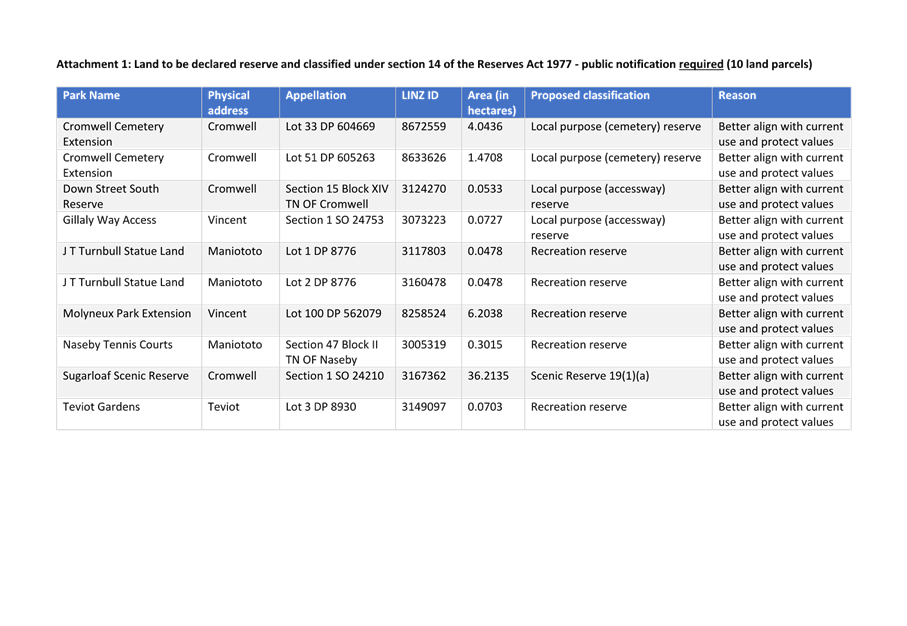
|
Council
meeting
|
30 July
2025
|
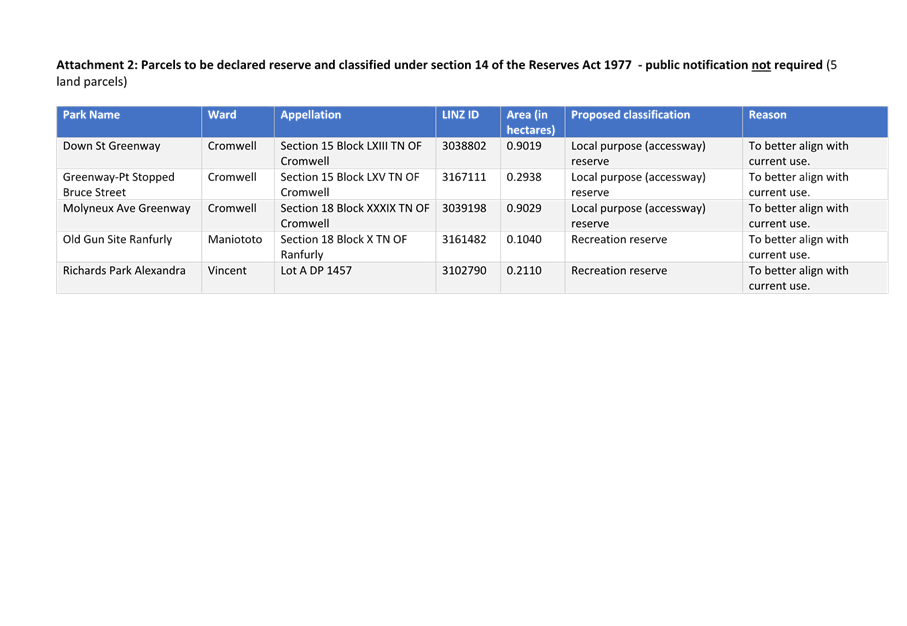
|
Council
meeting
|
30 July
2025
|
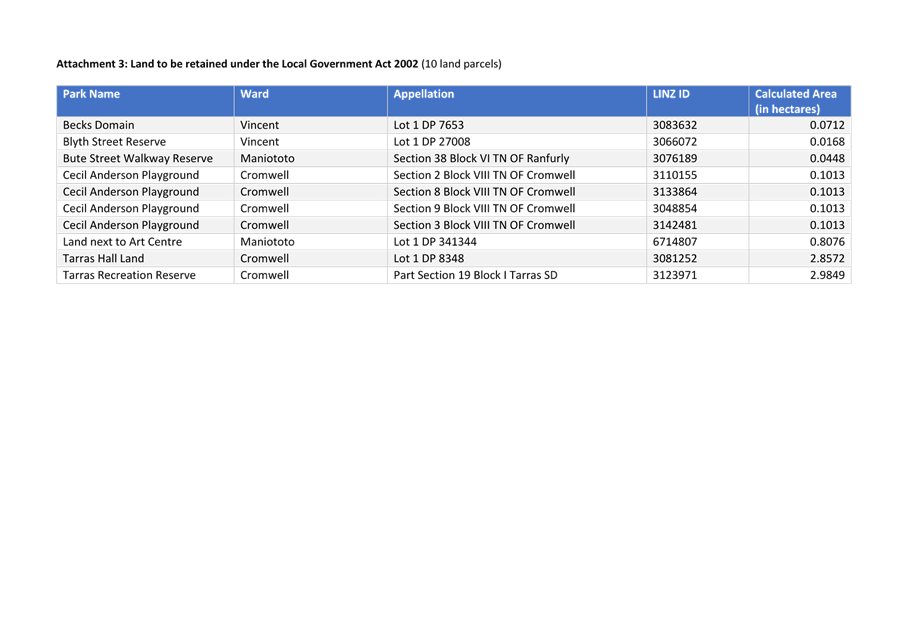
|
Council
meeting
|
30 July
2025
|
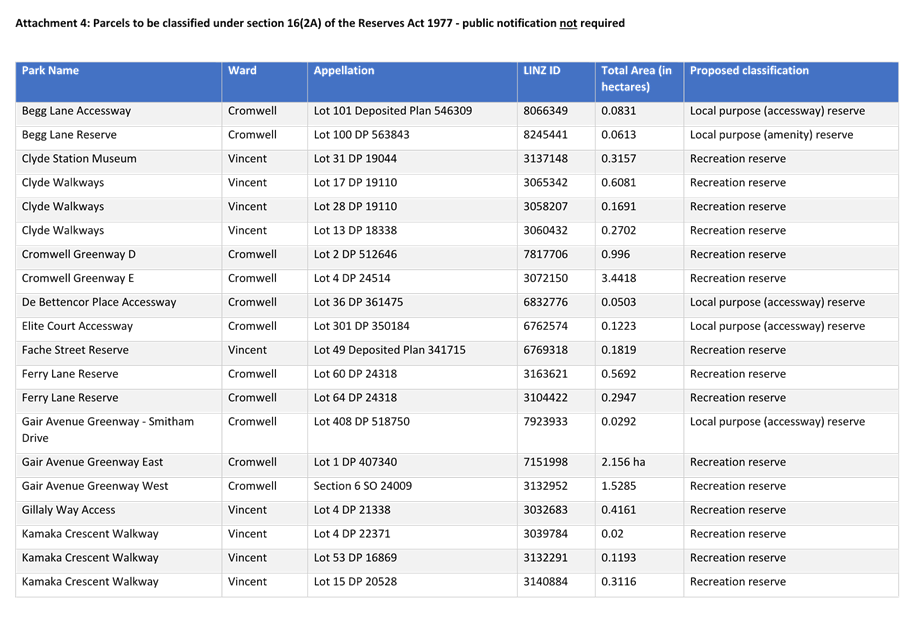
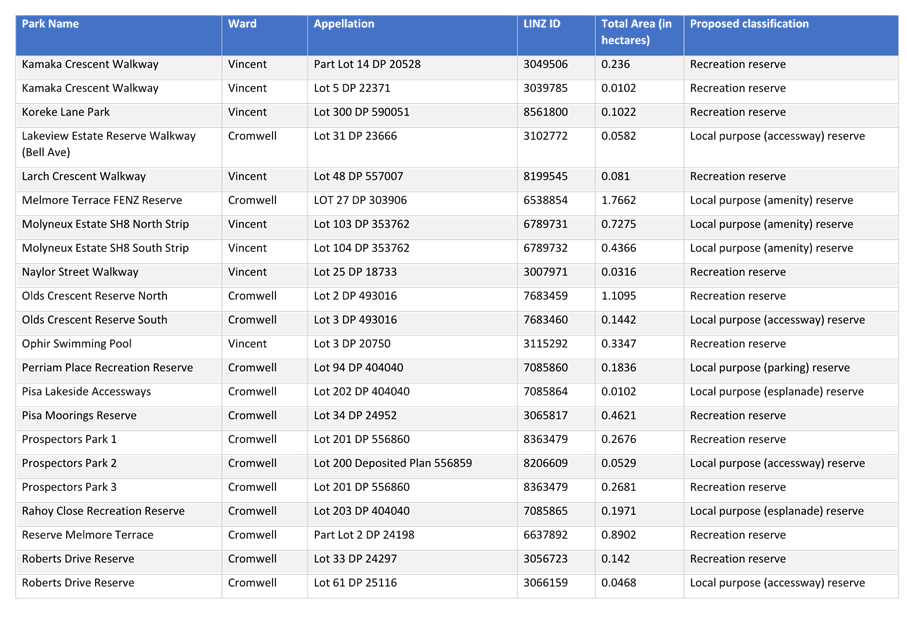
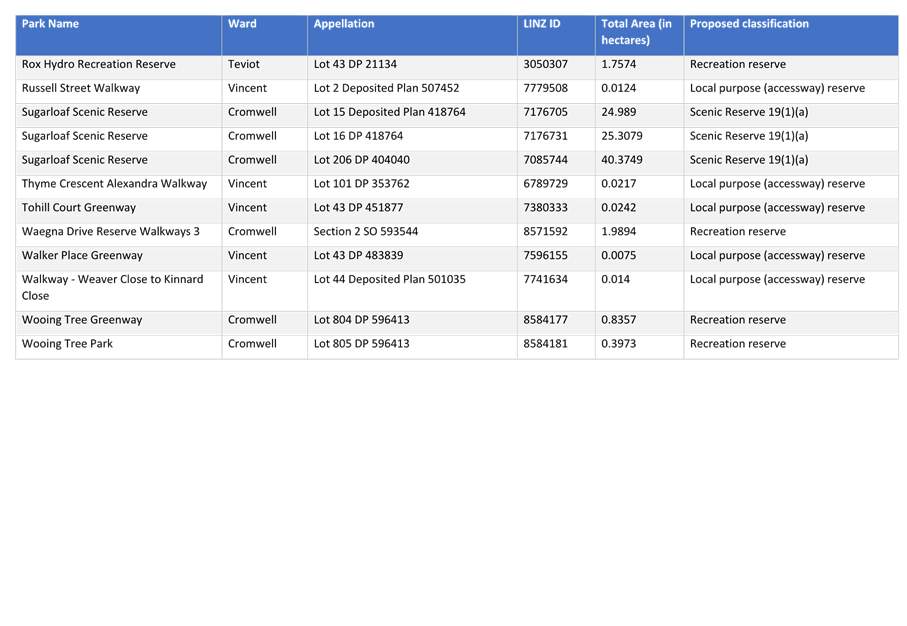
|
Council
meeting
|
30 July
2025
|
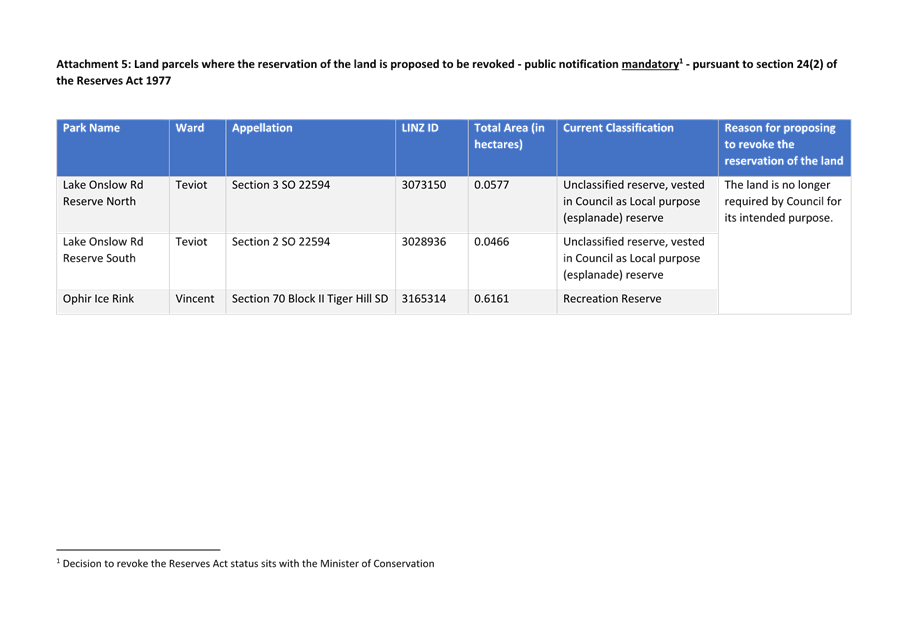
|
Council
meeting
|
30 July
2025
|
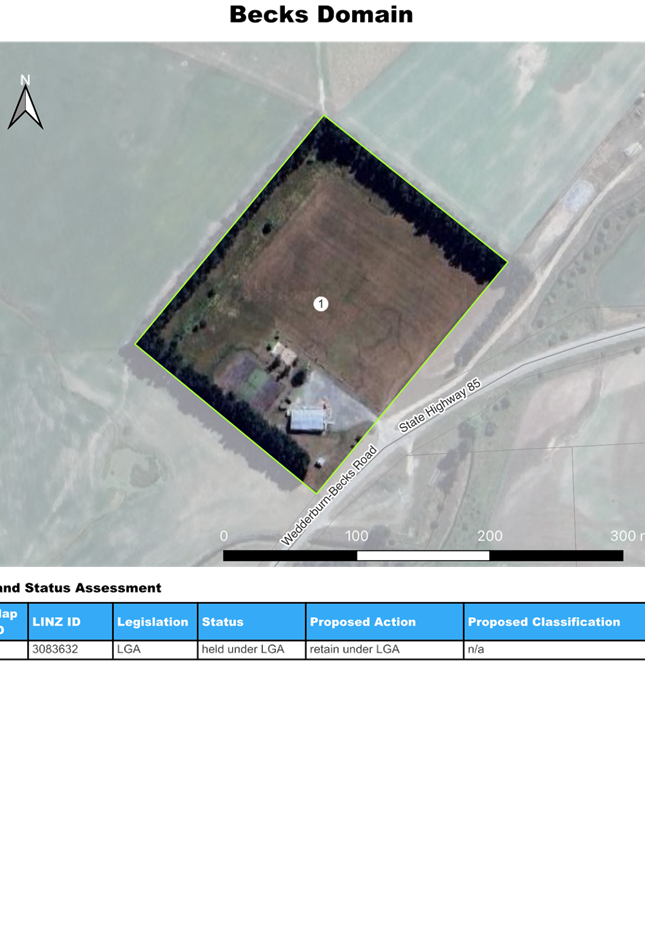
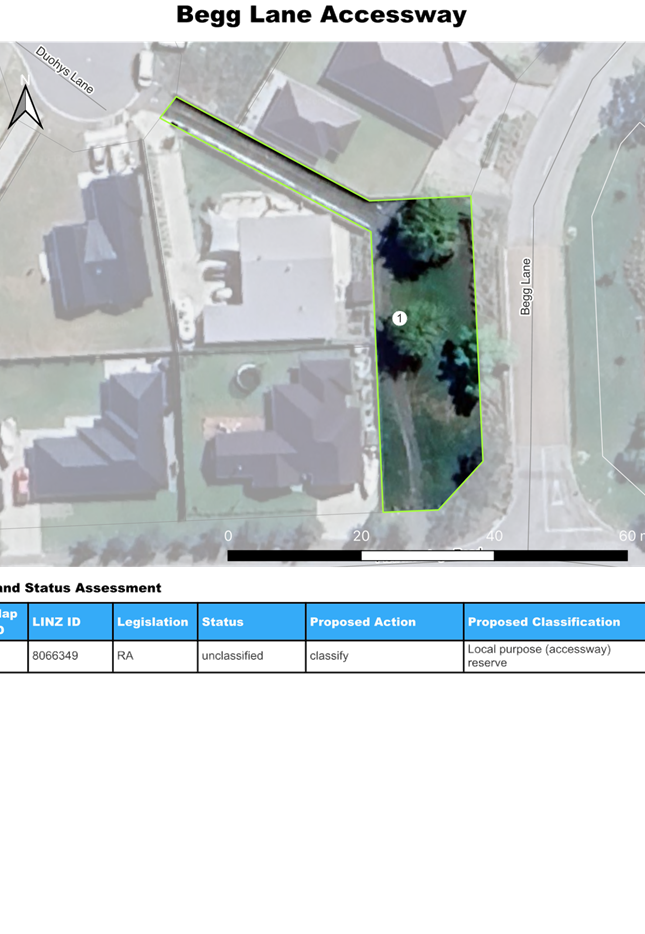
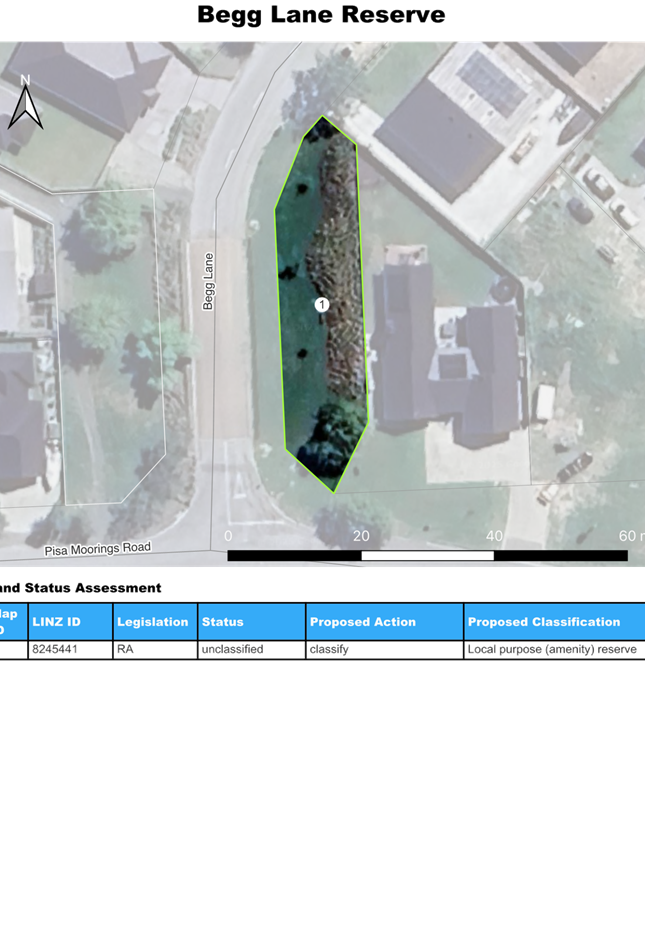
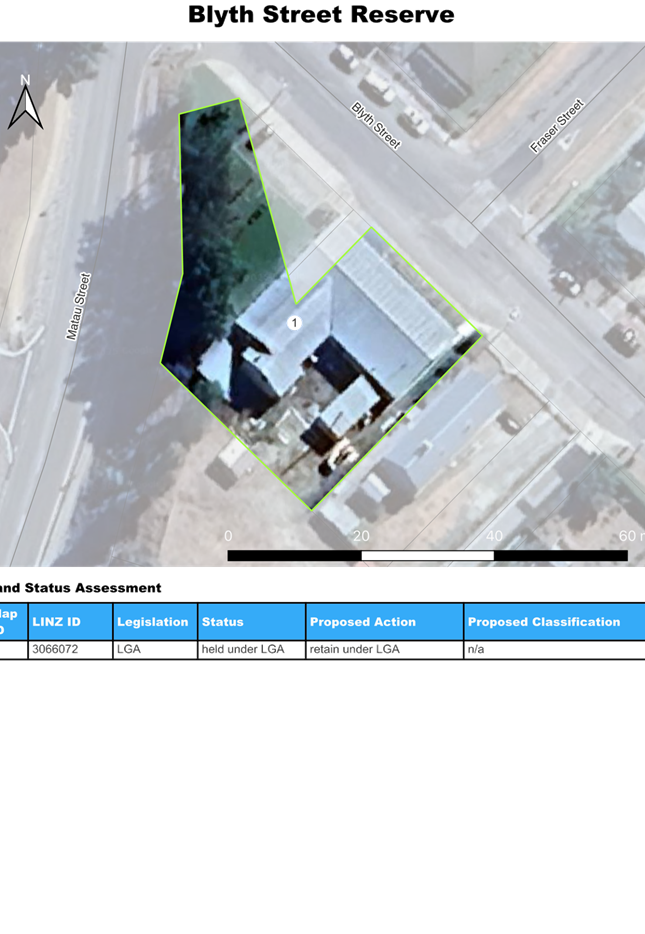
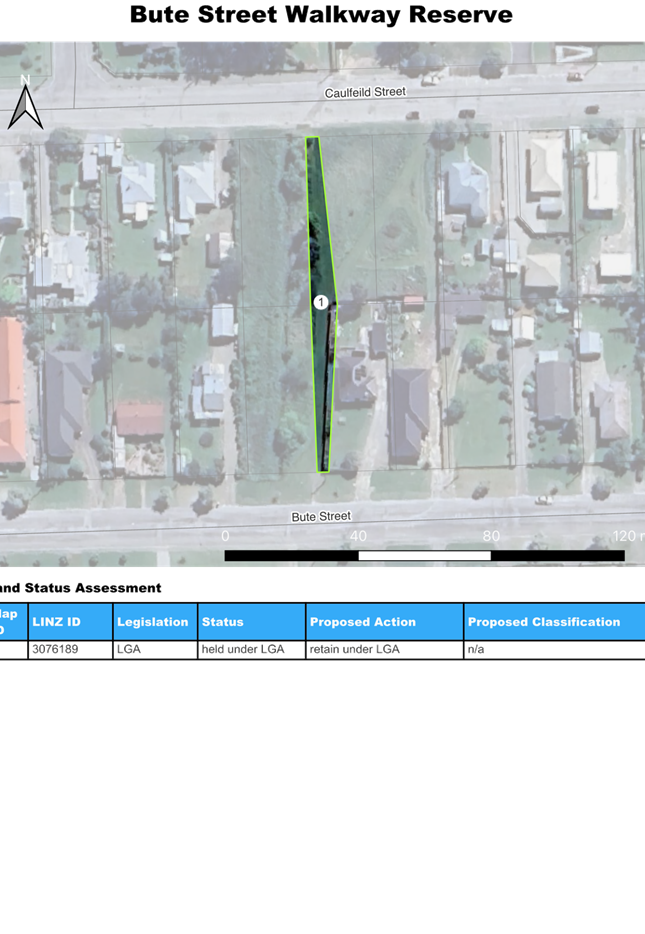
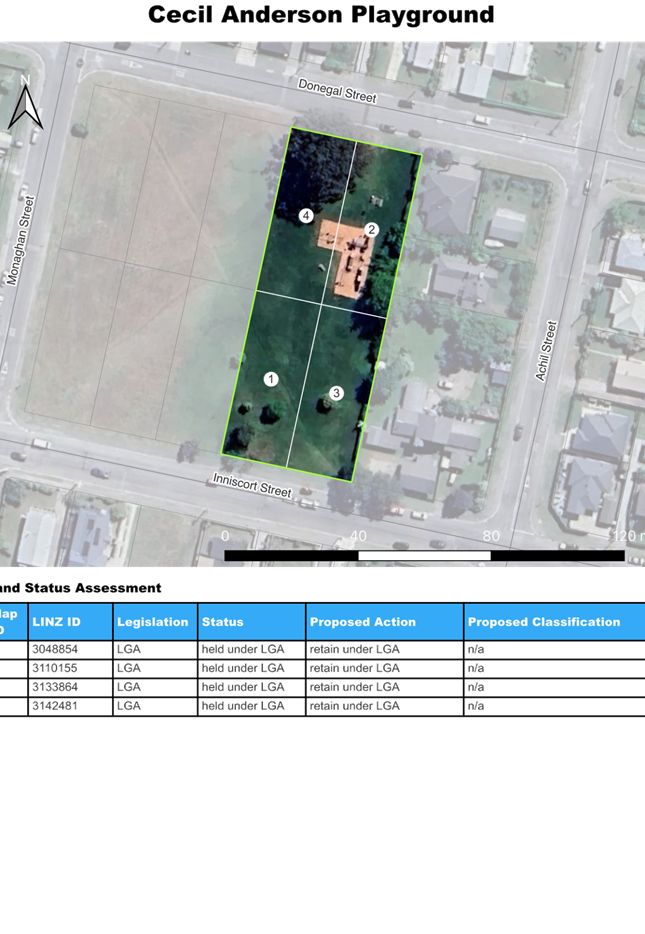
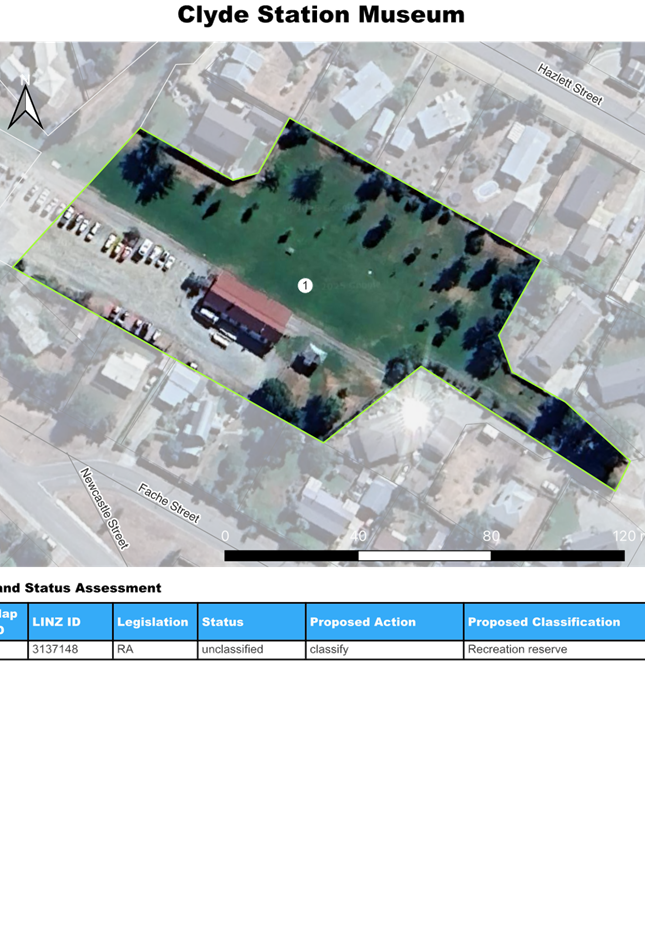
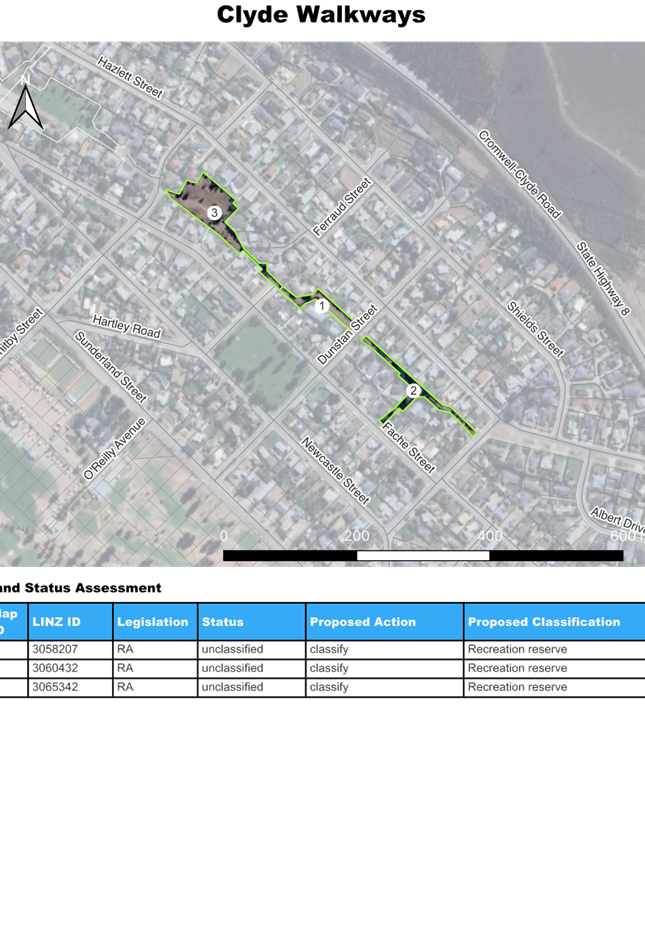
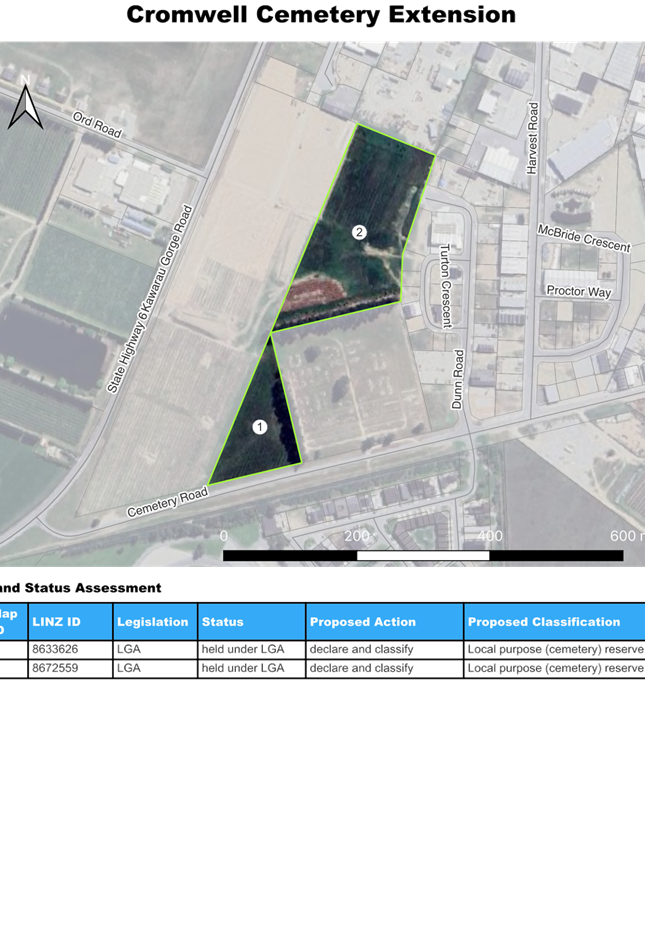
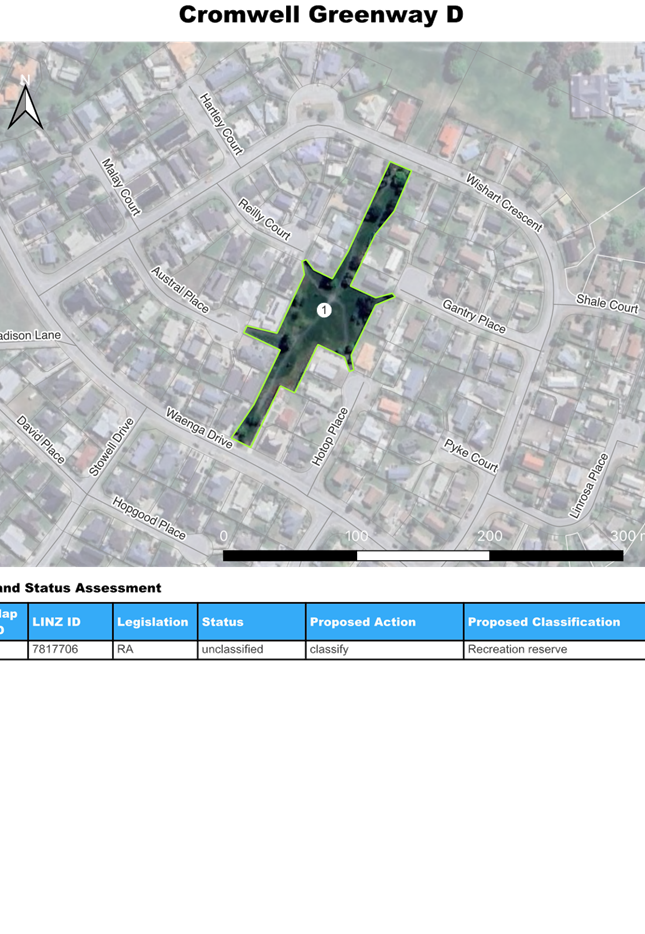
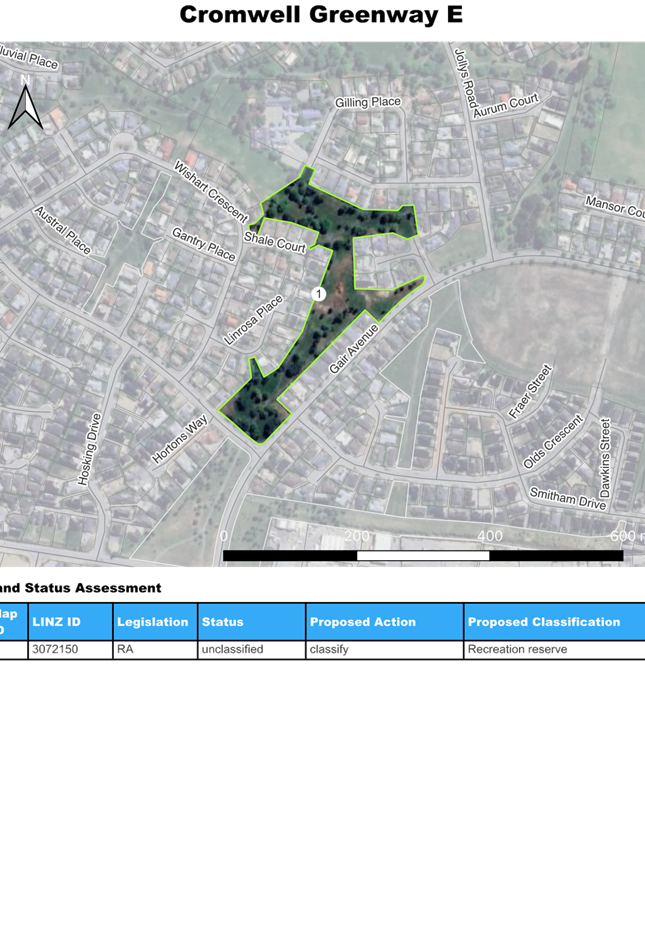
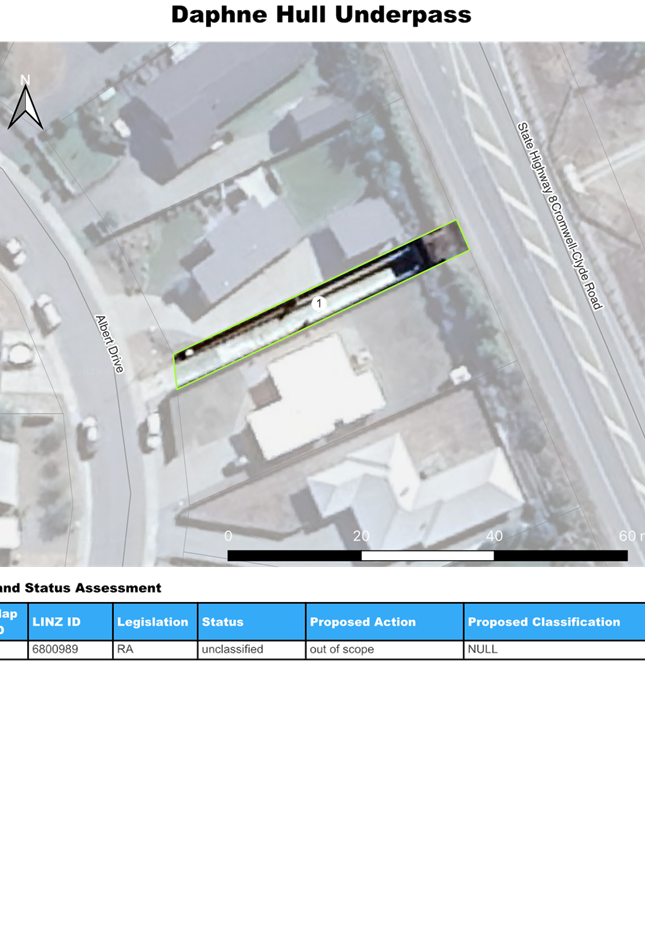
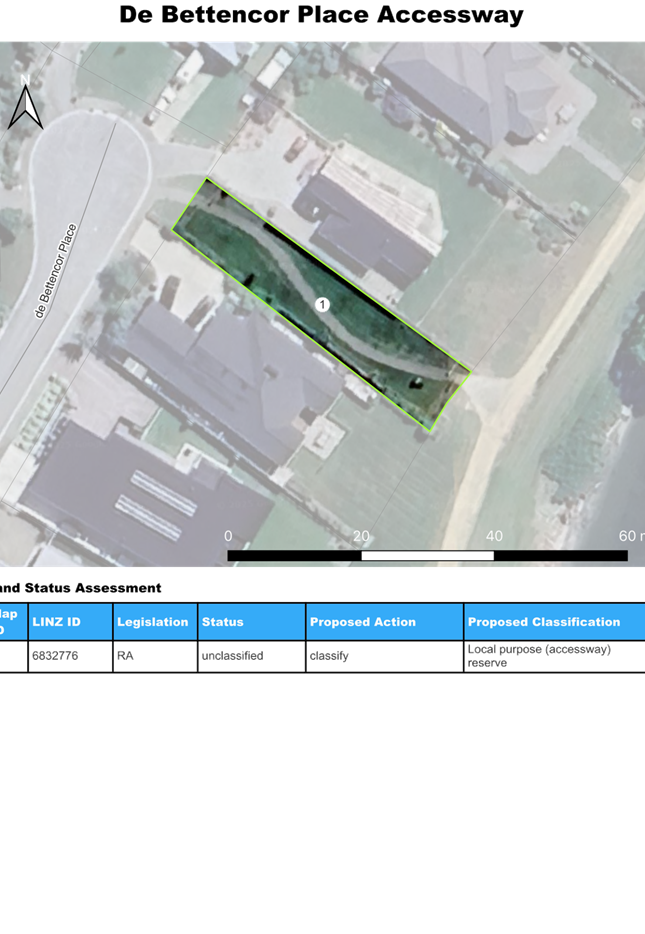
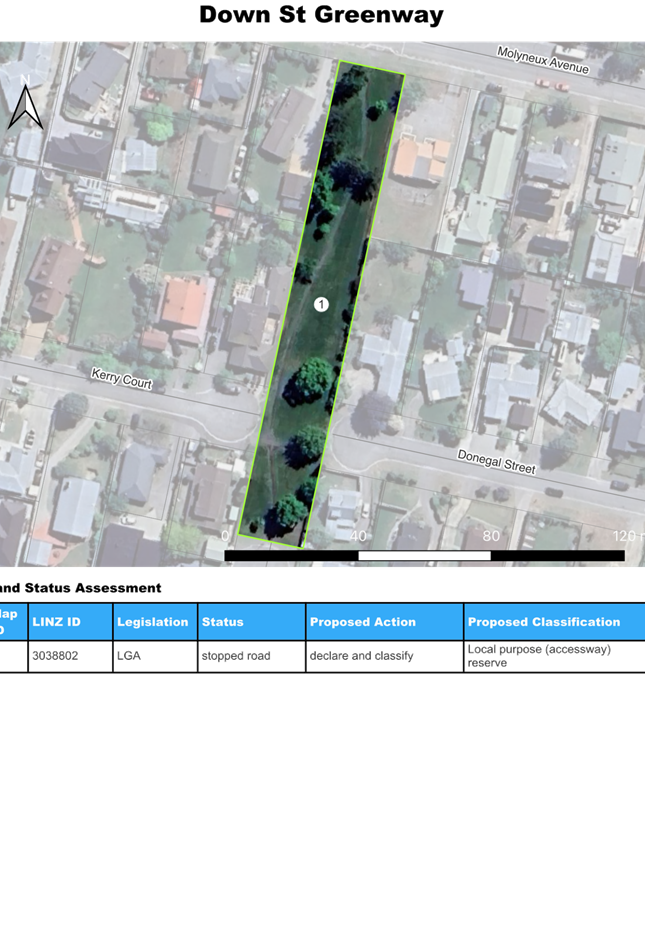
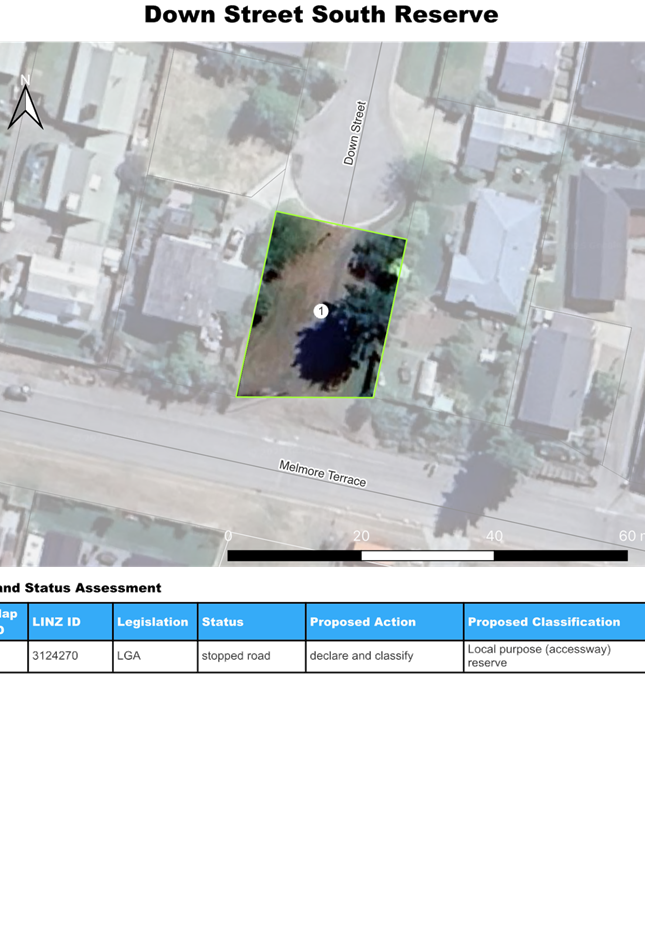
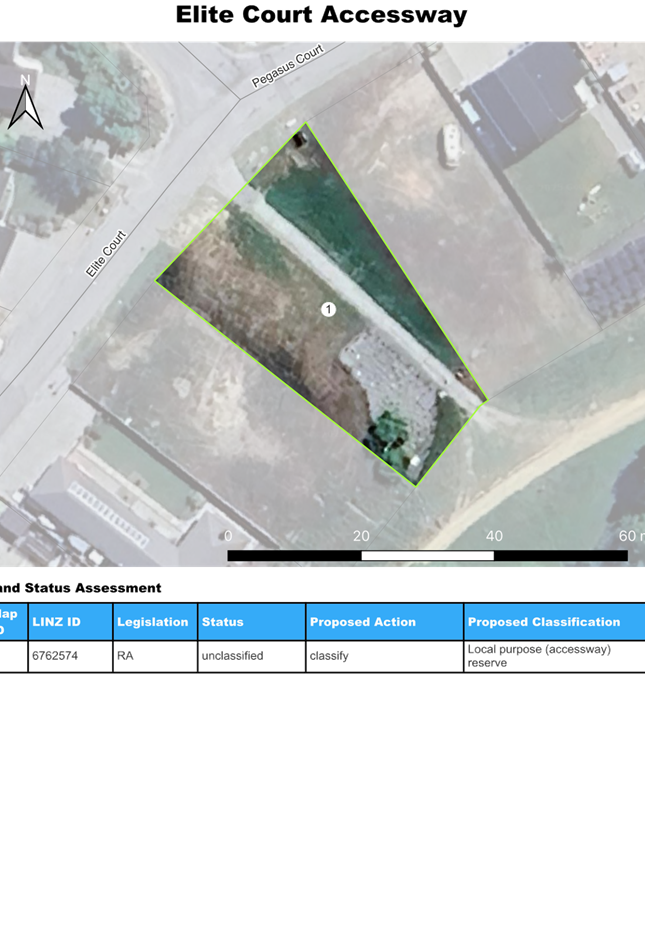
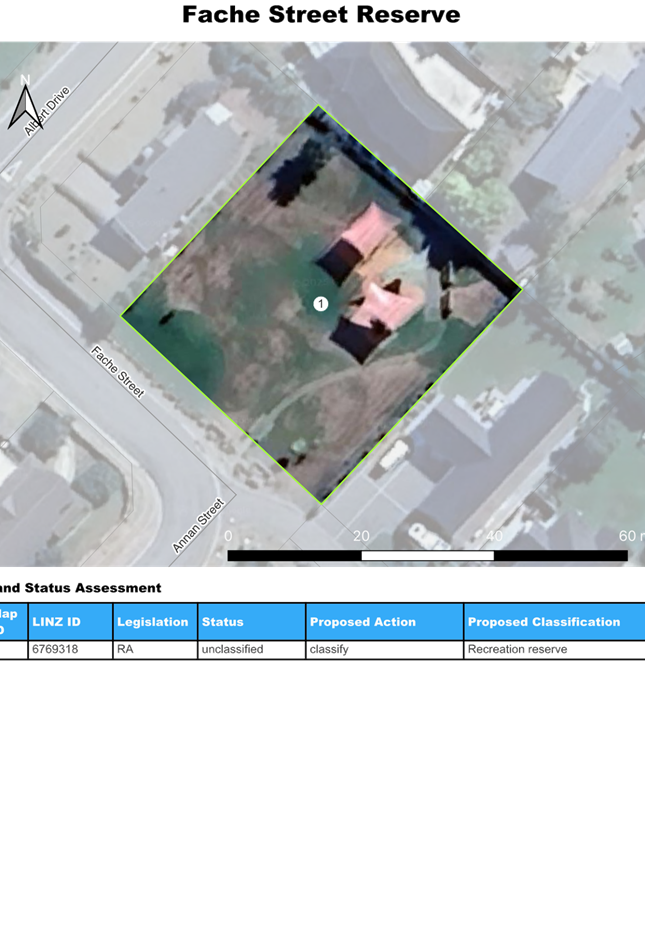
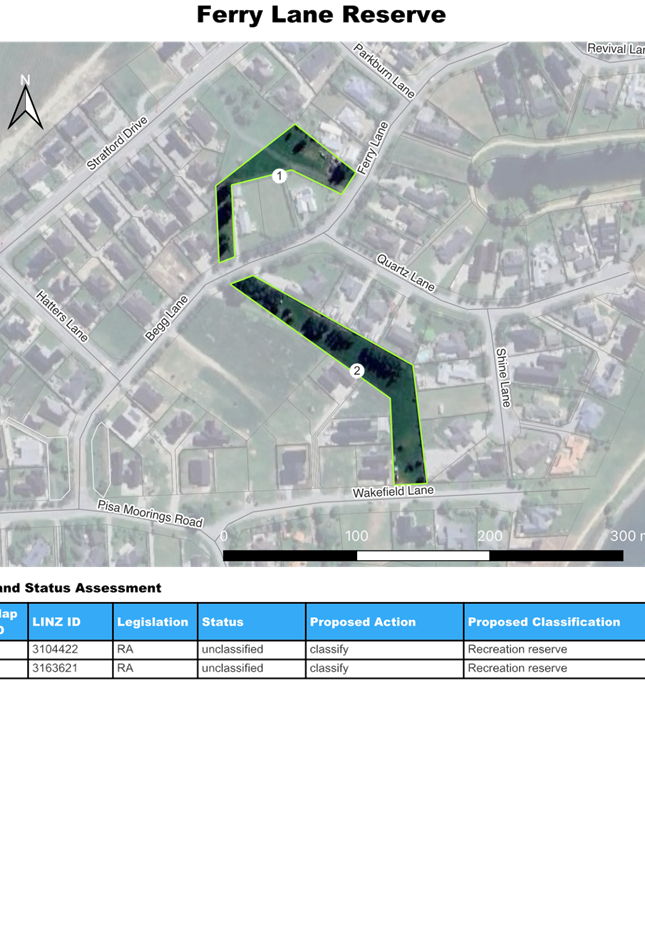
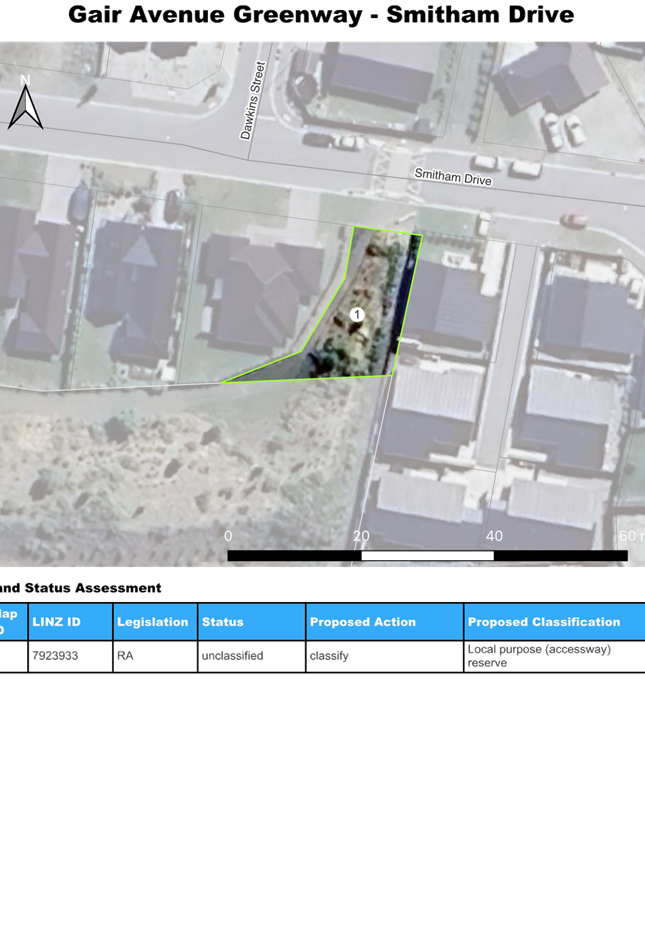
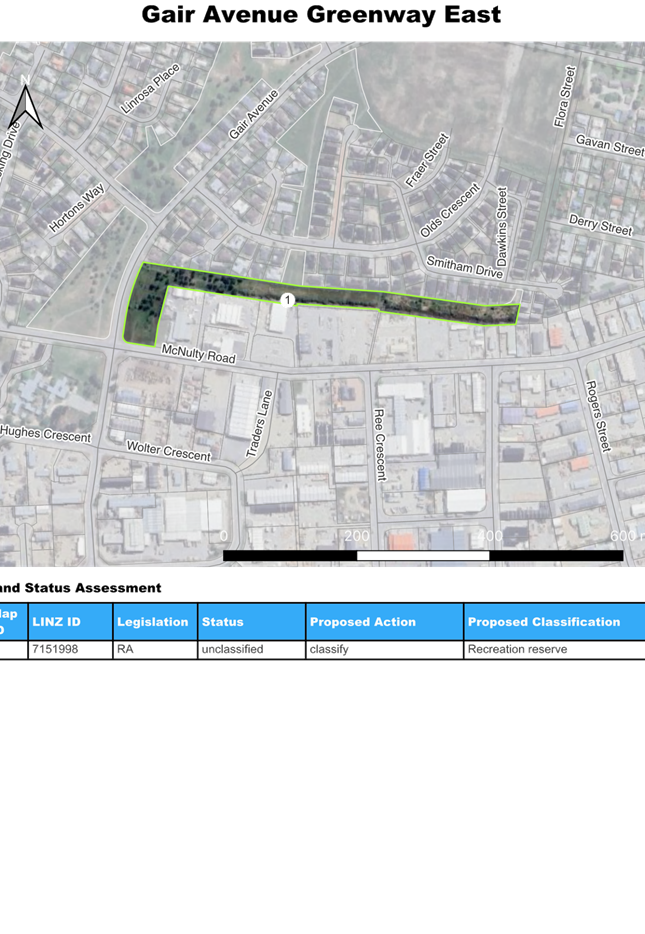
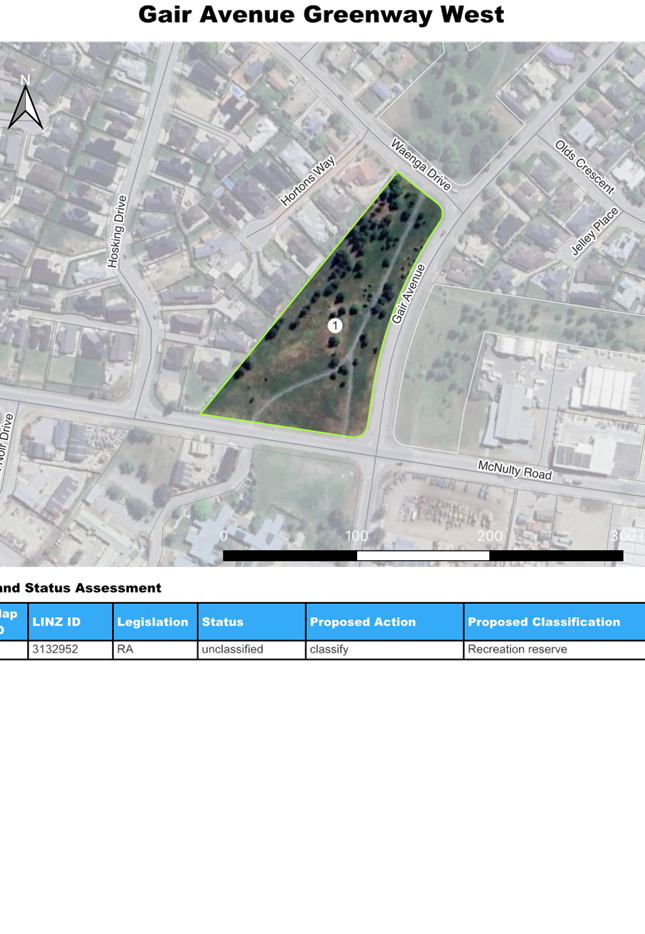
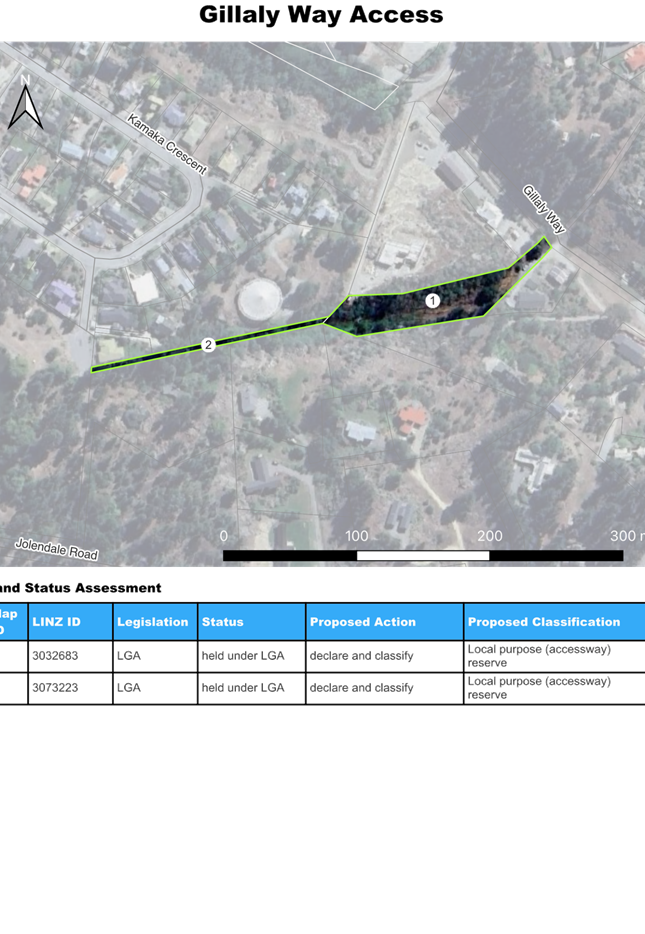
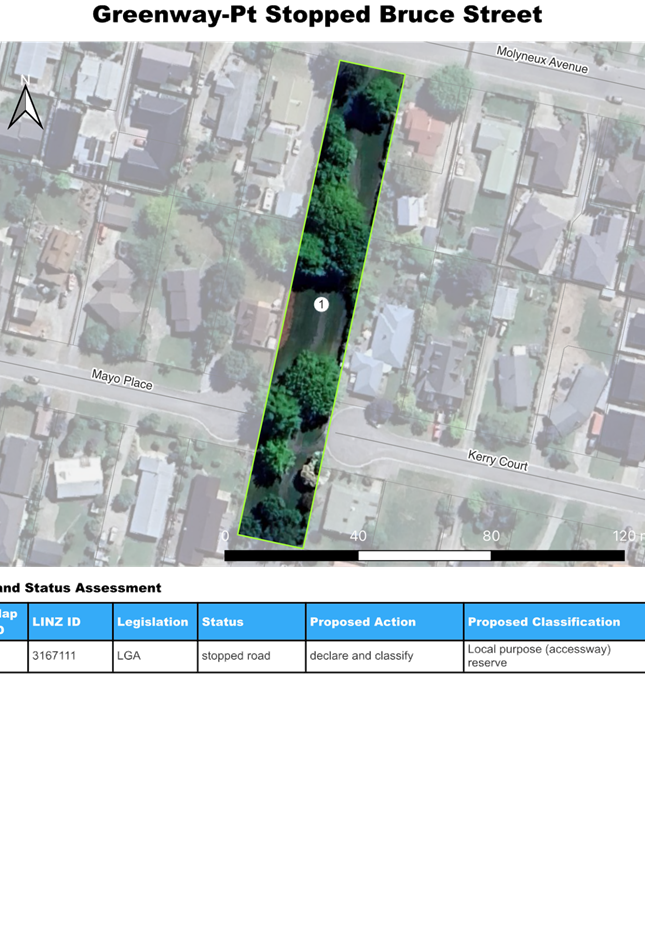
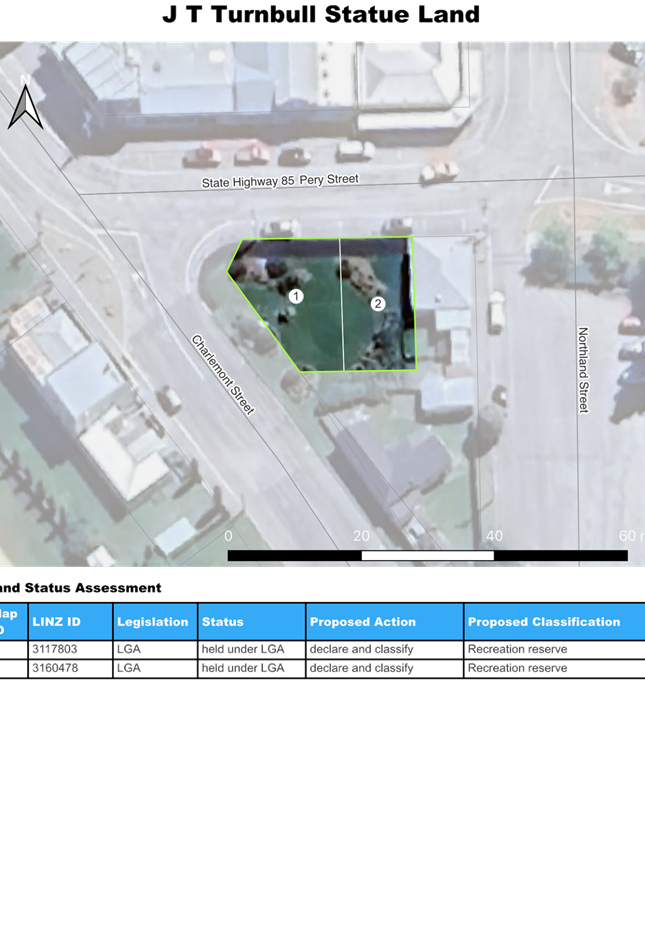
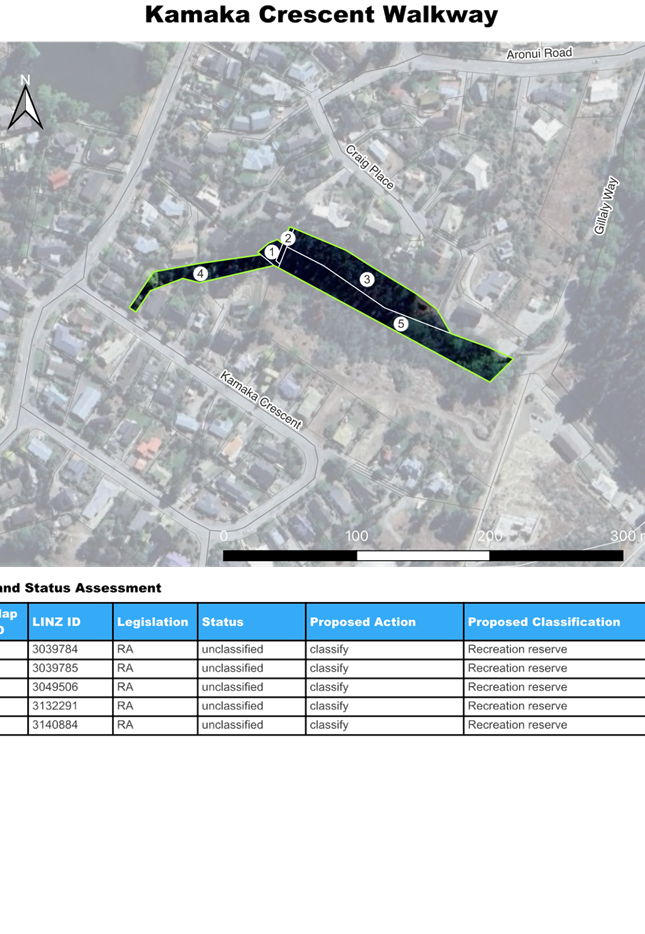
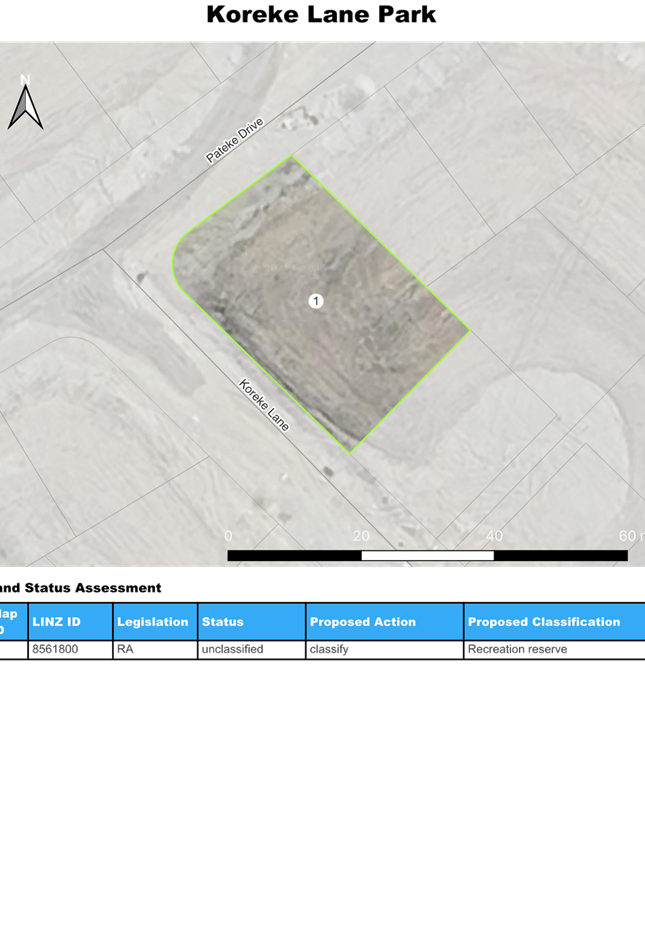
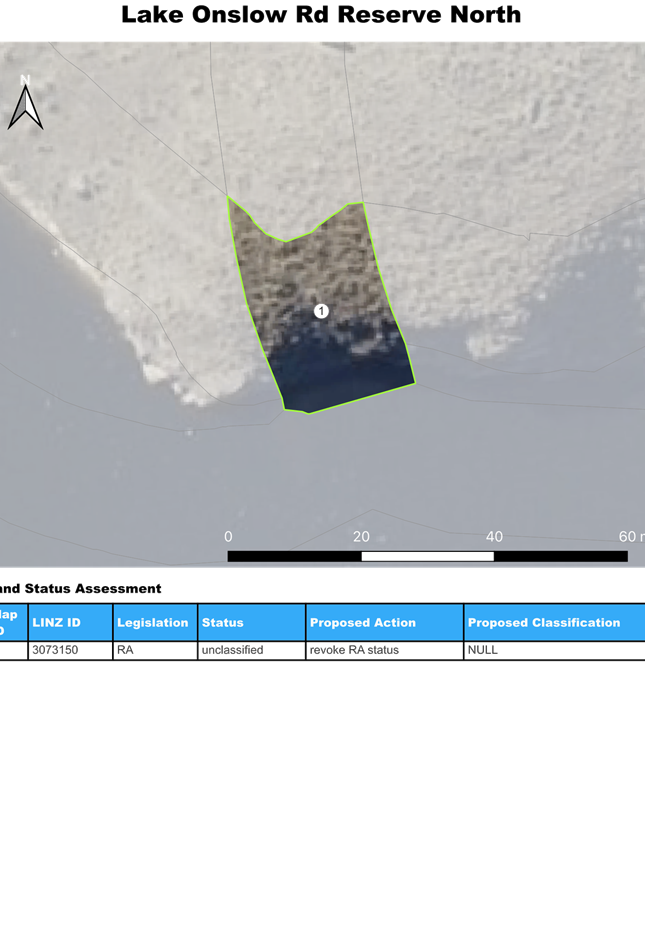
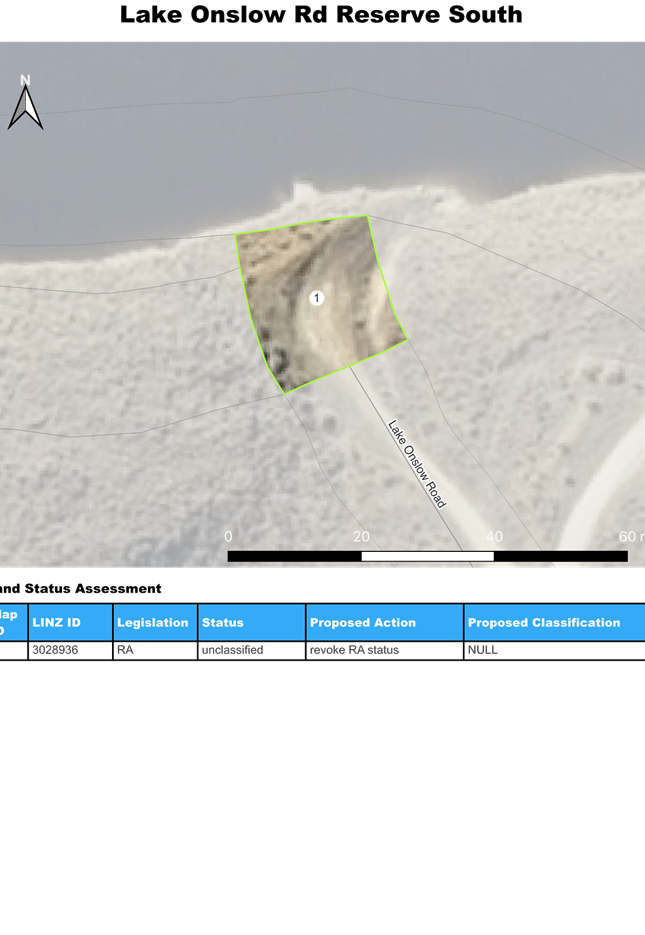
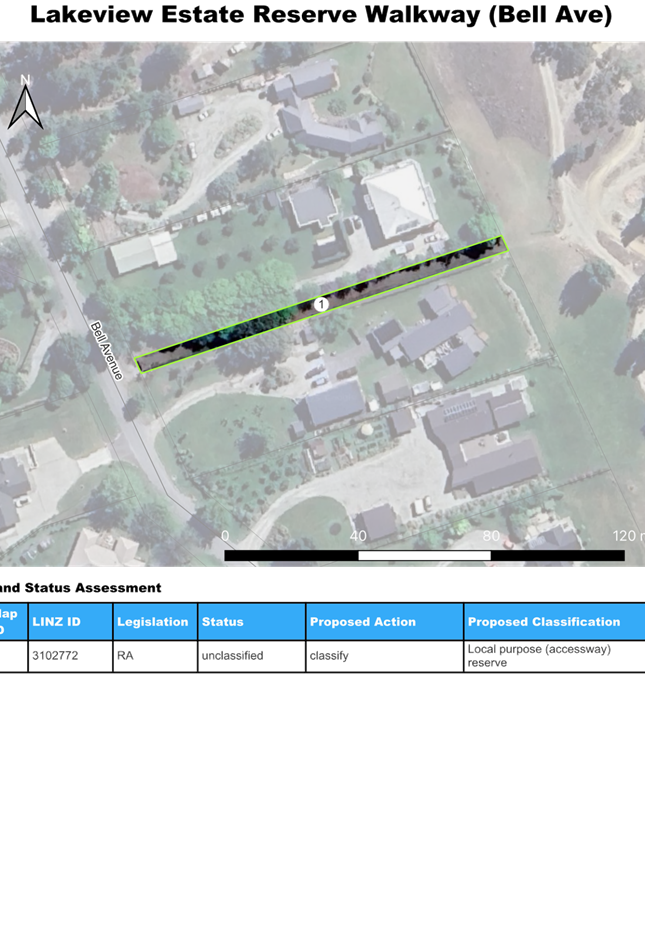
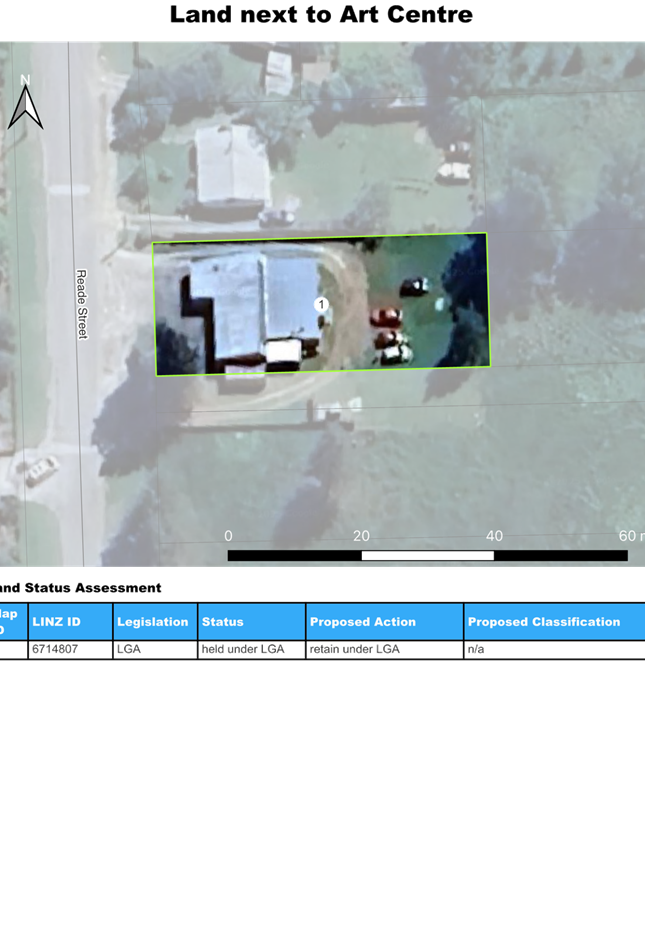
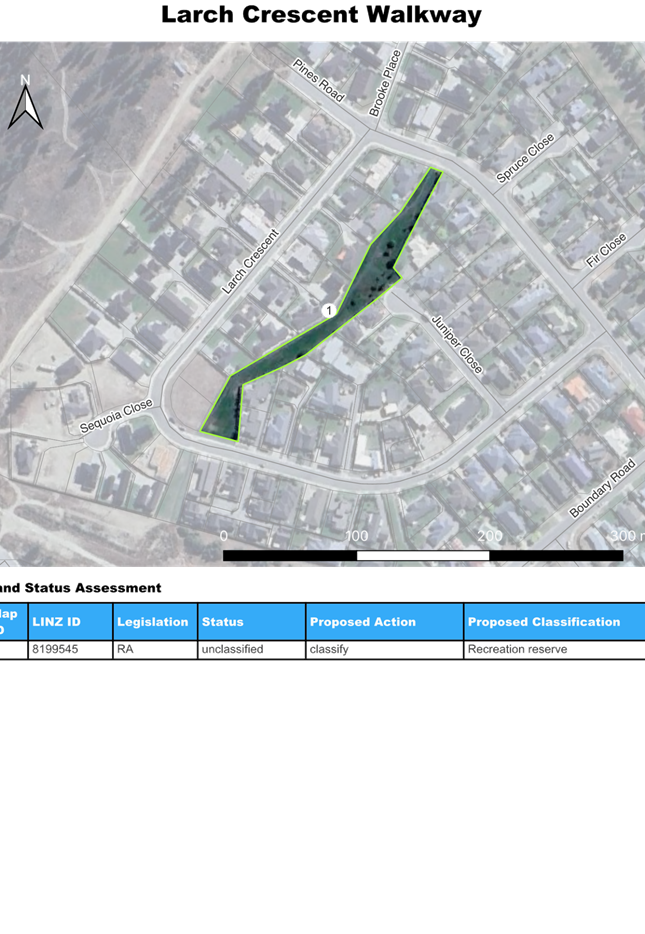
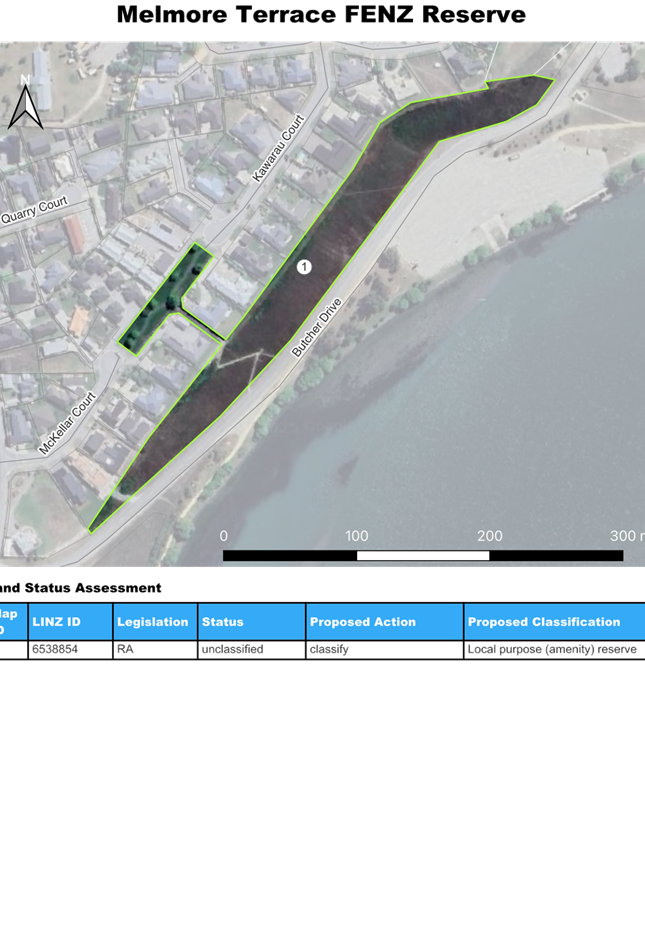
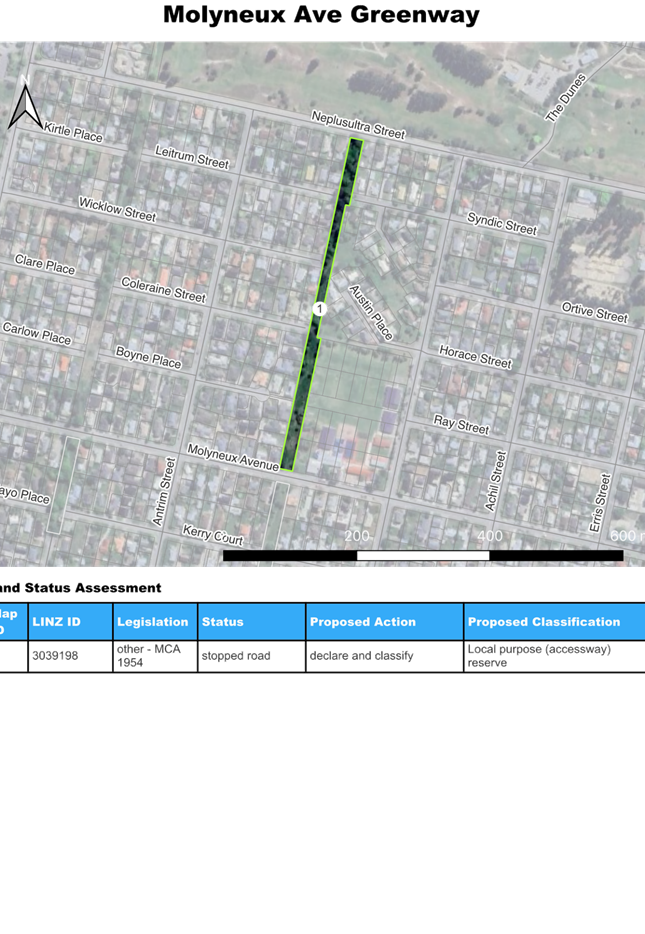
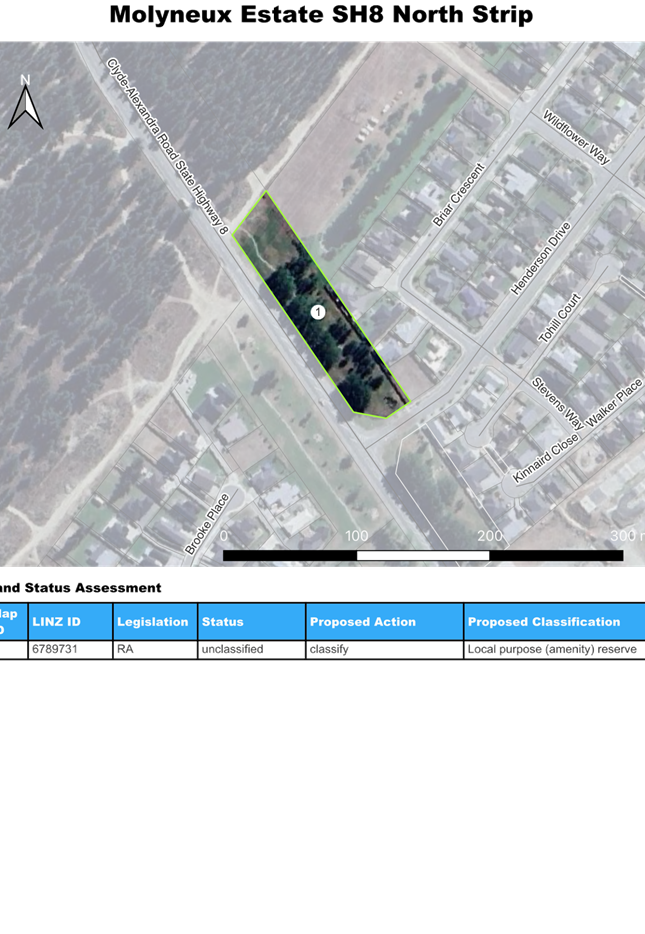
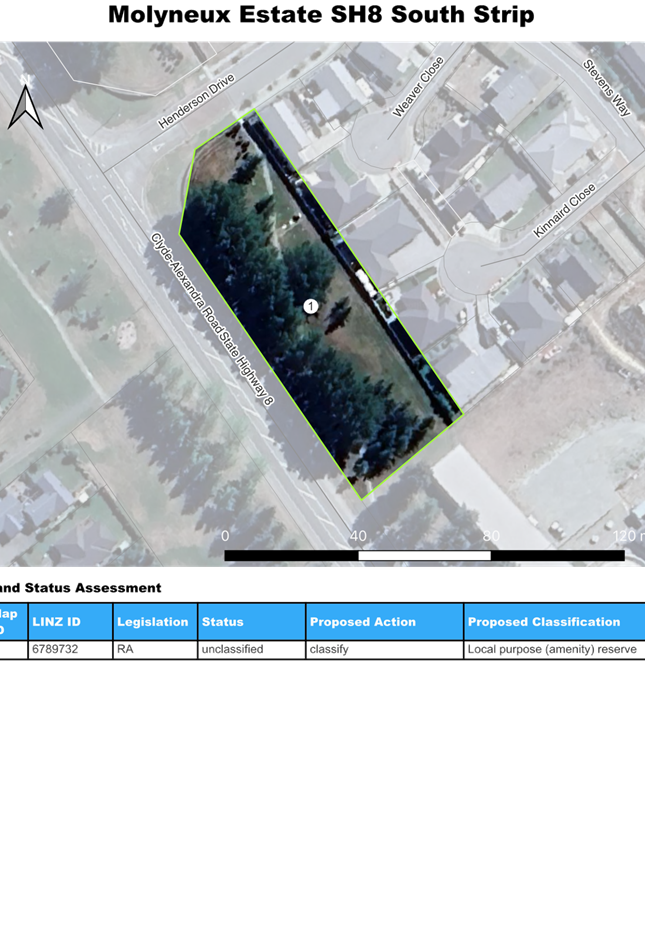
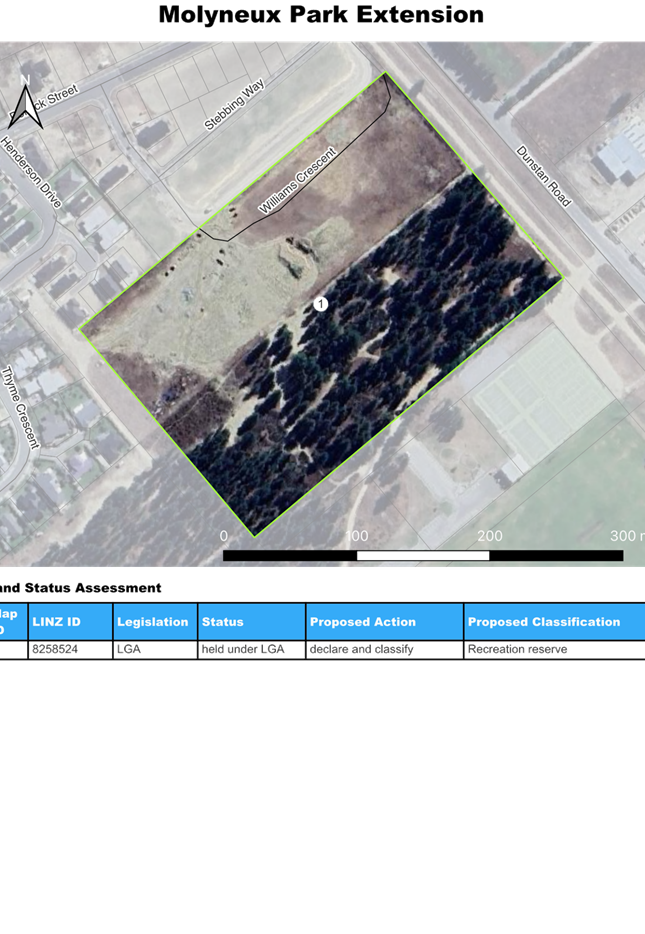
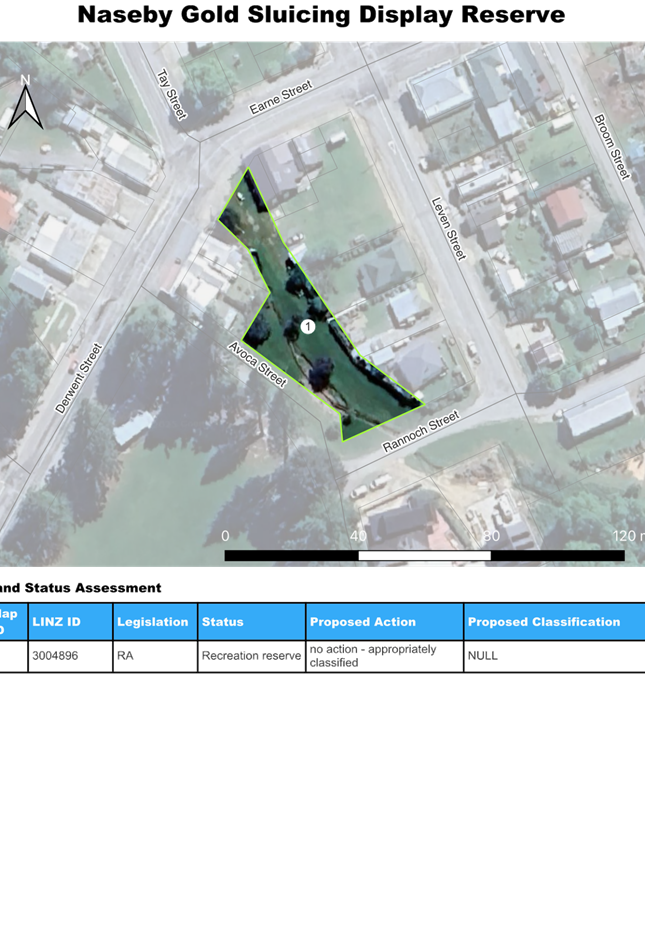
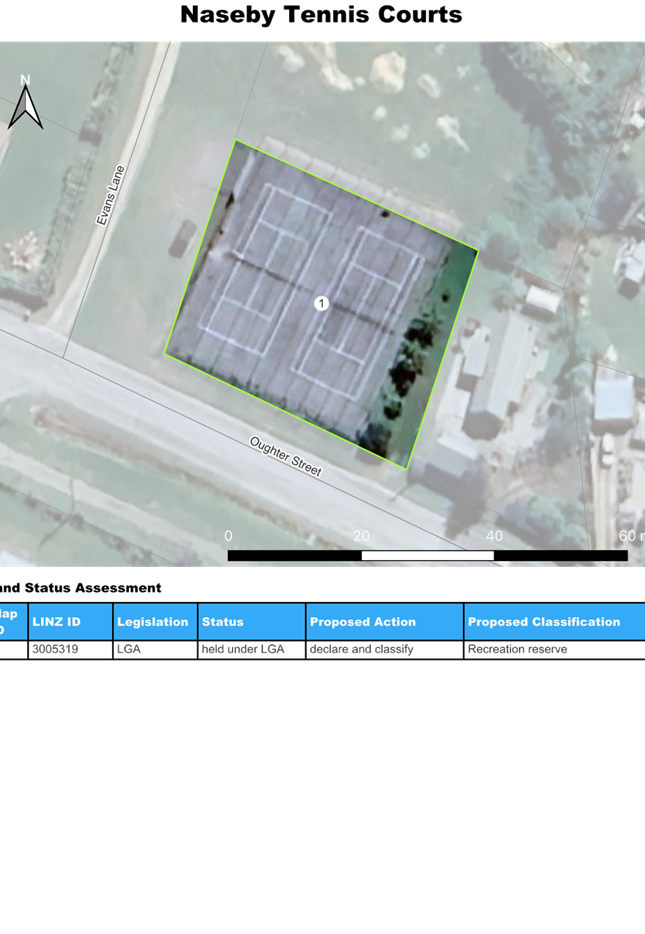
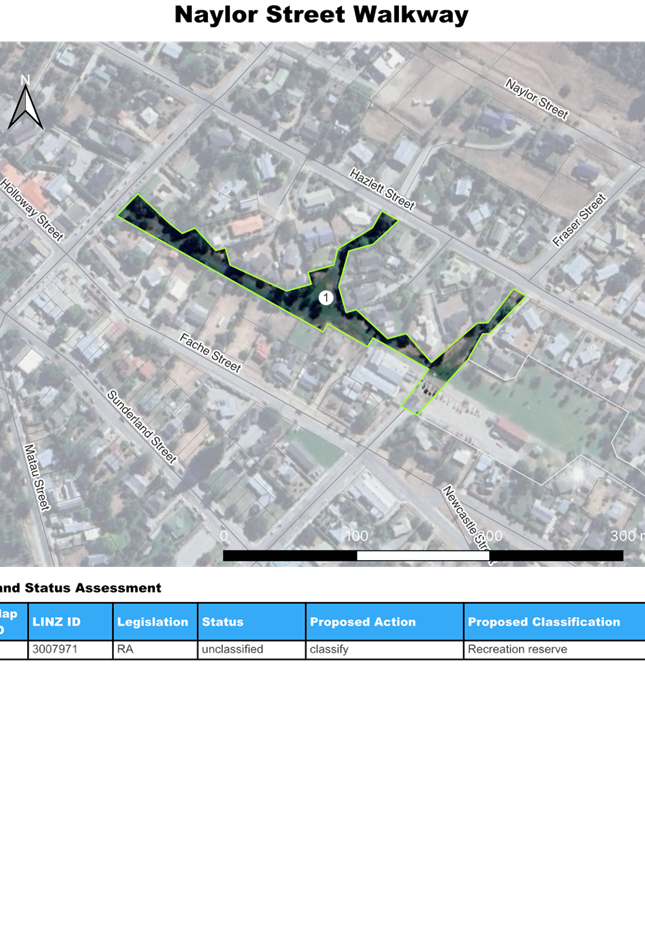
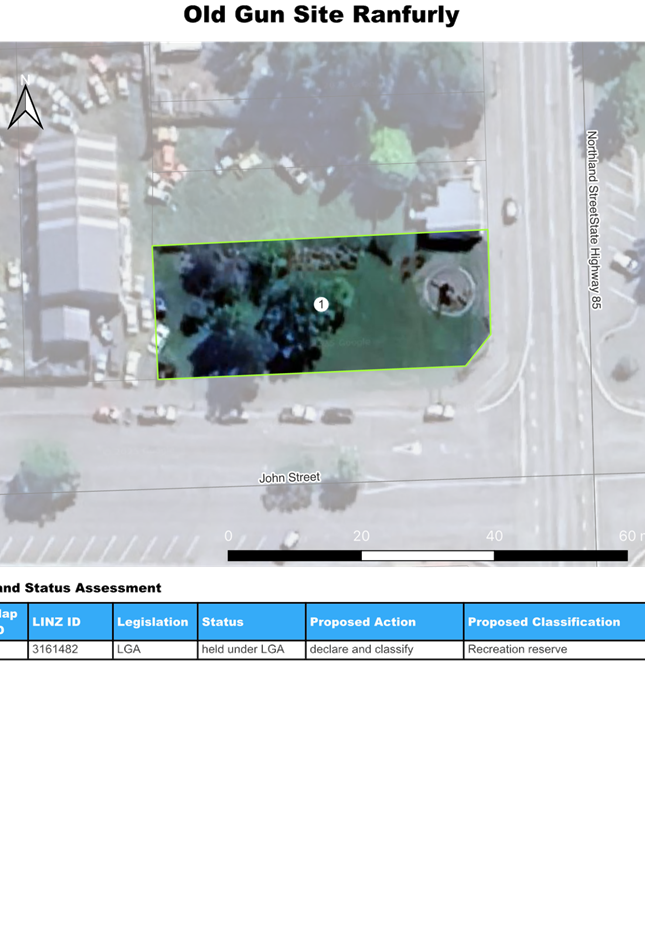
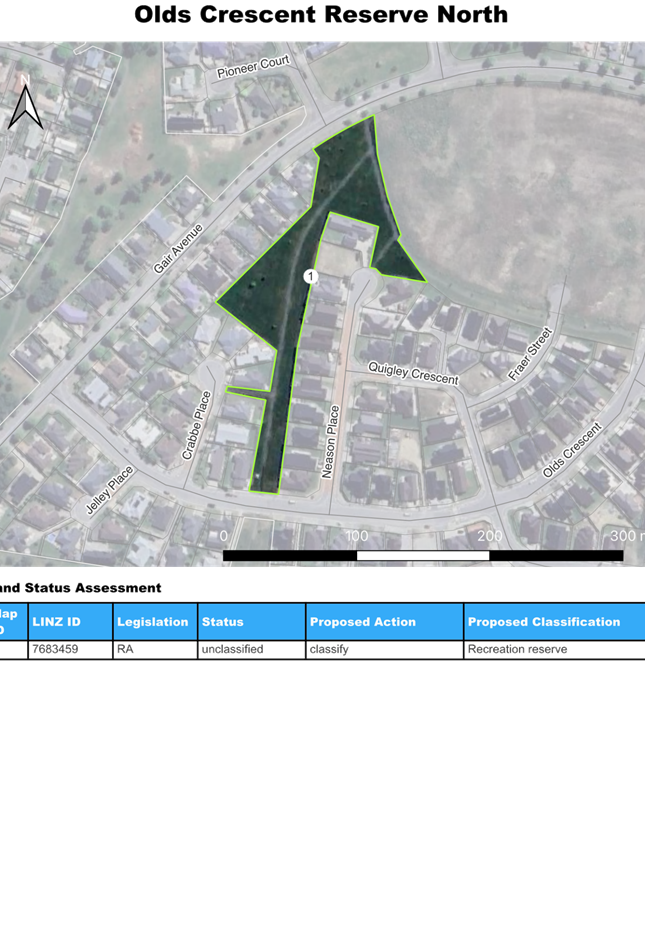
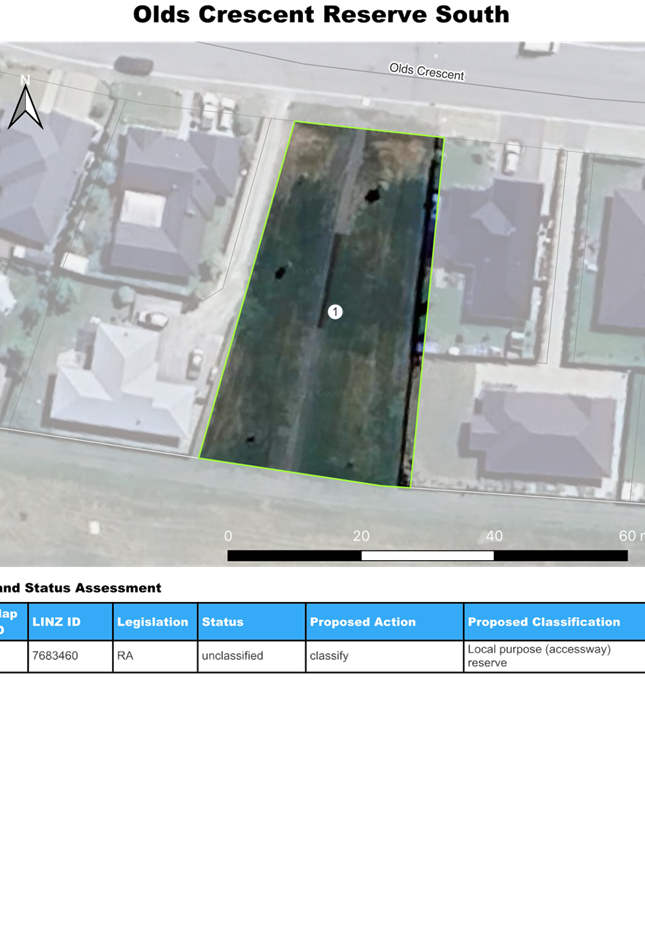
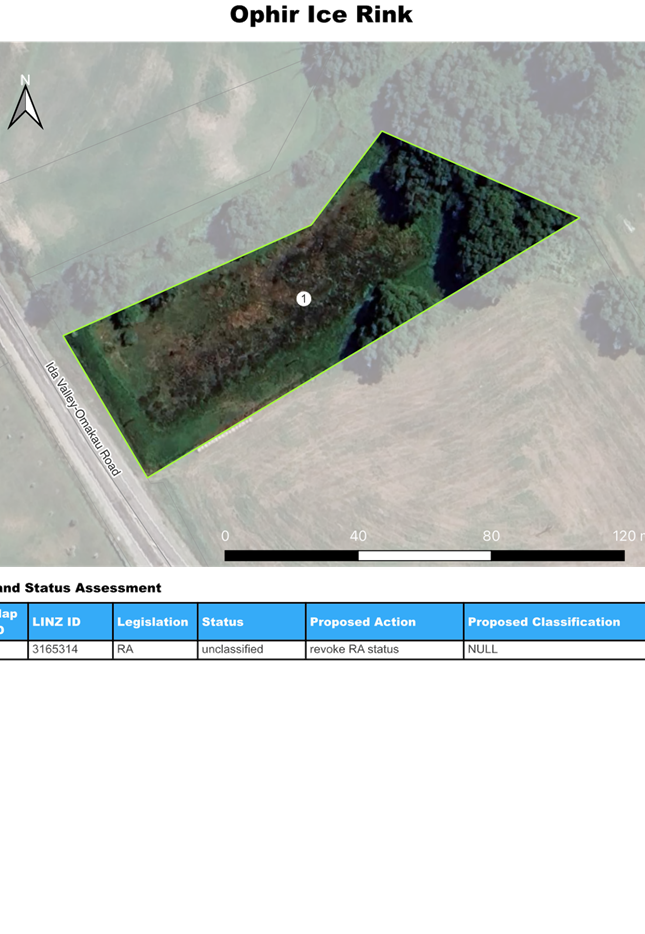
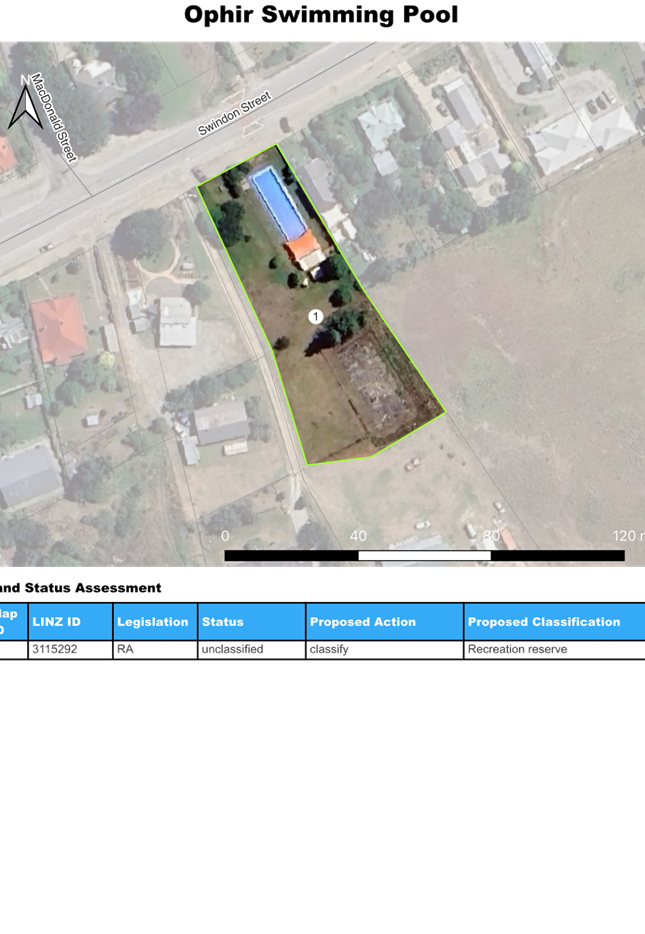
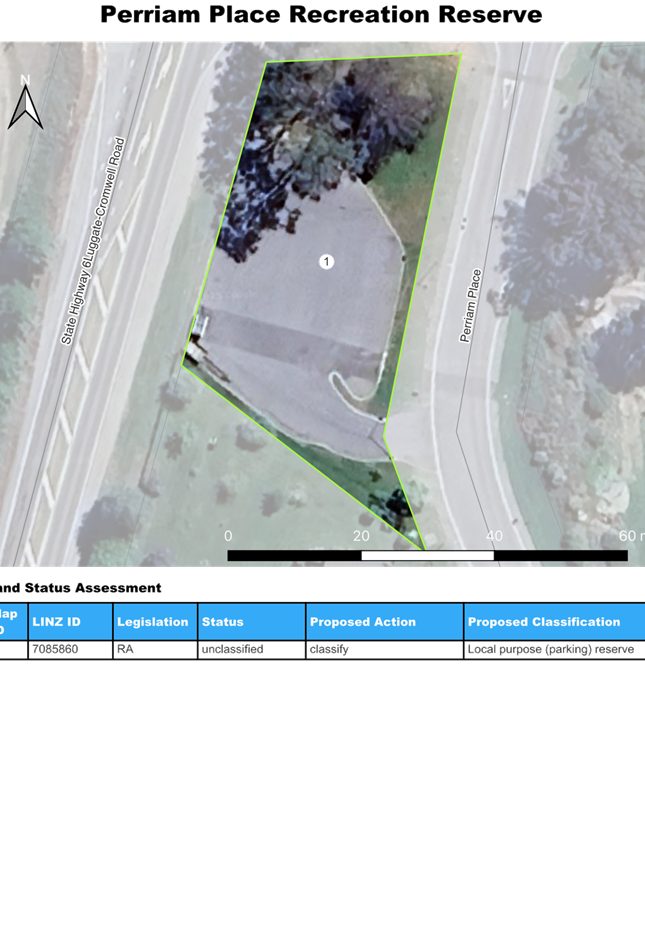
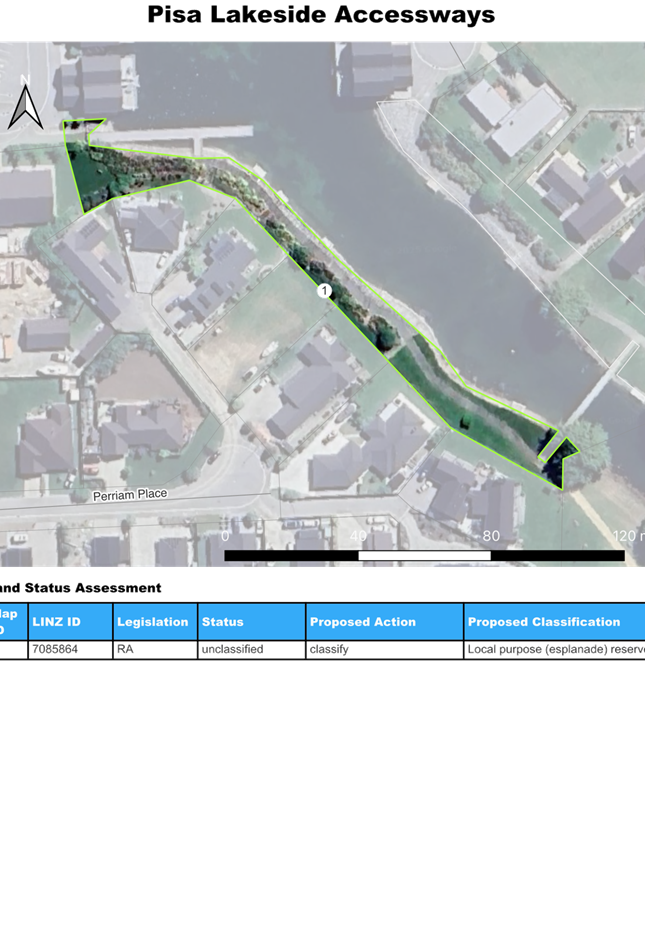
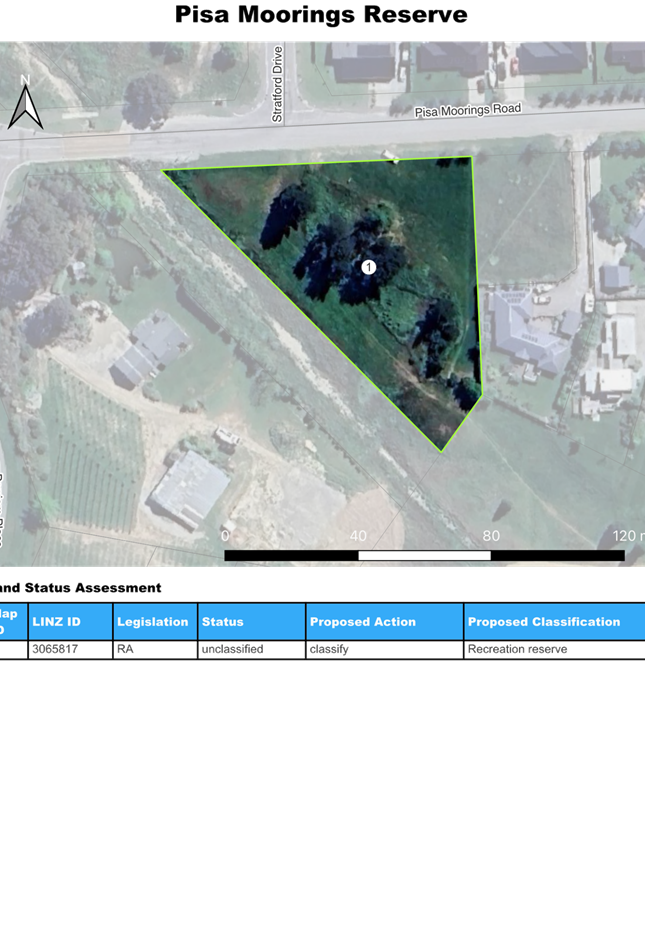
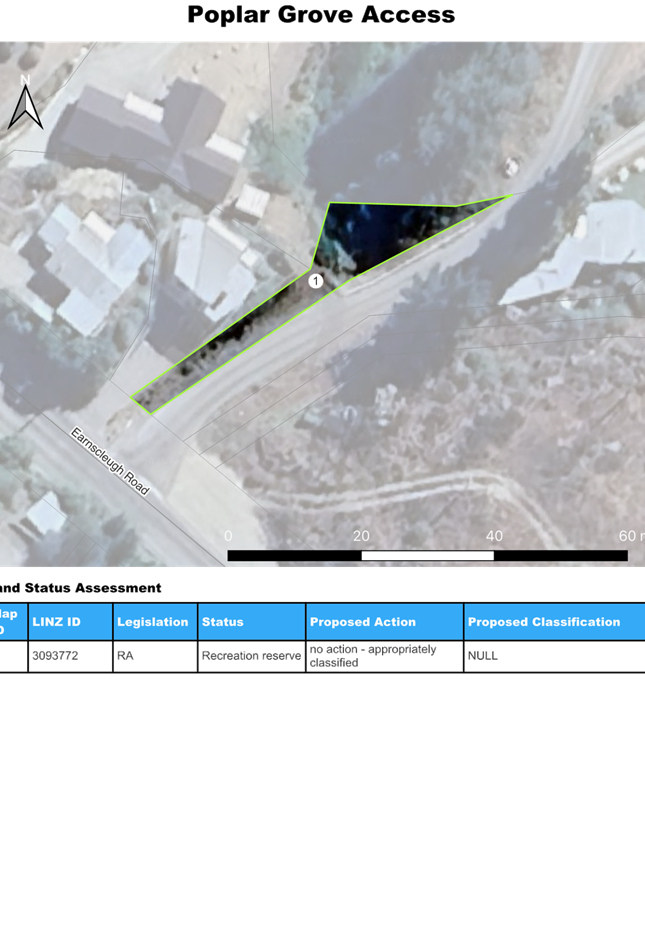
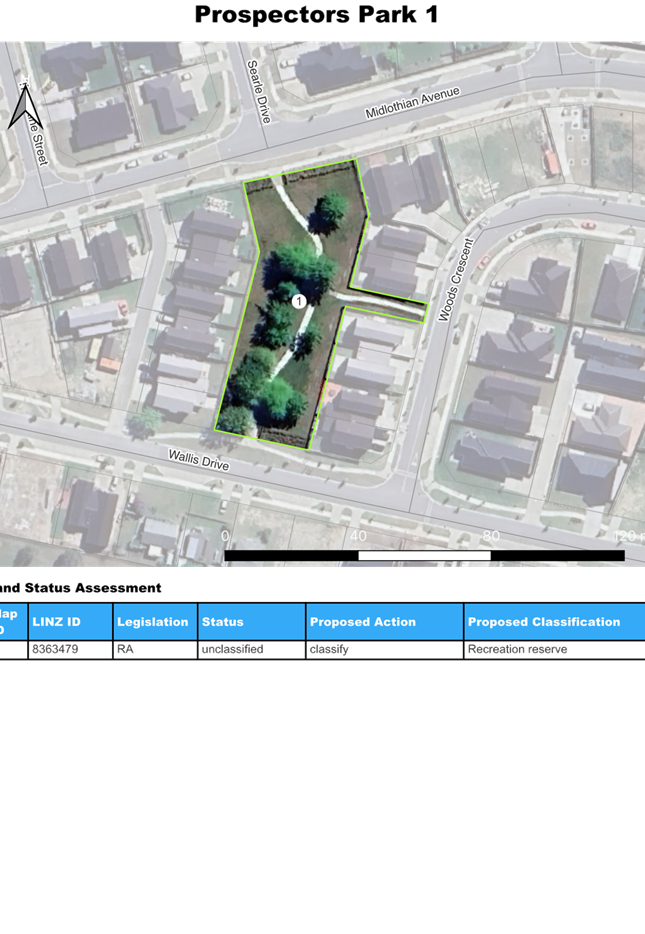
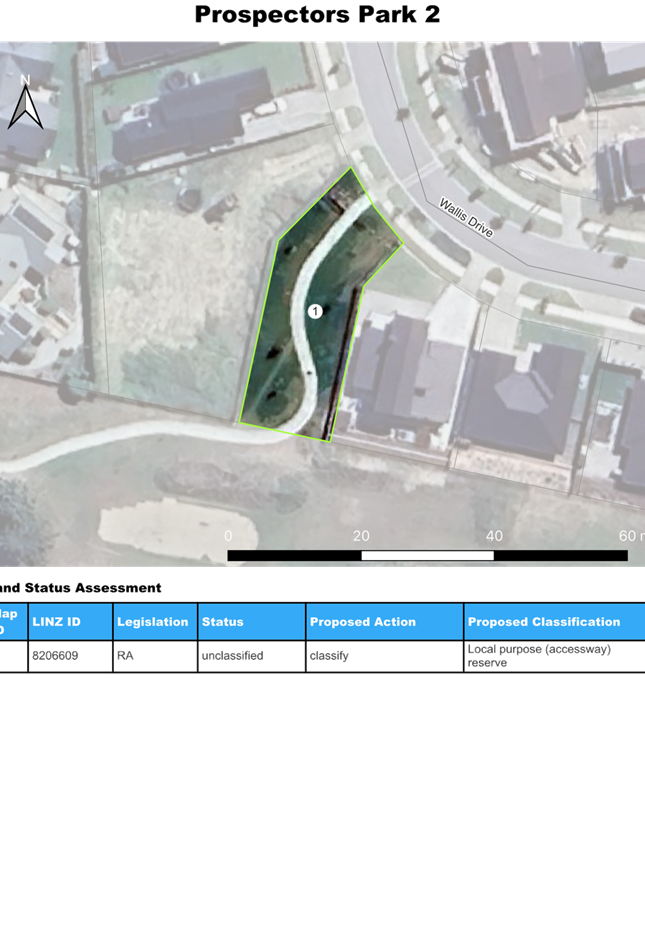
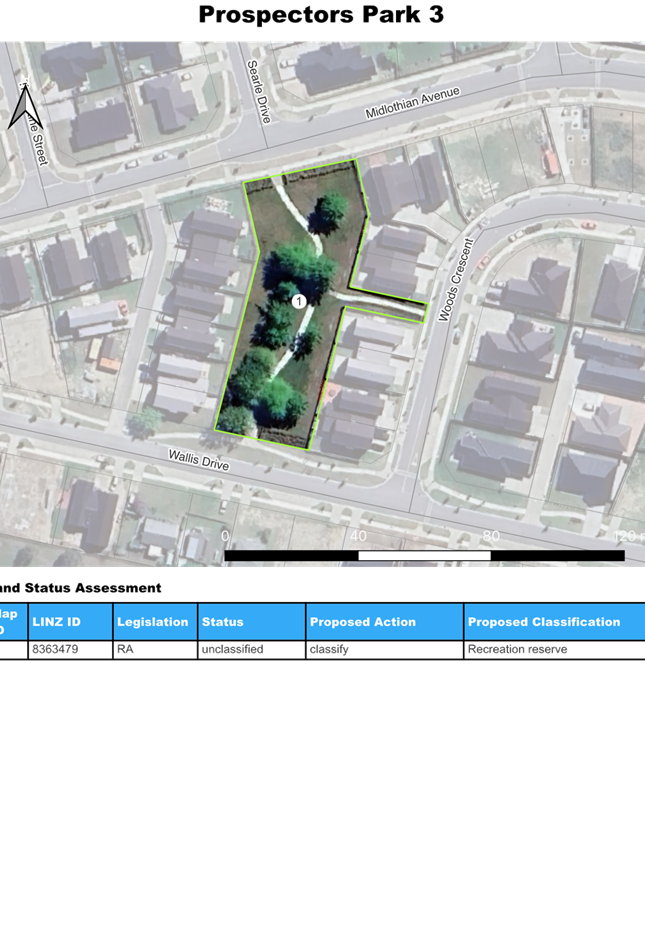
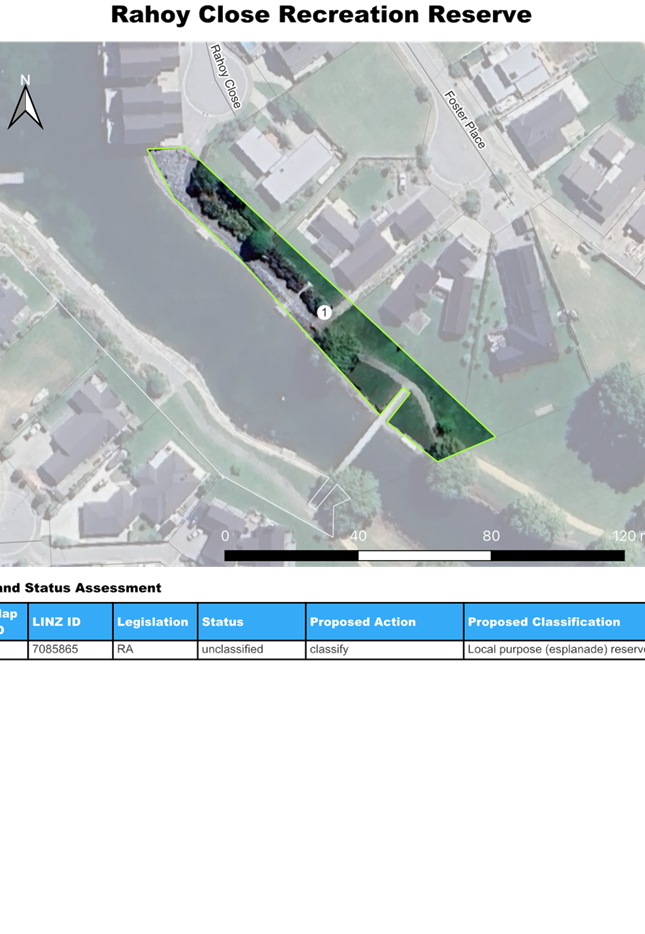
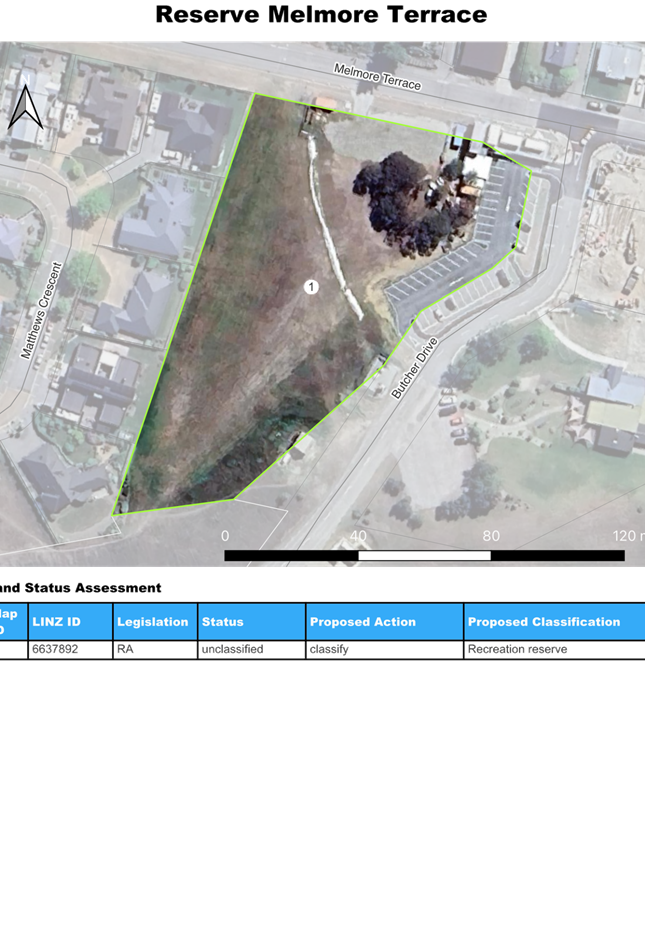
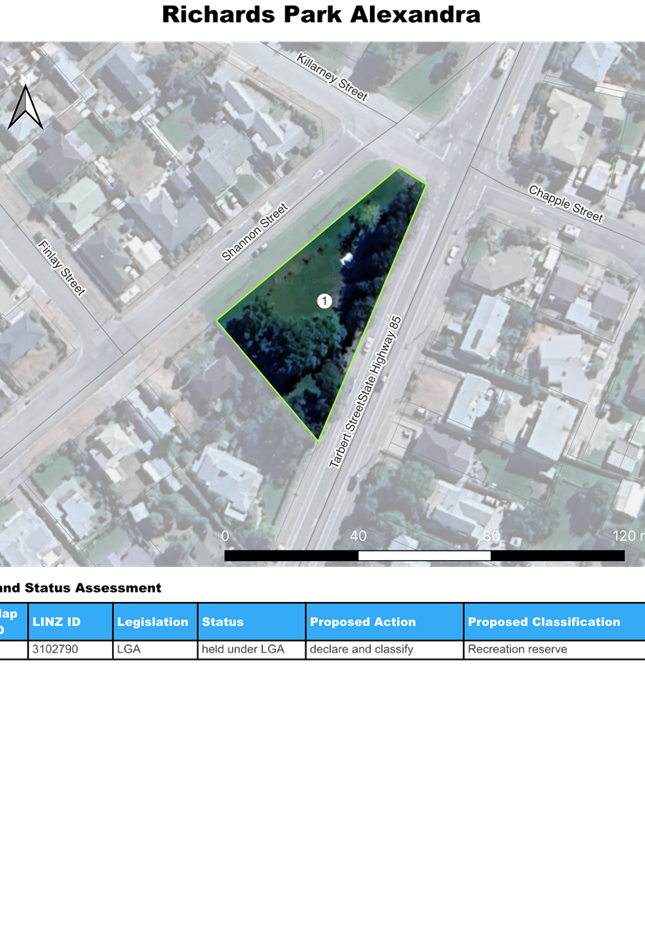
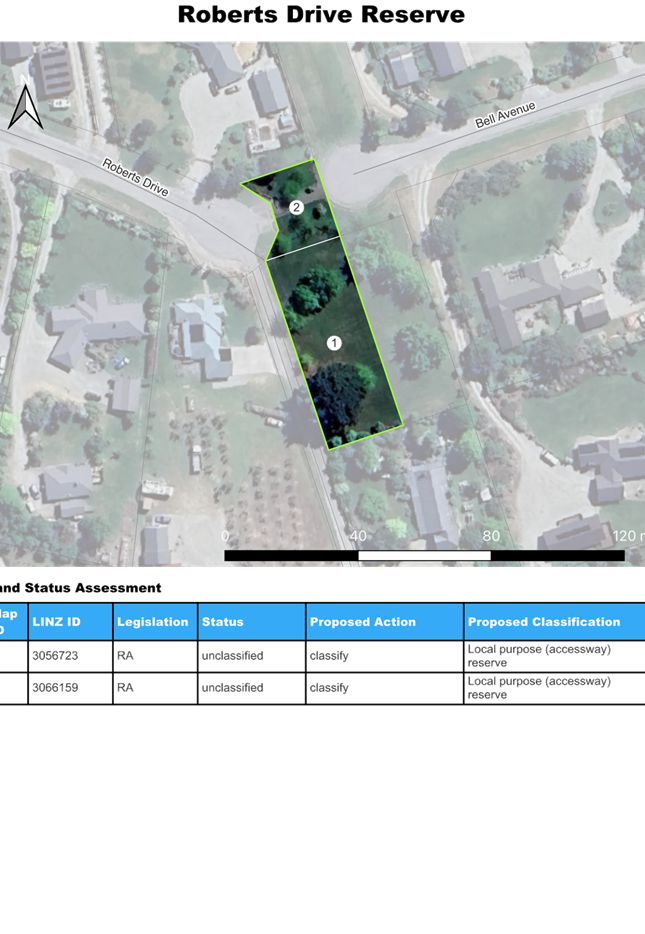
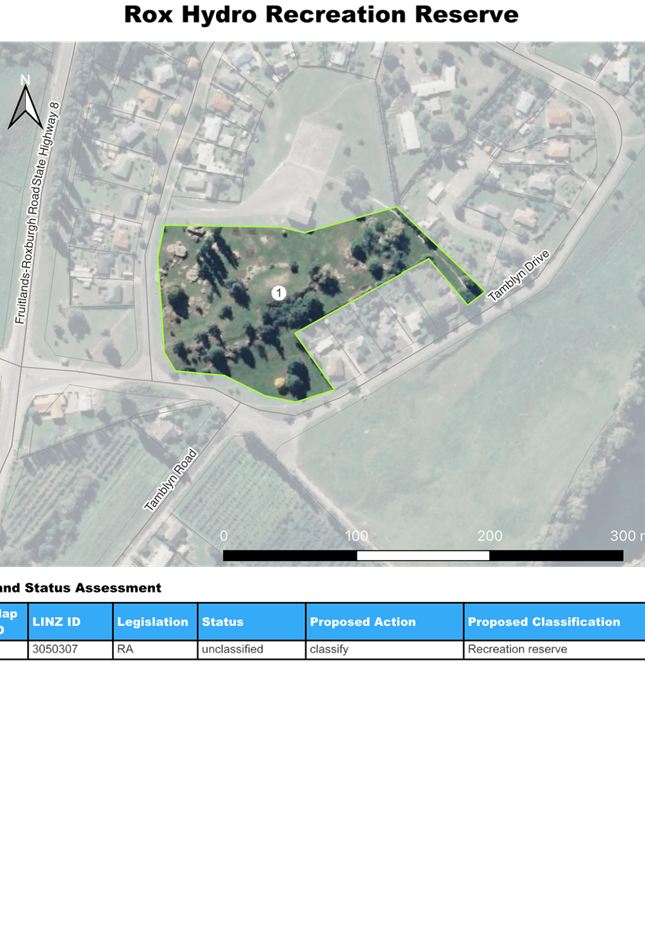
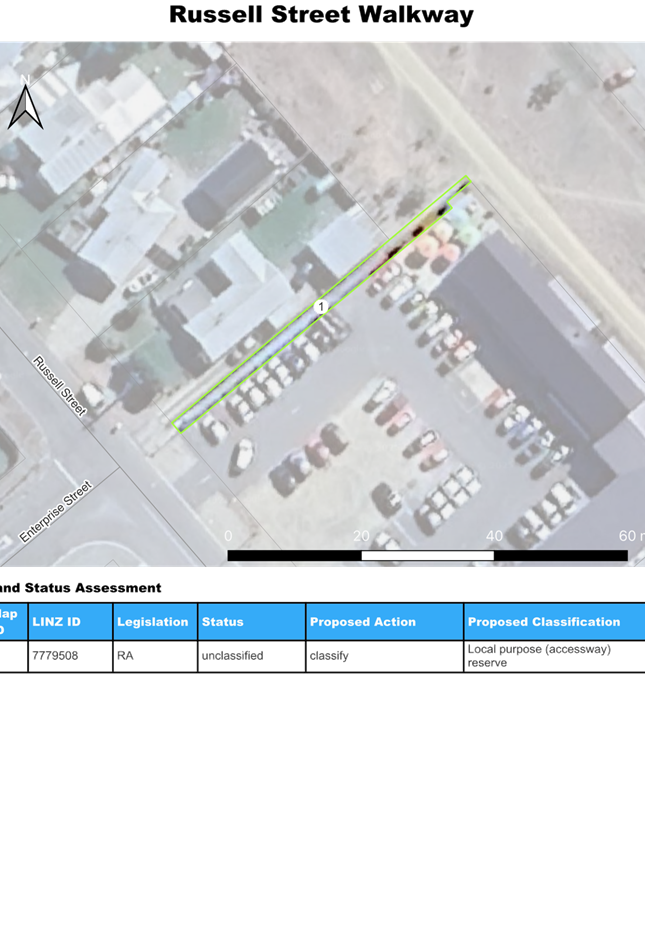
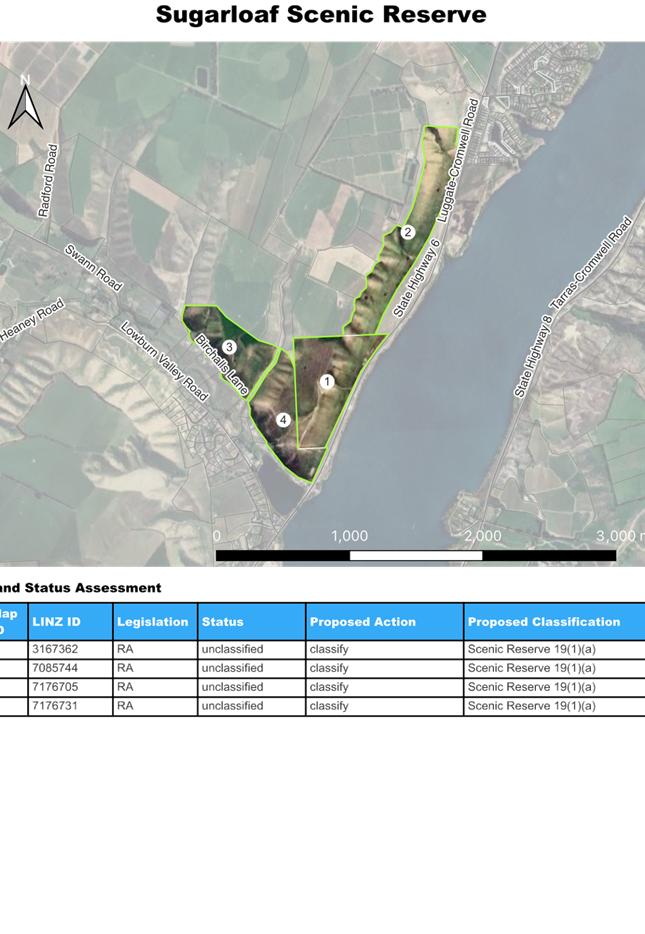
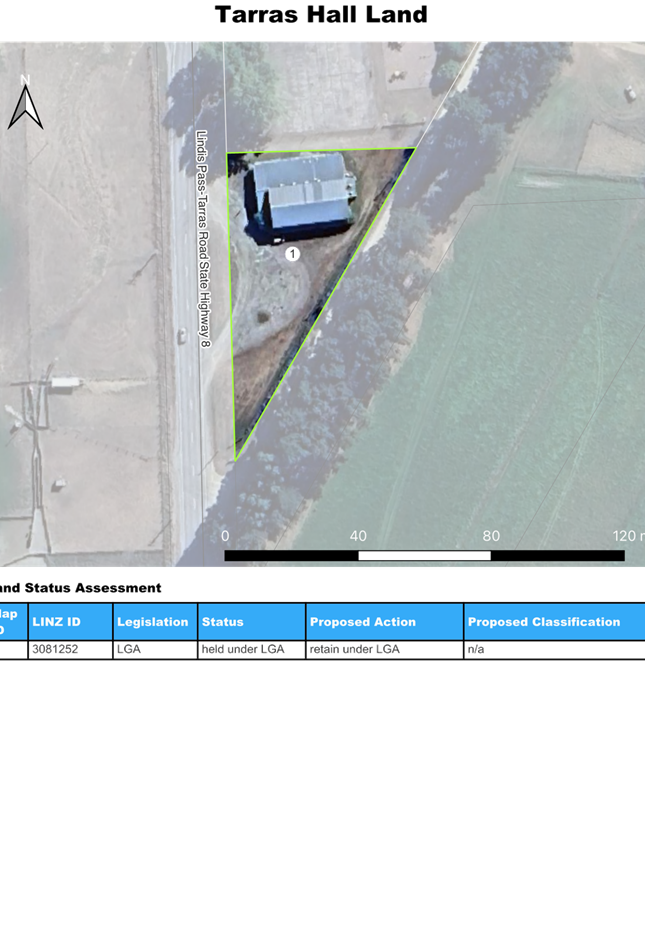
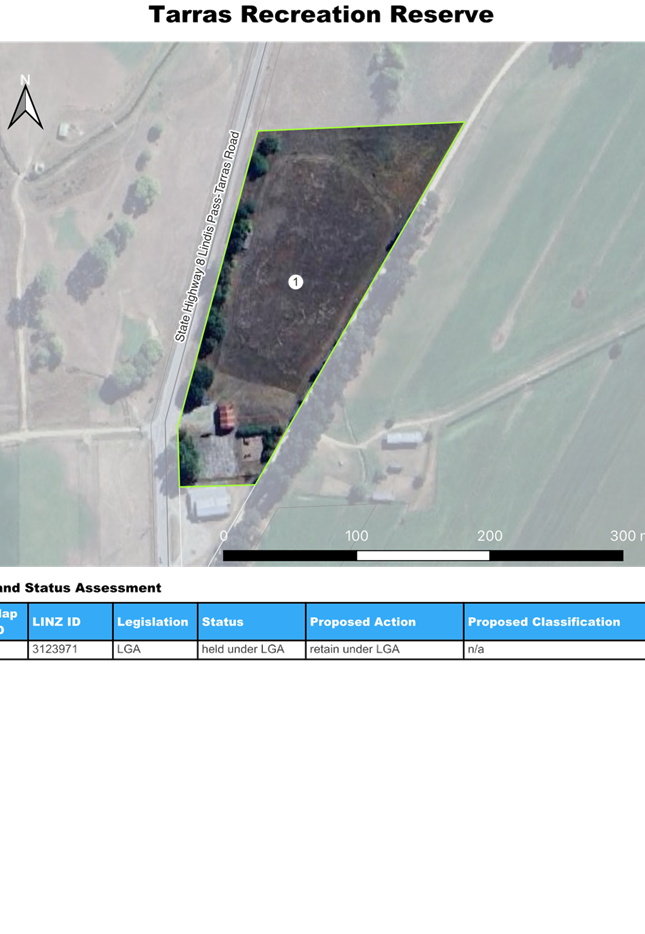
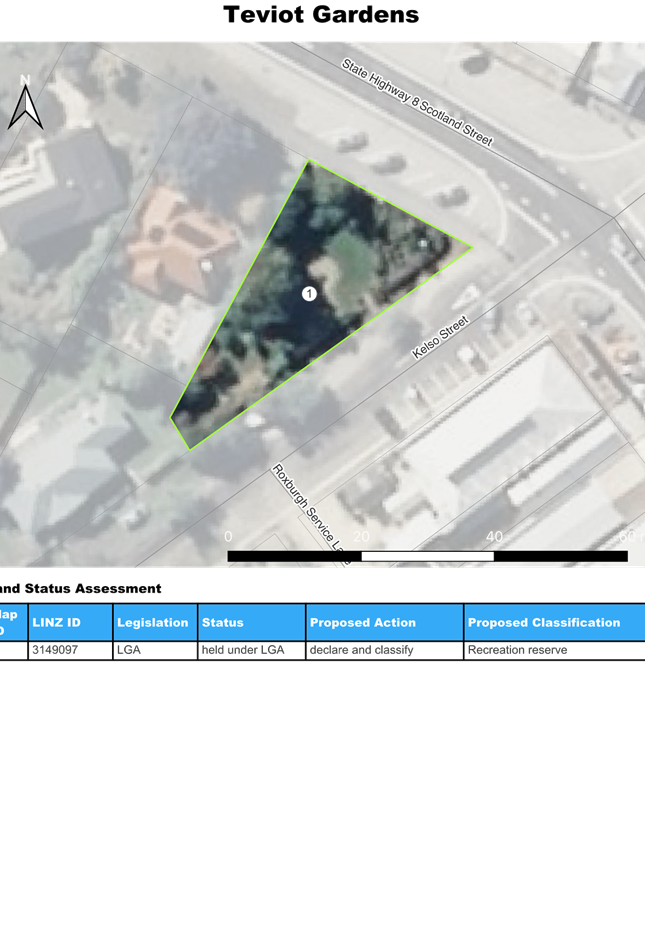
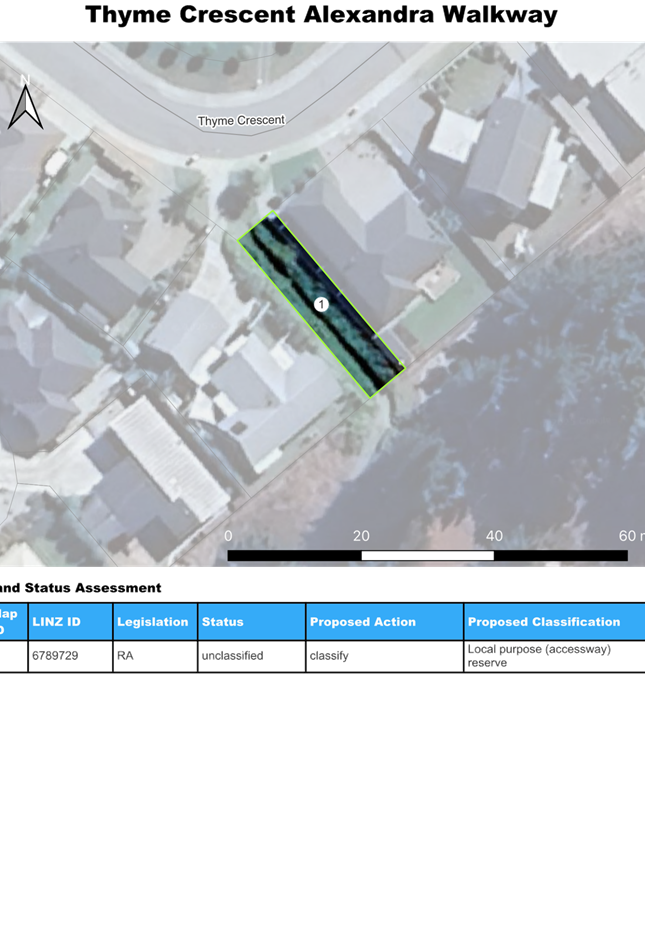
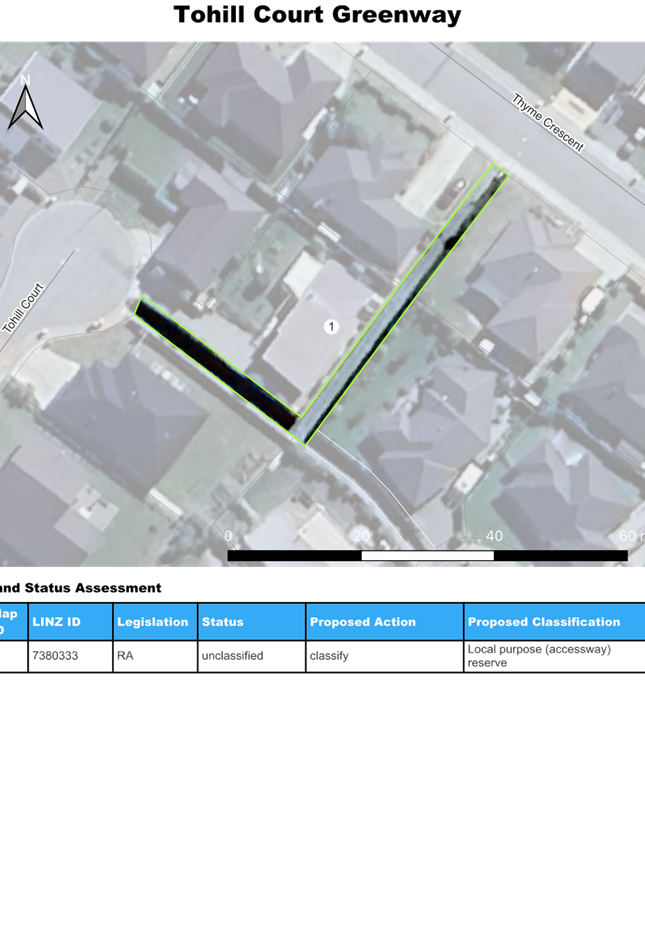
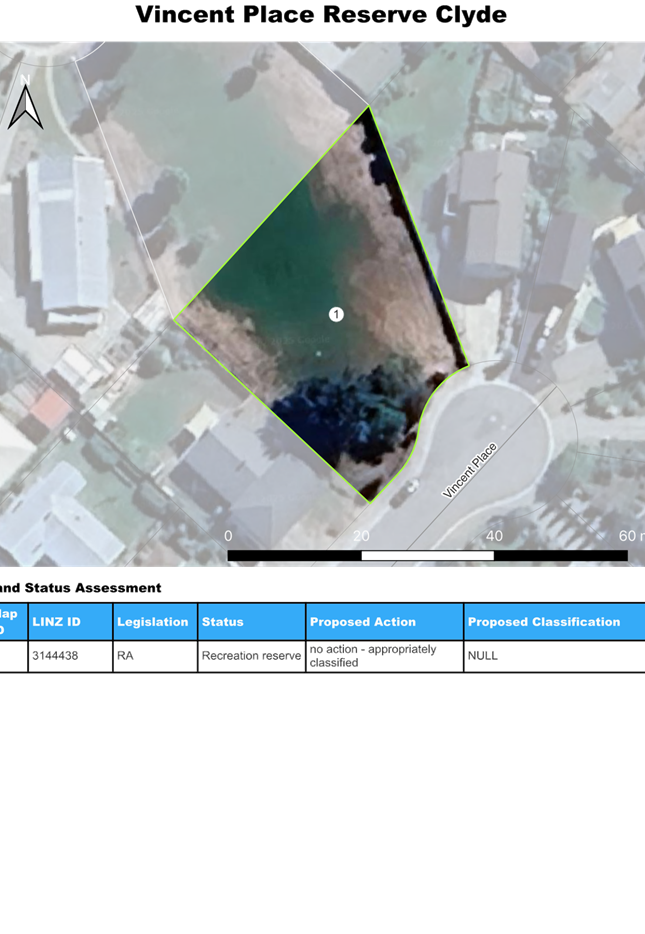
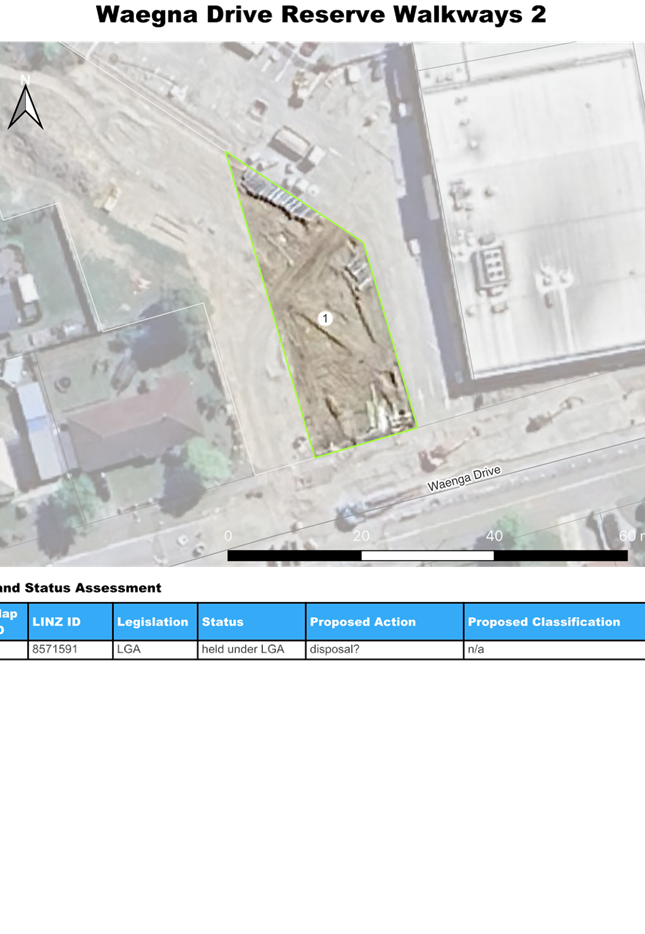
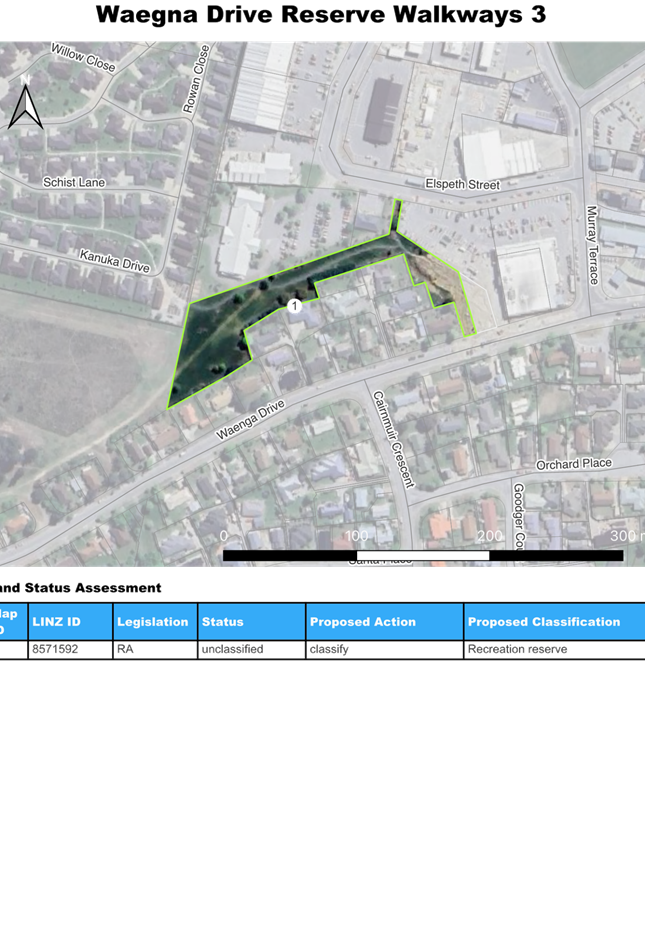
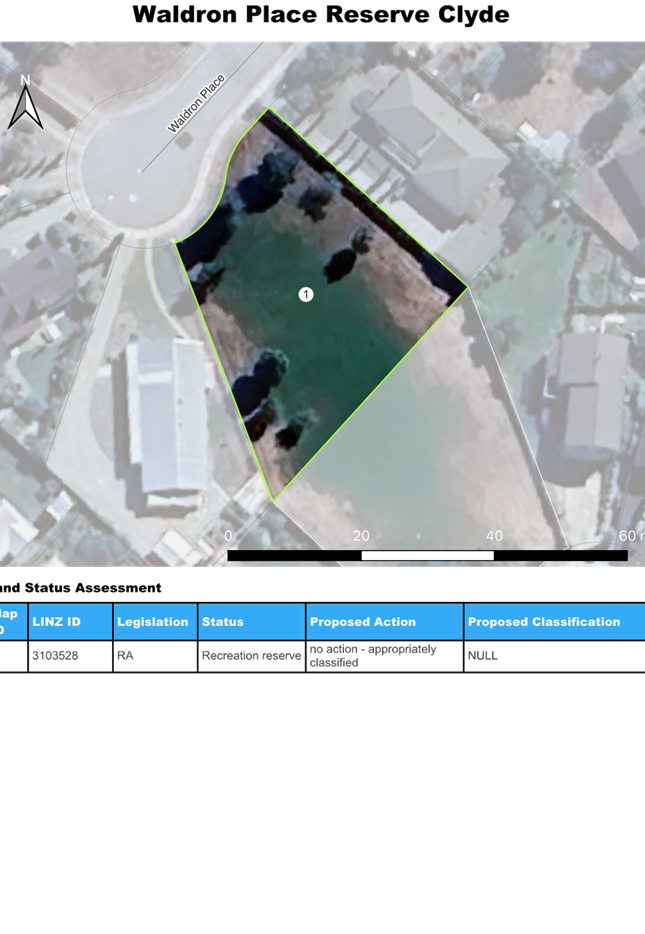
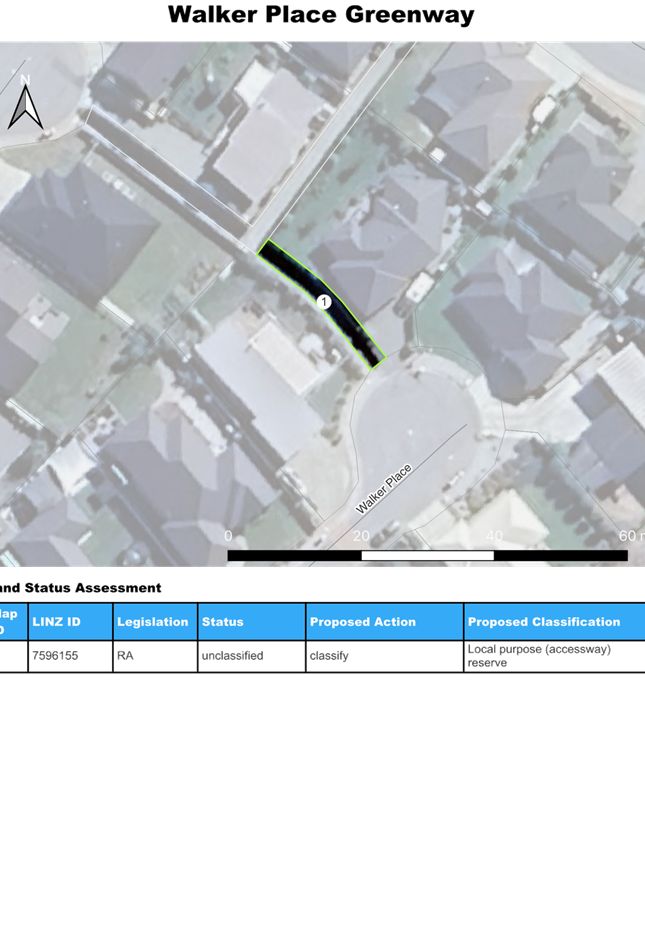
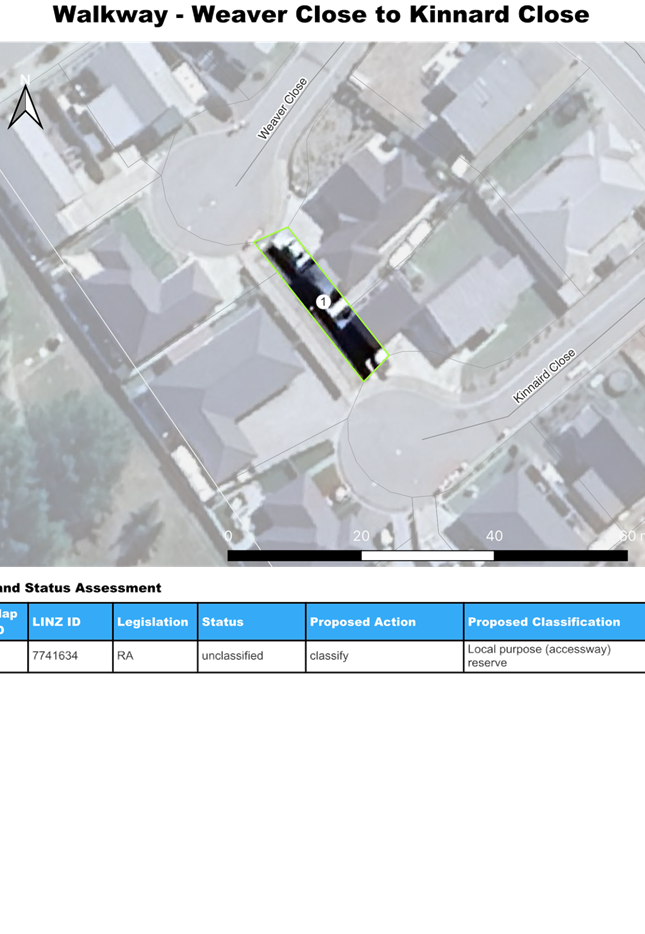
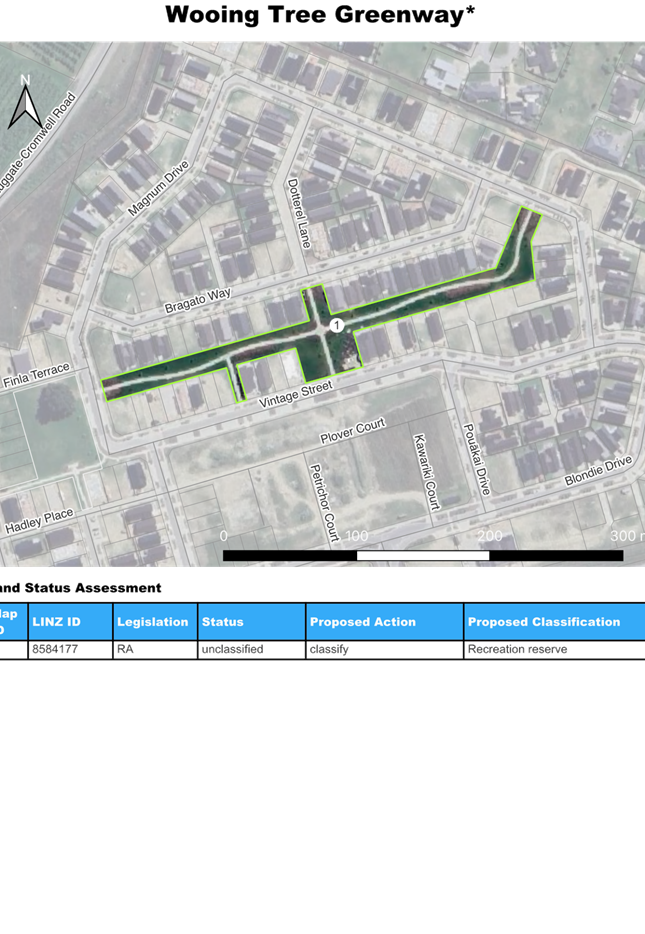
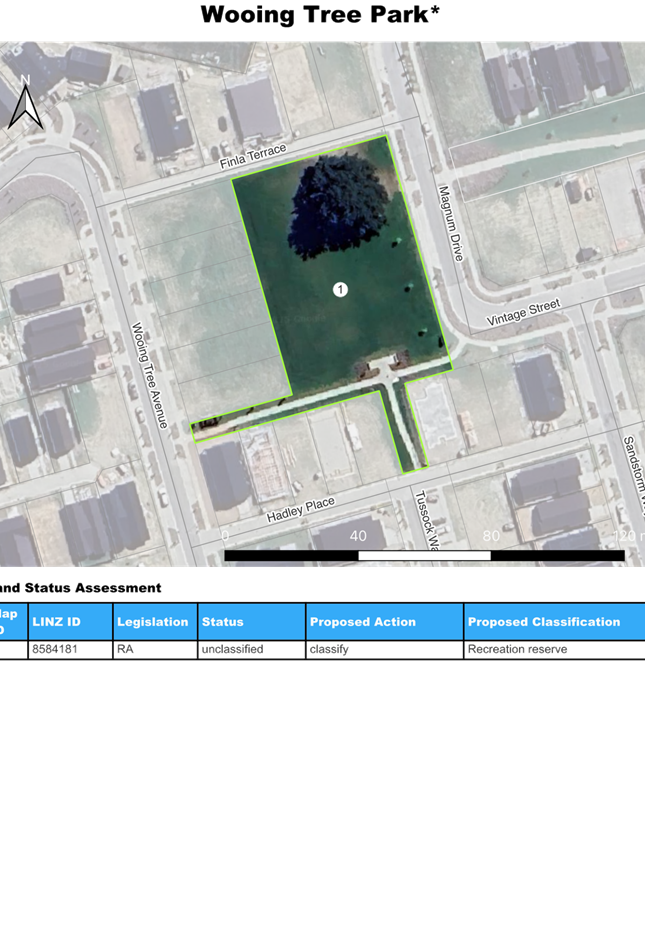
|
30 July 2025
|

|
25.15.17 Ratification of the
Cromwell Community Board Resolution 25.4.4 (Proposed New Lease to Cromwell Bike
Park Incorporated on Nelplusultra Recreation Reserve)
Doc ID: 2506640
|
Report Author:
|
Zelda Zeelie, Statutory Property
Team Leader
|
|
Reviewed
and authorised by:
|
David Scoones, Group Manager -
Community Experience
|
1. Purpose
of Report
To consider ratifying the
Cromwell Community Board Resolution 25.4.4 recommending
the granting of a new lease to the Cromwell Bike Park Incorporated on an area
of 1 Hectare (more or less) of the Neplusultra Recreation Reserve, being part
of Lots 1 and 2 Deposit Plan 19357.
2. Background
Resolution 25.4.4
At its meeting the
Cromwell Community Board resolved to grant a new lease to the Cromwell Bike
Park Incorporated on an area of 1 Hectare (more or less) of the Neplusultra
Recreation Reserve, being part of Lots 1 and 2 Deposit Plan 19357.
The full report attached
as Appendix “1” with financial reports attached as Appendices
“2” to “6”.
3. Discussion
As per discussion
contained in Appendix “1”.
4. Financial
Considerations
The financials of the Cromwell Bike Park Incorporated
for the last 5 financial years have been obtained and indicated that apart from
donations there have been no other income for the club.
5. Options
Option 1 –
(Recommended)
Agrees to ratify Resolution 25.4.4 of the Cromwell Community Board to
grant a lease to Cromwell Bike Park Incorporated on leased areas indicated
on Figure 1 of the report of the Neplusultra Recreation Reserve, being part of
Lot 2 Deposit Plan 17280 on the following terms and conditions:
• Commencement
1 July 2023
• Term
Fifteen (15) years
• Right
of
Renewal
One (1) right of renewal for another Fifteen (15) years
• Rental
$1 per annum
• Outgoings
100%
• Final
Expiry
Date
30 June 2053
• Cancellation
Clause
Five (5) years advanced notice of cancellation
Advantages:
· The
continuation of the Bike Park Facility would benefit the community
· Continuation
of the occupation and maintenance of the land
· The
cancellation clause covers the possibility of terminating the lease if the land
should be required by Council in the future for other purposes.
Disadvantages:
· None
Option 2
Agrees to not ratify
Resolution 25.4.4 of the Cromwell Community Board to grant a lease to Cromwell
Bike Park Incorporated on an area of 1 Ha (more or less) of the Neplusultra
Recreation Reserve, being part of Lots 1 and 2 Deposit plan 19357.
Advantages:
· None
Disadvantages:
· The
community would lose the benefit of the Bike Park facility.
· The
land would not be occupied, and Council will have to maintain the tracks.
.
6. Compliance
|
Local Government Act 2002 Purpose Provisions
|
This decision promotes the social and cultural wellbeing of
communities, in the present and for the future by supporting the continued
operation of the Bike Park facility.
The Minister of Conservation’s consent is delegated to
Council in accordance with the Reserves Act 1977, and the “Instrument
of Delegation to Territorial Authorities” dated 12 June 2013.
|
|
Decision consistent with other Council plans and policies? Such as
the District Plan, Economic Development Strategy etc.
|
The decision is consistent with the Neplusultra Reserve Management
Plan, and the Community Leasing and Licensing Policy by encouraging the
facilitation of the reserve for recreation and sporting purposes for the
welfare and enjoyment of the community.
|
|
Considerations as to sustainability, the environment and climate
change impacts
|
No sustainability, environmental or climate change impacts are
related to the decision as continuation of the lease have no material effect
on the land.
|
|
Risks Analysis
|
There is no risk associated with the recommended option. All
potential risk associated with the approved activities in the lease is
covered under the lease agreement and Council’s Risk Insurance.
|
|
Significance, Consultation and Engagement (internal and external)
|
The
decision is not considered significant with
regard to the Significance and Engagement
Policy.
|
7. Next
Steps
· Council
Ratifies approval of the lease 30
July 2025
· Lessee
notified and lease document sent to lessee August
2025
· New
lease executed August
2025
8. Attachments
Appendix 1 - CCB 17 June 2025 -
Report - Porposed New Lease to Cromwell Bike Park Incorporated on Neplusultra
Recreation Reserve ⇩
Appendix 2 - 2020 March -
Cromwell Bike Park Inc - CC48239_AnnualReturnSummary_AR008 ⇩
Appendix 3 - 2021 March - Cromwell
Bike Park Inc - CC48239_AnnualReturnSummary_AR009 ⇩
Appendix 4 - 2022 March - Cromwell
Bike Park Inc - CC48239_AnnualReturnSummary_AR010 ⇩
Appendix 5 - 2023 March -
Cromwell Bike Park Inc - CC48239_AnnualReturnSummary_AR011 ⇩
Appendix 6 - 2024 March -
Cromwell Bike Park Inc - CC48239_AnnualReturnSummary_AR013 ⇩
|
Council
meeting
|
30 July
2025
|
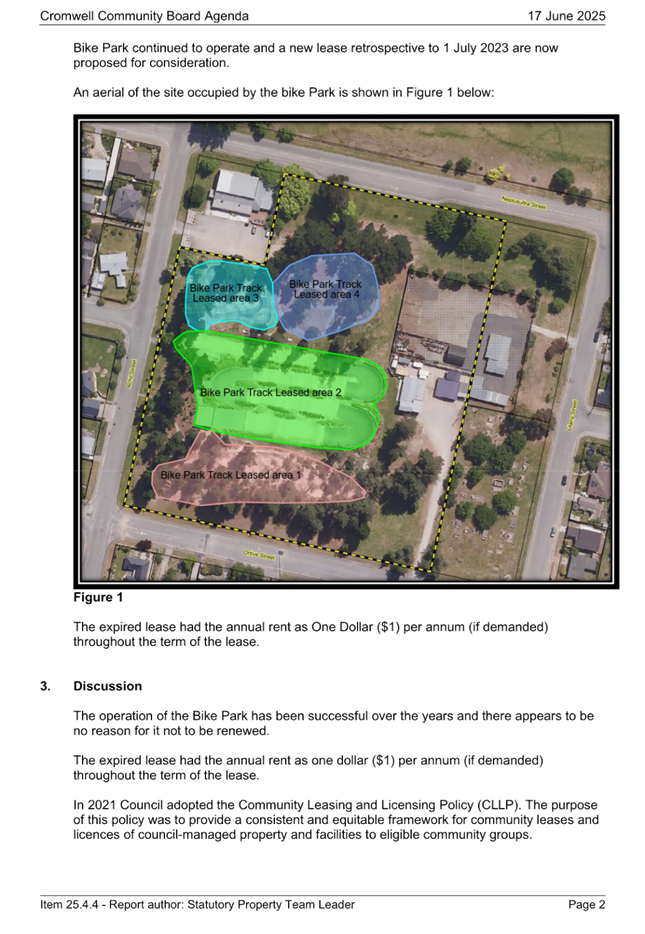
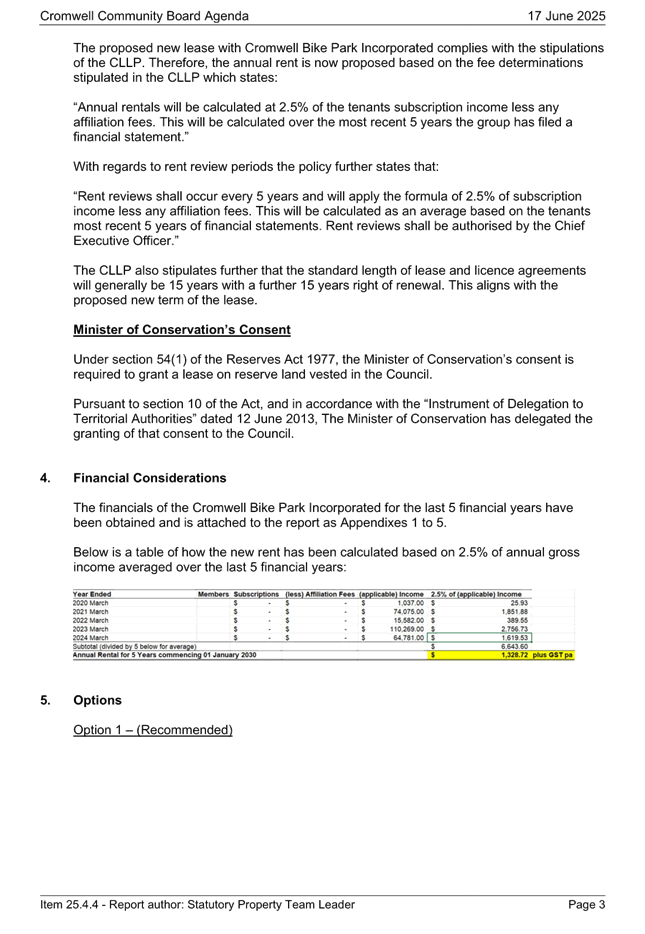
|
Council
meeting
|
30 July
2025
|


|
Council
meeting
|
30 July
2025
|



|
Council
meeting
|
30 July
2025
|



|
Council
meeting
|
30 July
2025
|

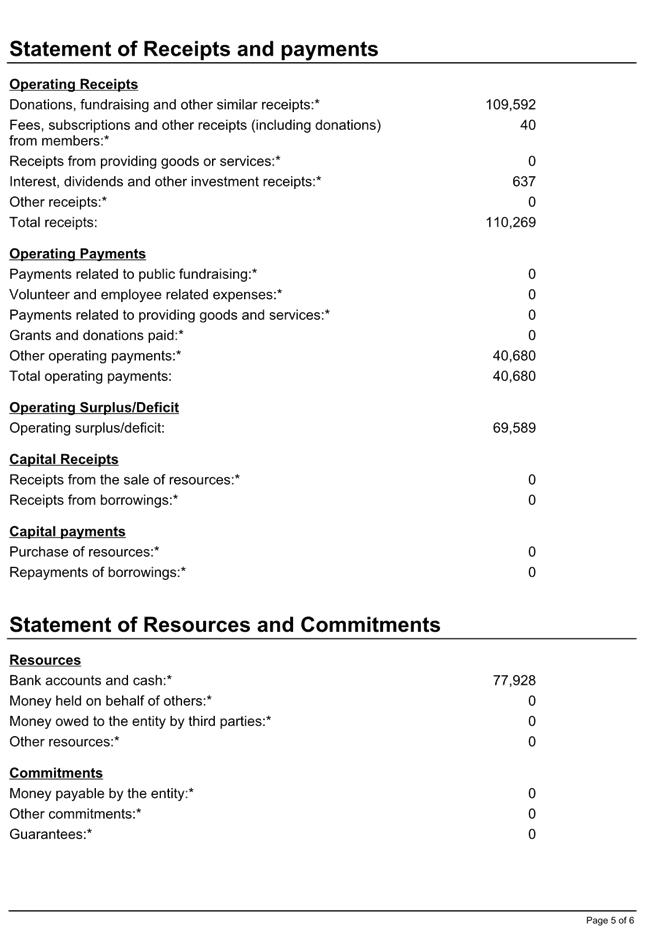

|
Council
meeting
|
30 July
2025
|
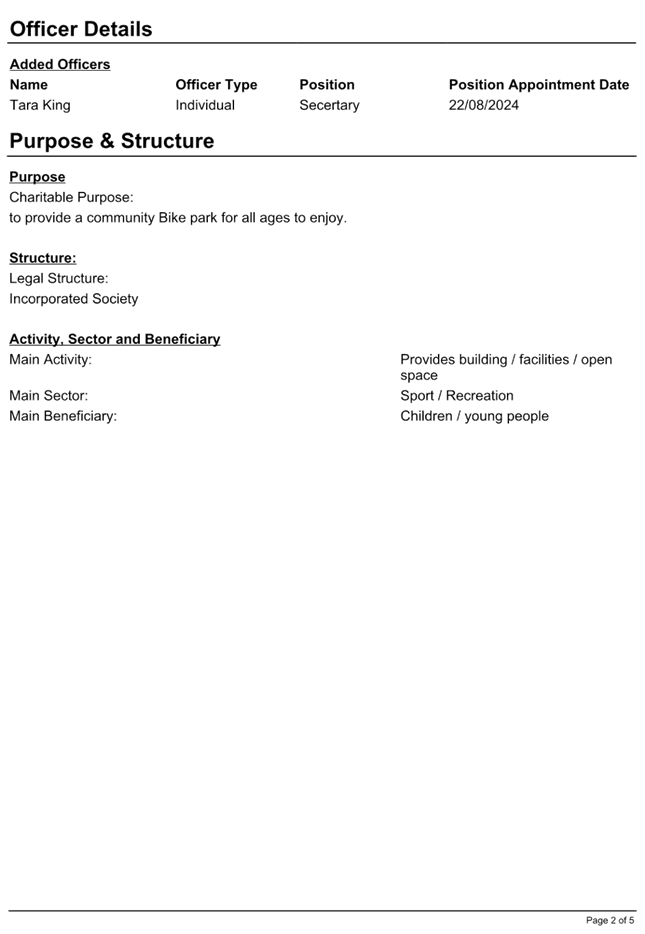
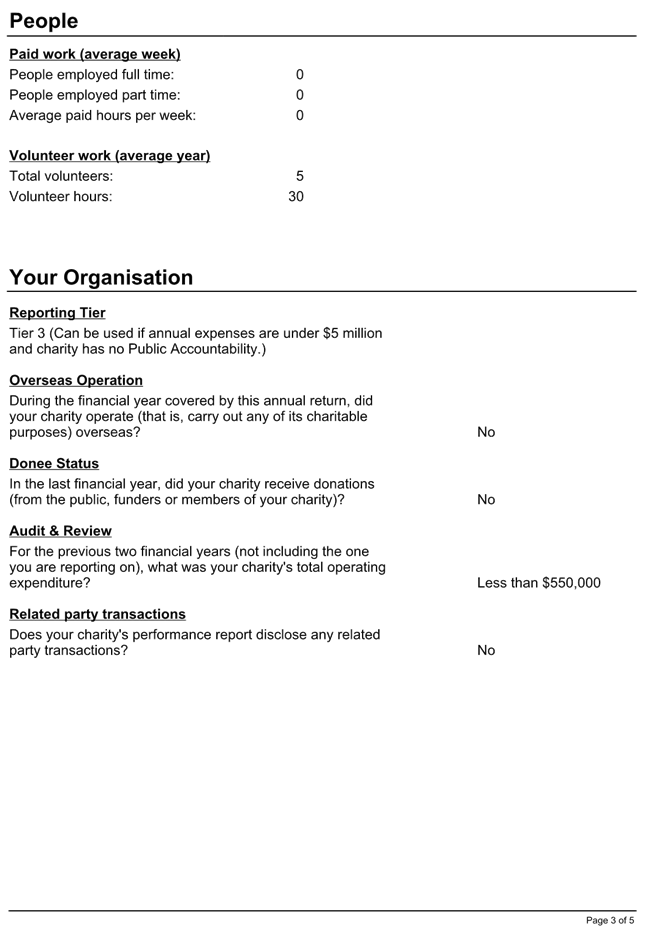
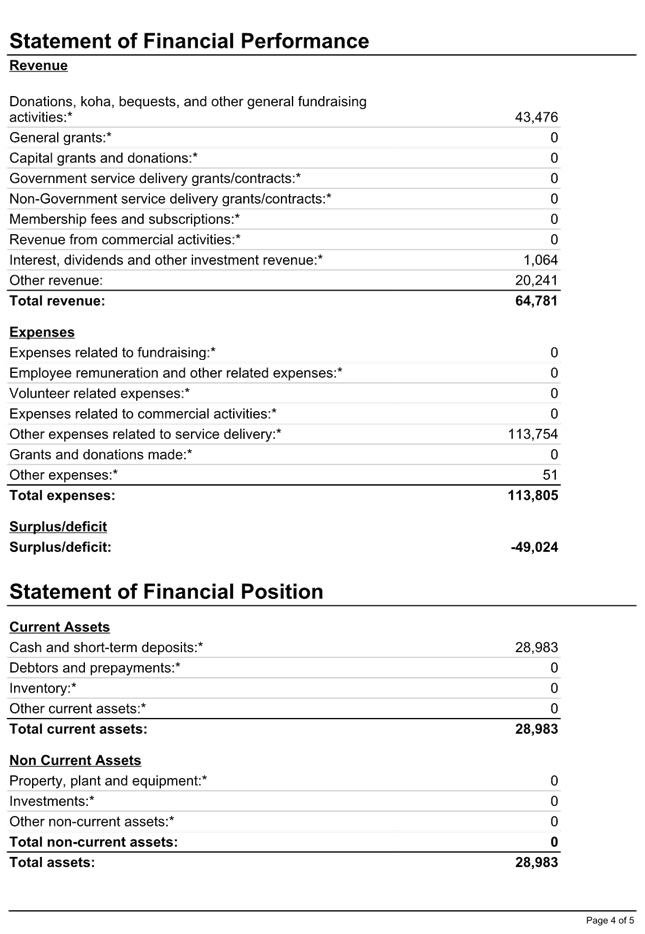
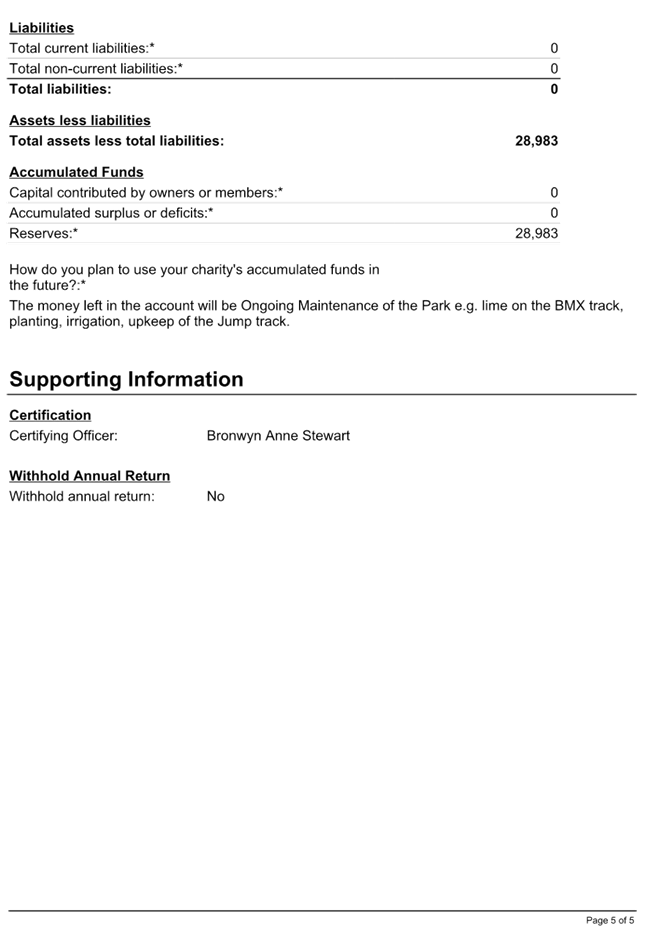
|
30 July 2025
|

|
25.15.18 Road Stopping Adjacent to 34
Mutton Town Road - Mutton Town Limited
Doc ID: 2506684
|
Report Author:
|
Zelda Zeelie, Statutory Property
Team Leader
|
|
Reviewed
and authorised by:
|
David Scoones, Group Manager -
Community Experience
|
1. Purpose
of Report
To consider ratifying the
resolution made by the Vincent Community Board at its meeting held on 29 July
2025 regarding a proposal to stop part of unformed legal road adjacent to rapid
34 Mutton Town Road in accordance with the provisions of the Public Works Act.
2. Background
The Vincent Community
Board decision:
Due to time constraints
and for efficiency the decision of the Vincent Community Board on 29 July 2025
will be reported to the Council at its meeting on 30 July 2025.
The Road
Mutton Town Road starts from the
split off westwards from Clyde-Alexandra Road and ends into Sunderland Street,
Clyde as shown in Figure 1 of the report.
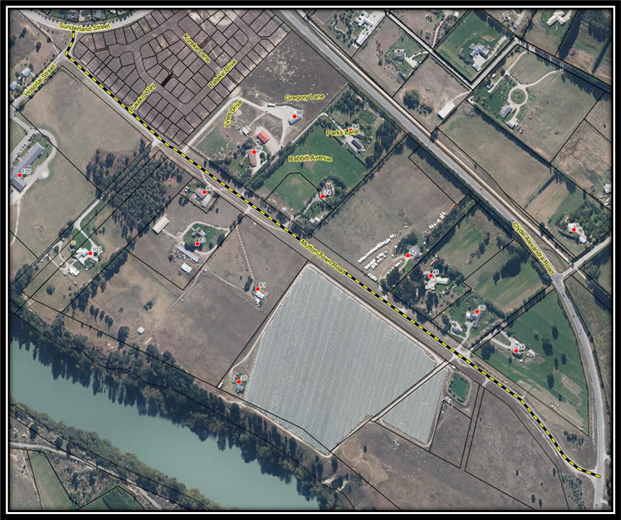
Figure 1
The Applicant’s Property
The current owner of 34
Mutton Town Road (Record of Title OT9B/1133), Mutton Town Limited applied for
the road stopping of part of Mutton Town Road and amalgamation to his land
title as set out in Figure 2 below.
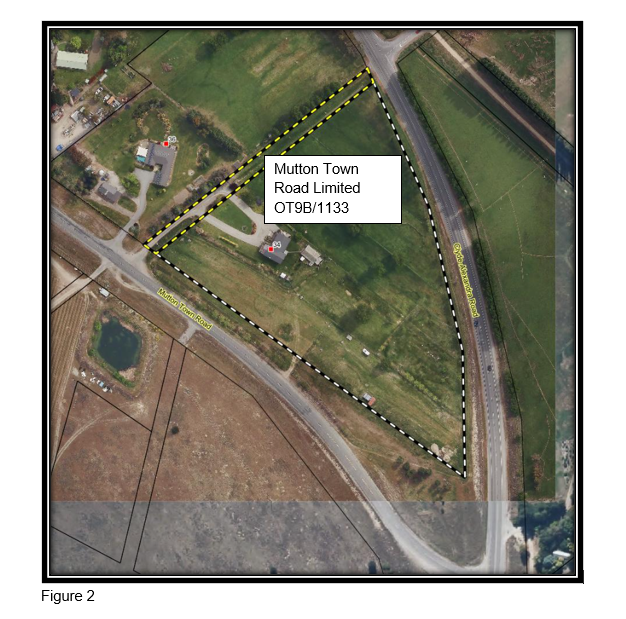
The Road to be Stopped
Council Roading Manager
has reviewed the proposed road stoppage area and has approved the process as
per Scheme Plan shown in Figure 3 below.
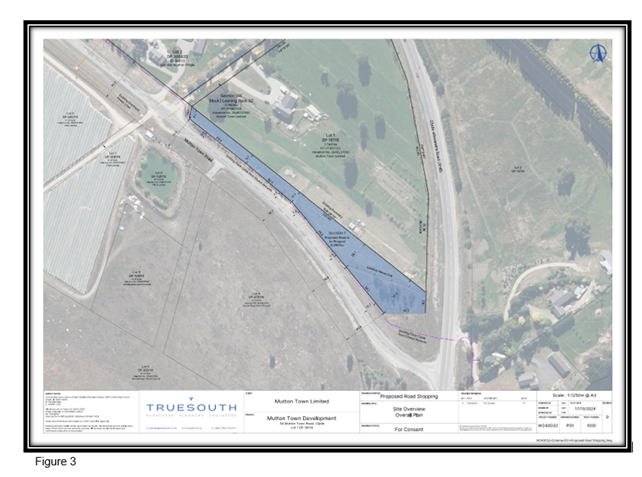
3. Discussion
Utility Networks &
Provider Requirements
There is no utility
network infrastructure located in the block of road that is to be stopped. All
utilities currently on the road reserve will still be in the road reserve after
completion of the road stopping.
Legislation and Policy
Council’s
Roading Policy determines the appropriate statutory procedure for stopping a
legal road or any part thereof. The policy for selecting the correct statutory
process is outlined in section 8.5 of Council’s Roading Policy. The
options are as follow:
The Local
Government Act 1974 road stopping procedure shall be adopted of one or more
of the following circumstances shall apply:
a) Where
the full width of road is proposed to be stopped and public access will be
removed as a result of the road being stopped; or
b) The
road stopping could injuriously affect or have a negative or adverse impact on
any other property; or
c) The
road stopping has, in the judgement of the Council, the potential to be
controversial; or
d) If
there is any doubt or uncertainty as to which procedure should be used to stop
the road.
The Local Government Act process
requires public notification of the proposal. This involves erecting signs at
each end of the road to be stopped, sending letters to adjoining
owners/occupiers and at least two public notices a week apart in the local newspaper.
Members of the public have 40 days in which to object.
The Public Works Act 1981 road
stopping procedure may be adopted when the following circumstances apply
a. Where
the proposal is that a part of the road width be stopped and a width of road
which provides public access will remain.
b. Where no other person, including the
public generally, are considered by the Council in its judgement to be
adversely affected by the proposed road stopping.
c. Where other reasonable access will be
provided to replace the access previously provided by the stopped road (i.e. by
the construction of a new road).
It is
proposed that Public Works Act 1981 procedures be adopted for this application
for the following reasons:
· The
proposal is to stop part of the road width only.
· Public
access will not be adversely affected.
The
Public Works Act 1981 further provides for legal road to be stopped, sold, and
amalgamated with an adjacent title.
In this
instance the stopped road will be amalgamated with the land contained in Record
of Title OT 9B/1133.
Evaluation of
Application
An evaluation of the
proposal to stop a portion of the Road is shown in the table below.
|
Item
|
Criteria to be considered
|
Evaluation
|
|
District Plan
|
Has the road been identified in the District Plan for any
specific use or as a future road corridor?
|
No part of the Road identified for any specific purpose or
as a future road corridor.
|
|
Current Level of Use
|
Is the road used by members of the public for any reasons?
|
This section of the road reserve is not used by members of
the public for any reason.
|
|
Does it provide the only or most convenient means of access
to any existing lots?
|
No, all existing lots adjacent to the Road have existing
legal access to Mutton Town Road.
|
|
Will stopping the road adversely affect the viability of
any commercial activity or operation?
|
No, the road stopping will not adversely affect the
viability of any commercial activity or operation.
|
|
Will any land become landlocked if the road is stopped?
|
No
|
|
Future Use
|
Will the road be needed to service future residential,
commercial, industrial, or agricultural developments?”
|
No
|
|
Will the road be needed in the future to connect existing
roads?
|
No
|
|
Non-traffic Uses
|
Does the road have current or potential value for amenity
functions, e.g., walkway, cycleway, recreational access, access to
conservation or heritage areas, park land?
|
The Road does not provide access to any recreational area,
conservation land, or to a heritage area.
|
|
Does the road have potential to be utilised by the Council
for any other public work either now or potentially in the future?
|
The Road does not have potential to be used for public
work.
|
|
Does the road have significant landscape amenity value?
|
The Road does not have any significant landscape amenity
value.
|
|
Access to Waterbody
|
Does the road provide access to a river, stream, lake or
other waterbody?
|
The Road does not provide access to any type of waterbody.
|
|
If so, there is a need to consider Section 345 of the Local
Government Act, which requires that after stopping the land be vested in
Council as an esplanade reserve
|
N/A (refer above)
|
|
Infrastructure
|
Does the road currently contain any services or other
infrastructure, such as electricity, telecommunications, irrigation, or other
private infrastructure?
|
Yes, but these will remain in the road reserve after road
stopping is completed.
|
|
Can the existing services or infrastructure be protected by
easements?
|
Not required.
|
|
Traffic Safety
|
Does the use of motor vehicles on the road constitute a
danger or hazard?
|
There is no danger or hazard associated with using a motor
vehicle on the Road.
|
4. Financial
Considerations
Council’s Roading Policy determines that the applicant is responsible for all
costs and expenses associated with the road stopping and to pay the value of
the road reserve land acquired.
5. Options
Option 1 –
(Recommended)
Recommends
to Council to approve the proposal to stop the unformed legal road, as shown in
appendix “1” (the Scheme Plan), in accordance with the provisions
of the Public Works Act 1981, subject to:
· The
marked proposed ‘Section 1’ on the Scheme Plan as shown in Figure 3
of the report being stopped and amalgamated with Record of Title OT 9B/1133.
· The
stopping and legislation being approved by the Minister of Lands.
· The
final survey plan being approved by the Chief Executive.
· The
owner of 34 Mutton Town Road pays all the cost in relation to the road stopping
Advantages:
· All
costs associated with the stopping will be paid by the owner of 34 Mutton Town
Road.
The income received from the
road stopping will be used to address other public roading issues.
Disadvantages:
· None
Option 2
Recommends to Council to not approve
the proposal to stop the unformed legal road, as shown in appendix
“1” (the Scheme Plan), in accordance with the provisions of the
Public Works Act 1981, subject to:
· The
proposed marked ‘Section 1’ on the Scheme Plan attached as Appendix
“1” being stopped and amalgamated with Record of Title OT 9B/1133.
· The
stopping and legislation being approved by the Minister of Lands.
· The
final survey plan being approved by the Chief Executive.
Advantages:
· None
Disadvantages:
· No
income is received from the requested road stopping.
6. Compliance
|
Local Government Act 2002 Purpose Provisions
|
This decision promotes the economic wellbeing of the community by
generating income from the disposal of land that is held, (but not required)
for roading purposes, and where it has limited other use.
|
|
Decision consistent with other Council plans and policies? Such as
the District Plan, Economic Development Strategy etc.
|
Council’s Road Stopping Policy applies to this application.
Consideration of this policy has ensured that the appropriate
statutory process, being to stop the road in accordance with the provisions
of Public Works Act 1981, has been adopted.
|
|
Considerations as to sustainability, the environment and climate
change impacts
|
No sustainability, environmental or climate change impacts are
related to the decision to stop this short unnamed unformed road.
|
|
Risks Analysis
|
No risks to Council are associated with the recommended option.
|
|
Significance, Consultation and Engagement (internal and external)
|
The Significance and Engagement Policy has been considered, with
none of the criteria being met or exceeded.
Notice of the completed road stopping will be published in the New
Zealand Gazette.
|
7. Next
Steps
The
following steps have been/will be taken to implement the stopping:
o Community
Board approval
o Council
approval
o Survey
and LINZ Accredited Supplier engaged
o Survey
Plan approved
o Gazette
notices published
o Sale of land
completed
8. Attachments
Nil
|
30 July 2025
|

|
25.15.19 Road Renaming Approval Report
- Kawariki Court
Doc ID: 2503096
|
Report Author:
|
Faye Somerville, Roading Administration
Assistant
|
|
Reviewed
and authorised by:
|
Quinton Penniall, Acting General
Manager - Planning and Infrastructure
|
1. Purpose
of Report
To ratify the Cromwell
Community Board’s recommendation to rename Plover Court to Plover Lane,
and Kawariki Court to Plover Lane.
|
Recommendations
That the Council
A. Receives
the report and accepts the level of significance.
B. Agrees to rename
Kawariki Court to Plover Lane.
C. Agrees to rename
Plover Court to Plover Lane.
|
2. Background
A report was presented to
the Cromwell Community Board on 17 June 2025 (appendix 1) to consider renaming
the previously named Kawariki Court in the Wooing Tree Development. A change to
the road layout removed the separation between Plover Court and Kawariki Court,
which were previously divided by a greenway. The two roads now form a single
continuous through road, making the use of separate names no longer
appropriate.

3. Discussion
Renaming Kawariki Court
would allow the entire length of the now-continuous road to share a single
name. During discussions it was noted that the recent layout change means
Plover Court is now part of a through road, rather than a short, enclosed
street. As a result, the name "Plover Court" was no longer considered
appropriate, and it was agreed that both Kawariki Court and Plover Court should
be renamed Plover Lane.
Clarification was sought
from the LINZ Addressing Team regarding the suitability of the "Lane"
suffix, and approval was given for the proposed name changes.
The diagram below shows
the new road layout including changed road names.
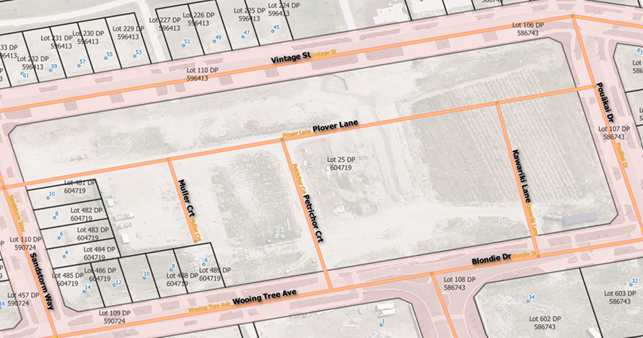
4. Financial
Considerations
All costs for the application and road name signs
will be met by the developer.
5. Options
Option 1 –
(Recommended)
Ratify the Cromwell
Community Board’s recommendation to rename Kawariki Court and Plover
Court to Plover Lane.
Advantages:
· Creates
a seamless continuation of Plover Lane following layout change.
· Aligns
with the developer’s request.
· Has
pre-approval from LINZ Addressing Team
Disadvantages:
· None
identified
Option 2
Do not ratify the
recommendation.
Advantages:
· None
identified.
Disadvantages:
· Contrary
to Cromwell Community Board’s recommendation and developers wishes.
· Creates
confusion for emergency and postal services.
6. Compliance
|
Local Government Act 2002 Purpose Provisions
|
This decision enables democratic local decision making and action
by, and on behalf of communities by providing clear direction for post and
emergency services.
|
|
Decision consistent with other Council plans and policies? Such as
the District Plan, Economic Development Strategy etc.
|
Decision is consistent with other policies.
|
|
Considerations as to sustainability, the environment and climate
change impacts
|
Managing change while protecting and enhancing our culture,
heritage and landscape is one of the council’s sustainable goals.
Road naming has the ability to celebrate culture and heritage aspects of the
area. Road naming has no climate change impacts or benefits.
|
|
Risks Analysis
|
Approval of this road name presents no discernible risk.
|
|
Significance, Consultation and Engagement (internal and external)
|
The decision does not trigger engagement under the Significance
and Engagement Policy.
|
7. Next
Steps
1) Council confirms the road name change.
2) Council sends a copy of the resolution to the
Registrar-General and the Surveyor-General.
3) Staff will inform affected parties of the decision
8. Attachments
Appendix 1 - Cromwell Community
Board Road Renaming Approval Report .pdf ⇩
|
Council
meeting
|
30 July
2025
|
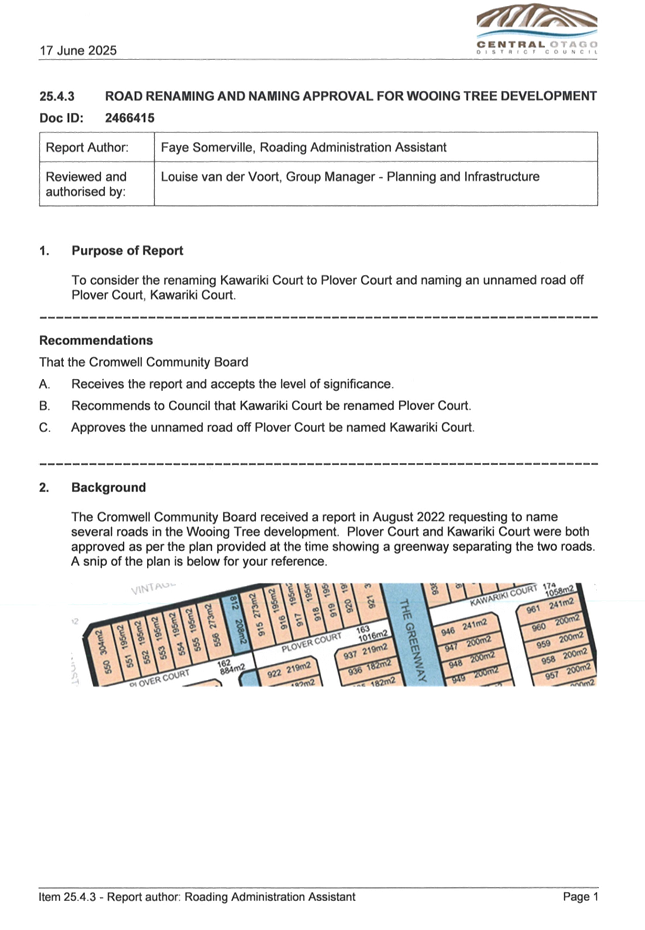
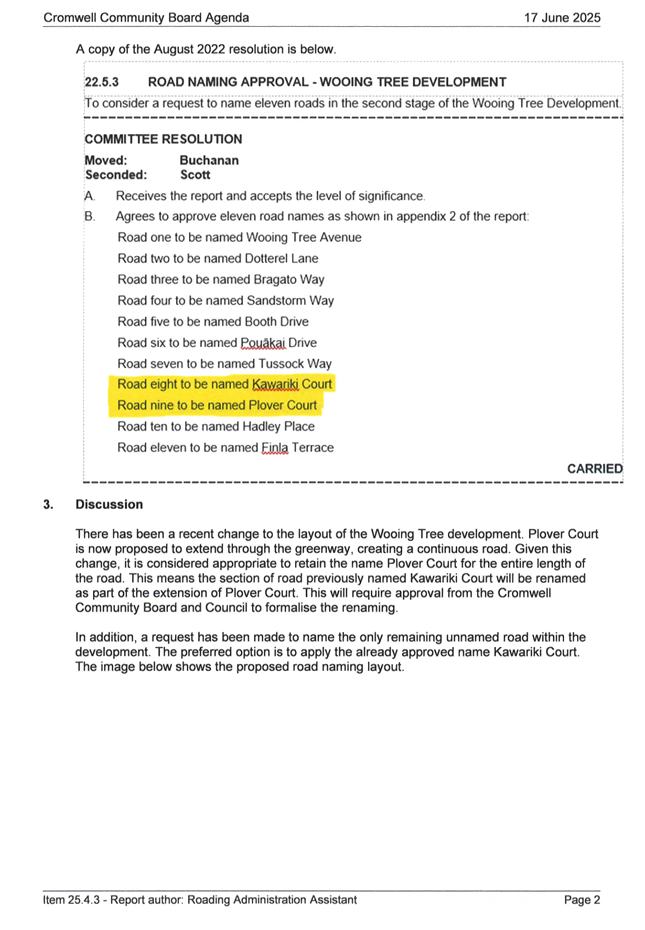
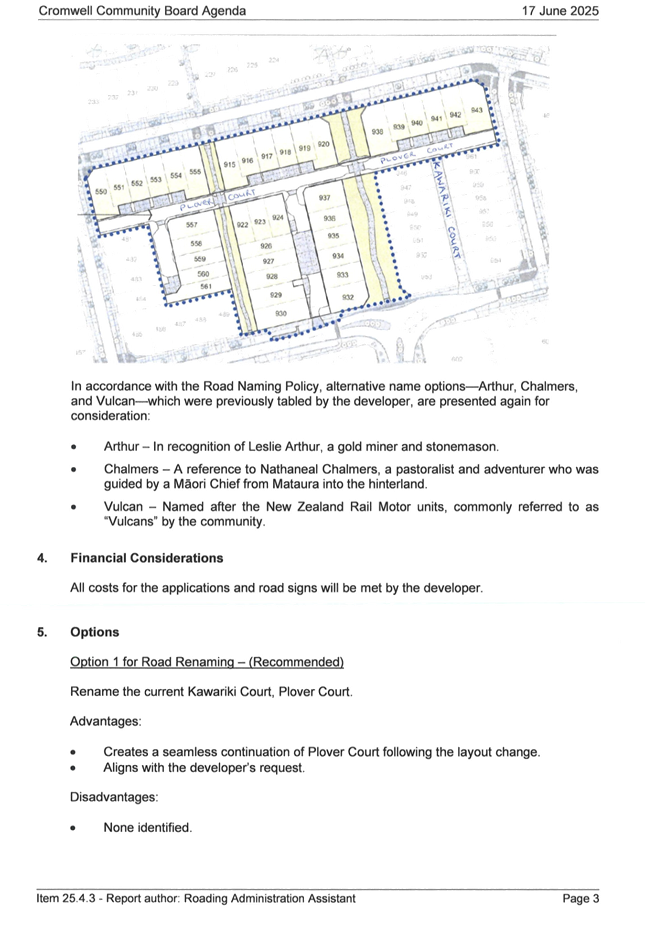
|
30 July 2025
|
|
25.15.20 Alcohol Fees and Charges
Doc ID: 2511514
|
Report Author:
|
Lee Webster, Regulatory Services
Manager
|
|
Reviewed
and authorised by:
|
Quinton Penniall, Acting Group
Manager – Planning, Infrastructure and Regulatory
|
1. Purpose
of Report
To consider updating
Council’s fees and charges for alcohol licence fees to include gst.
|
Recommendations
That the Council
A. Receives
the report and accepts the level of significance.
B. Agrees to amend
the 2025 / 2026 fees and charges to include gst as reflected in the Sale and
Supply of Alcohol (fees) Regulations 2013.
|
2. Background
The Sale and Supply of
Alcohol (fees) Regulations 2013 specify the fees for all alcohol related
applications.
Council has not previously stated these fees in its fees and charges schedule,
however included these this year to assist customers in finding these fees in
one location.
The fees stated in the
regulations are exclusive of gst.
3. Discussion
Whilst the fees all
alcohol related applications are specified in the Sale and Supply of Alcohol
(fees) Regulations 2013, these exclude gst.
In transferring these
statutory fees to Council’s fees and charges schedule, regrettably the
gst was omitted.
As the fees are set in
statute, there is no requirement to correct this omission by the special
consultative process. If Council wanted to set fees outside of the fees set in
statute, Council would need to develop a specific bylaw for this via the special
consultative process.
During the Long Term Plan
process, an alcohol bylaw was discussed and Council determined that it did not
wish to amend theses fees to set its own fee schedule.
4. Financial
Considerations
If the error is not
corrected, Year 1 alcohol fee income will be 15% lower than budgeted in the
Long Term Plan, as GST would not be applied.
5. Options
Option 1 –
(Recommended)
Include the gst in the
alcohol fees.
Advantages:
· Reflects
Councils intention
· Ensure
consistency of fees and charges with those stated in statute.
· Avoids
income shortfall
Disadvantages:
· May
be perceived as a fee increase by some applicants (although it reflects the
correct amount as set in statute).
Option 2
Do not include gst in the
alcohol licence fees.
Advantages:
· Applicants
would pay 15% less than the statutory fee (as no gst is added).
Disadvantages:
· Inconsistent
with Council intent and statutory fee structure.
· Would
require development of a bylaw to formally adopt non statutory fees.
· Results
in reduced revenue against Long Term Plan budget.
6. Compliance
|
Local Government Act 2002 Purpose Provisions
|
This decision promotes the (social and economic) wellbeing
of communities, in the present and for the future by maintaining the fee
structure as intended in statute.
|
|
Decision consistent with other Council plans and policies? Such as
the District Plan, Economic Development Strategy etc.
|
Yes
|
|
Considerations as to sustainability, the environment and climate
change impacts
|
No
implications identified.
|
|
Risks Analysis
|
No risks identified with the decision.
|
|
Significance, Consultation and Engagement (internal and external)
|
The interested parties are those would apply for an alcohol
licence. This decision does not require consultation as the fees are set in
statute.
|
7. Next
Steps
To amend
the fees in Council’s fees and charges schedule to include gst.
8. Attachments
Nil
|
30 July 2025
|
|
25.15.21 Dog Control Policy and
Practices Report 2024 - 2025
Doc ID: 2511535
|
Report Author:
|
Lee Webster, Regulatory Services
Manager
|
|
Reviewed
and authorised by:
|
Quinton Penniall, Acting General
Manager - Planning and Infrastructure
|
1. Purpose
To consider the dog
control policy and practices undertaken during the 2024/2025 registration year.
|
Recommendations
That the report be received.
|
2. Discussion
The Dog Control Act 1996 requires
the Council to report on the administration of its dog control policy and its
practices each year.
The report must include
details regarding:
· The number of
registered dogs, probationary owners and disqualified owners in the district.
· The number of dogs
classified as menacing or dangerous.
· Details regarding
the number and type of infringements issued.
· The number of
service requests; and
· Any prosecutions
taken during the year.
The Council must also
publicly notify dog control activities and make the report available on
Council’s website.
The notable factors for
this period are:
· 43% reduction in
the number of service requests.
· There is one
disqualified owner, currently under objection, awaiting a hearing.
· There was a 53%
reduction in roaming dogs reported.
· A 6% reduction in
barking dogs.
A copy of the report will
also be provided to the Department of Internal Affairs.
3. Attachments
Appendix 1 - 10A Dog Control and
Practices Report 2024-2025.docx ⇩
|
Council meeting
|
30 July 2025
|
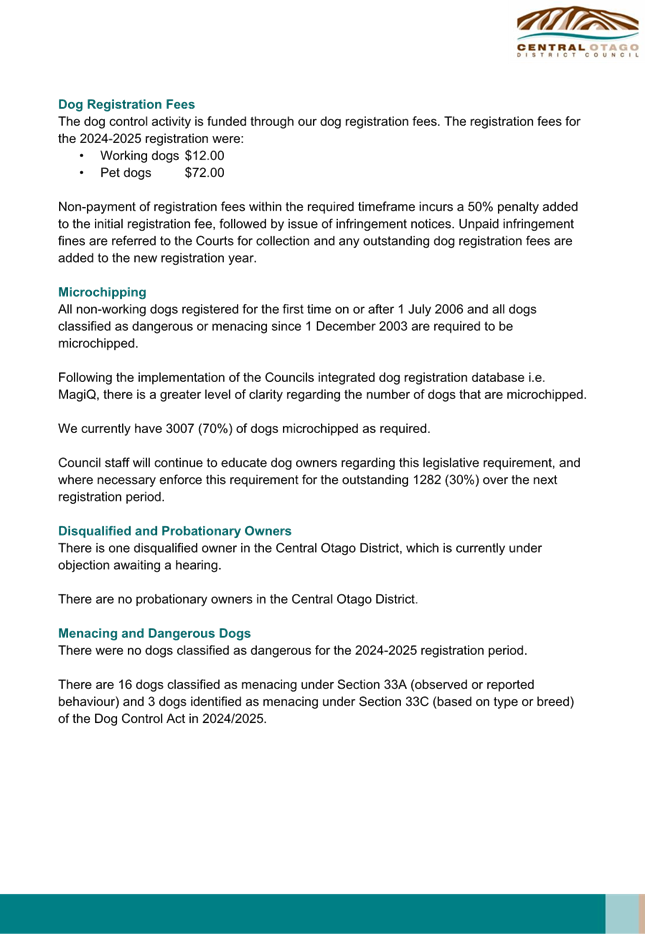
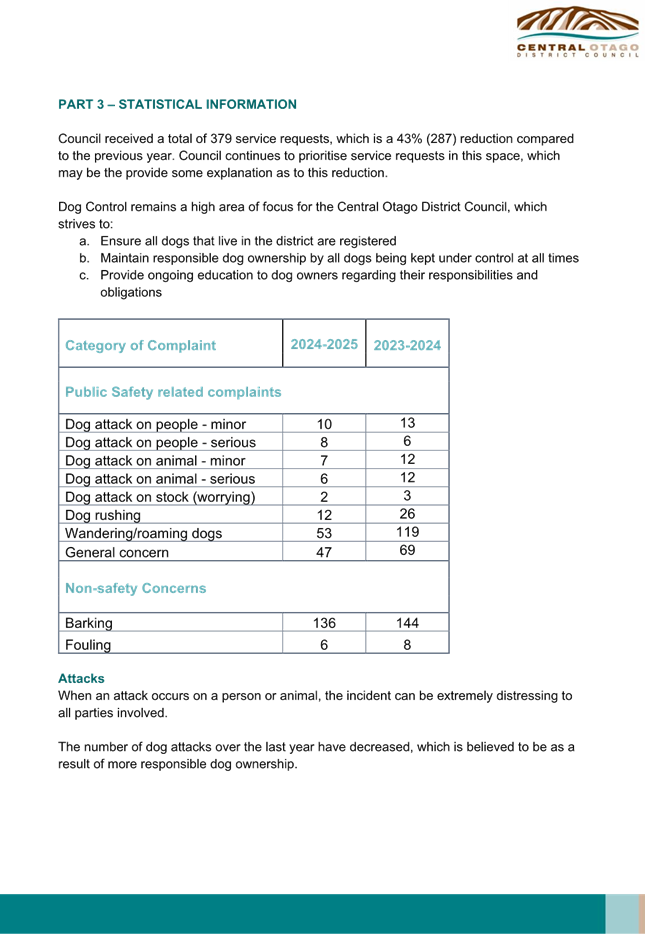
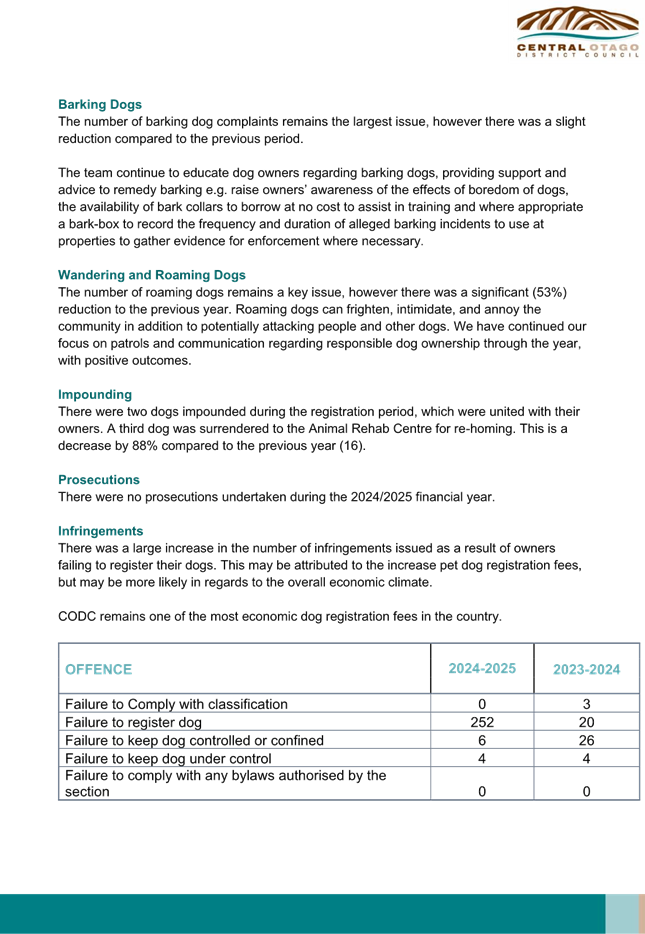
8 Mayor’s
Report
25.15.22 Mayor's
Report
Doc ID: 2430946
1. Purpose
To consider an update from
Her Worship the Mayor.
|
Recommendations
That the Council receives the report.
|
An update on some of the
key projects I’ve been working on this month:
Health – At the
start of July I attended a public meeting in Wanaka to discuss health in the
area with Minister Matt Doocey and several key stakeholders from Health NZ.
This was well facilitated and very well attended by the public, including Central
Otago residents and interested parties.
The following day I met
with Minister Simeon Brown, together with the Southern Lakes Health Steering
committee – myself, Mayor Lewers and local MP’s. The trust has been
working with interested parties, including proposed private/public hospitals
from Southern Infrastructure and Roa, alongside local facilities already in
place such as Dunstan Hospital. The recent announcement that Health NZ will
undertake Clinical Services Planning for our joint districts before the end of
the year is very welcome news.
I attended an event in
Dunedin with Edward Ellison from Ōtākou Marae, to acknowledge the
many decades of mahi Edward has contributed to his people and the wider area,
including the establishment of Aukaha in the late 1990’s. Edward will
remain well engaged with this work, but has stepped down as chairman of the
board. It was an honour to be able to share some thoughts on his efforts from
myself and Tim Cadogan.
After a somewhat false
start with Waitaki, Central Otago, Clutha and Gore have voted to proceed with
Southern Water Done Well planning. We continue to keep a number of other
councils in the loop about progress, and I do anticipate that the three
councils who currently form the group will increase. Southern Water Done Well
is the most affordable way for our people to access water services that are
safe, compliant and sustainable, now and into the future.
Council has begun the work
towards the Te Korowai process, which is exciting. Last week at the LGNZ
conference I facilitated two sessions on how Te Korowai and REG (Road
Efficiency Group) can help Councils to deliver better, more efficient systems
in a way that is easy to explain to their communities. It was very interesting,
and I learned a lot about the power that “knowing your numbers” can
bring to conversations with our people. This will be a big piece for our commns
team, and us, as the DIA dashboards are released later this month.
On the topic of the LGNZ
conference, I have a few key highlights:
- Ron
Mark, Mayor of Carterton, said it is OUR job to educate our public, and our
responsibility to make the hard decisions for the people that elected us to
this table.
- Nick
Smith, Mayor of Nelson – “The government is stepping away from the
table and we’re being left to pick up the tab.” (Talking about the
school bus system)
- Prime
Minster Christopher Luxon “We’re backing councils to get the basics
done brilliantly,” – interestingly not the same as what he said to
the media that afternoon
- Local
Government Minister Simon Watts – “Back to basics is still the
direction of travel”
- Infrastructure
Minister Chris Bishop – “We have to start being a country that says
yes a lot more and no a lot less.” (Not sure how this aligns with saying
no to nice-to-haves as above)
- Sam
Broughton, Mayor of Selywn, Councils will spend $77 billion dollars across the
length of our LTP’s and now own a third of all NZ’s public
infrastructure. We should be aiming to get the best possible value from our
assets.
- Hillmare
Schulze, chief economist of BERL – “We like to compare ourselves to
the likes of Norway, Ireland and Singapore. We haven’t been comparable to
those countries since the 1960s, we are falling behind because we do not have a
vision for our country.”
- I
found myself wholeheartedly agreeing with two points from Deputy PM David
Seymour “Council’s job is to provide a bundle of goods that are not
otherwise available.” And “Ultimately we all want the same thing,
and that is an effective and affordable government.”
We’ve had our first
Joint Committee meeting for the Regional Deal negotiation and appointed ORC
chair Gretchen Roberston as the chair of that committee and congratulations to
Cr Paterson who has been appointed Deputy Chair. Central Government will no
doubt be looking to progress these discussions quickly and we will keep you
updated on where this is at, including as a standing item to this council each
meeting.
Thank you all for your
continued efforts this month of behalf of our communities. You are appreciated.
2. Attachments
Nil
9 Status
Reports
25.15.23 July
2025 Governance Report
Doc ID: 2524865
|
Report Author:
|
Wayne McEnteer, Governance
Manager
|
|
Reviewed
and authorised by:
|
Saskia Righarts, Group Manager -
Governance and Business Services
|
1. Purpose
To report on items of general interest, receive minutes and
updates from key organisations, consider Council’s forward work
programme, business plan and status report updates.
|
Recommendations
That the report be received.
|
2. Discussion
Status Reports
The status reports have
been updated with any actions since the previous meeting (see Appendix 1).
3. Attachments
Appendix 1 - Council Status
Updates ⇩
|
Council
meeting
|
30 July
2025
|
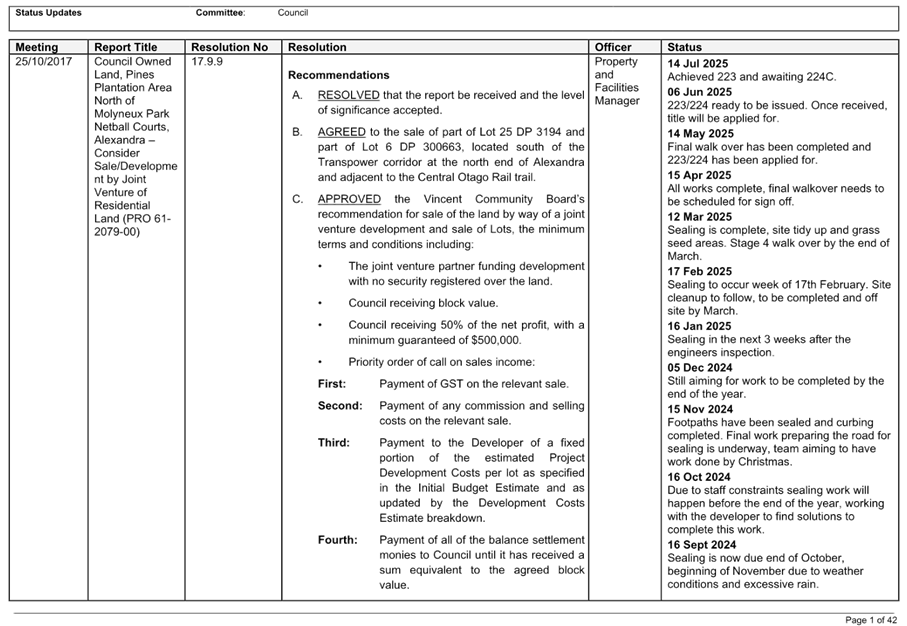
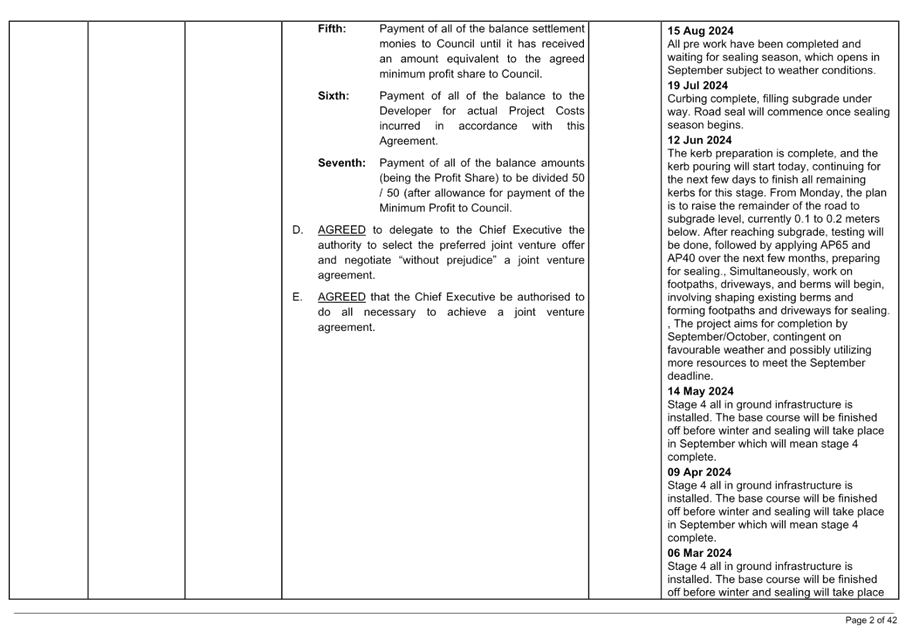




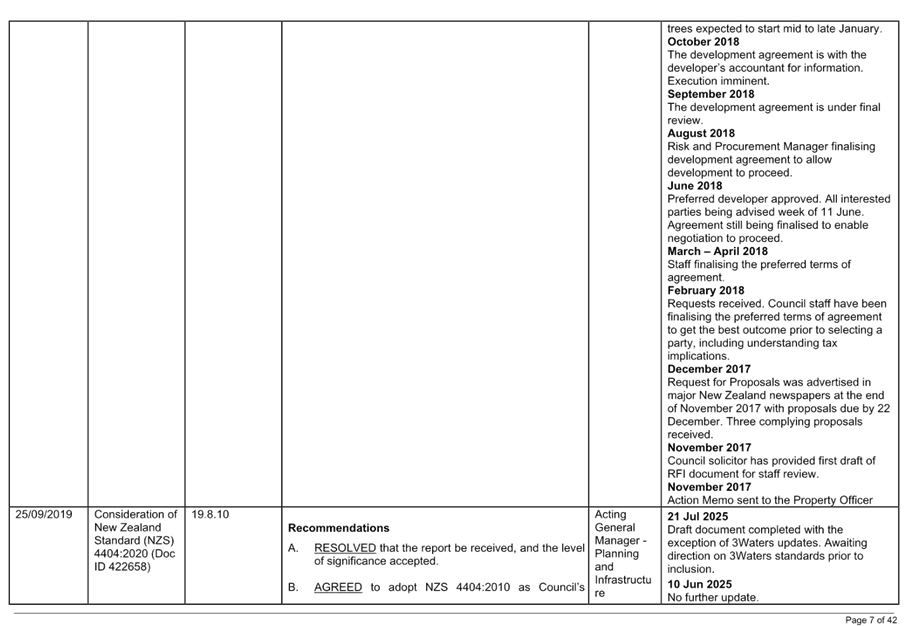
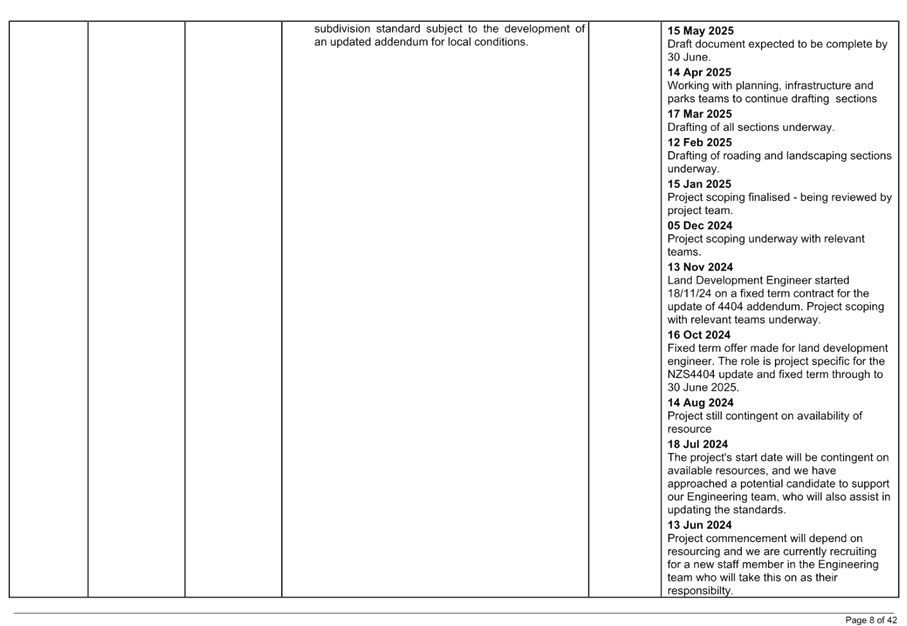

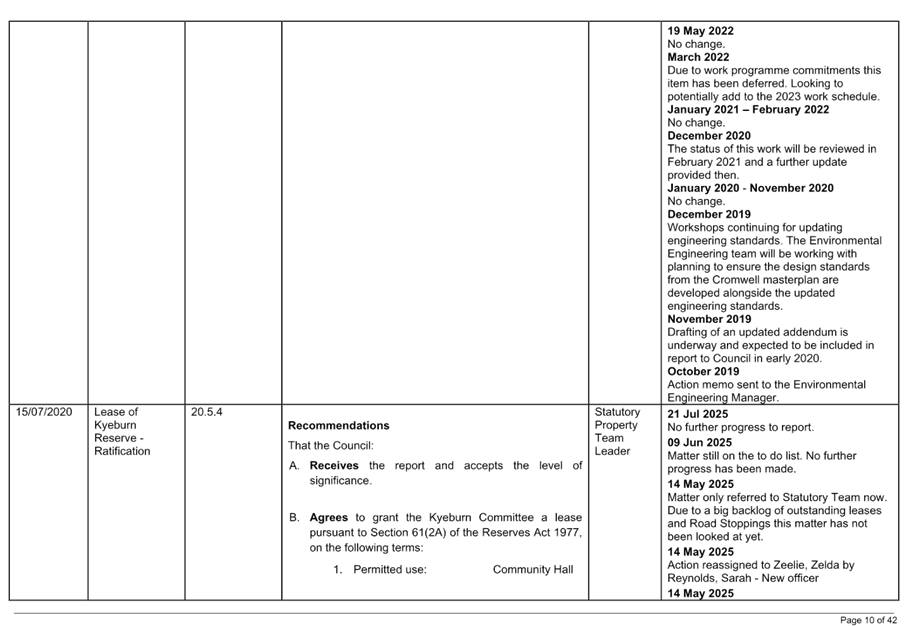
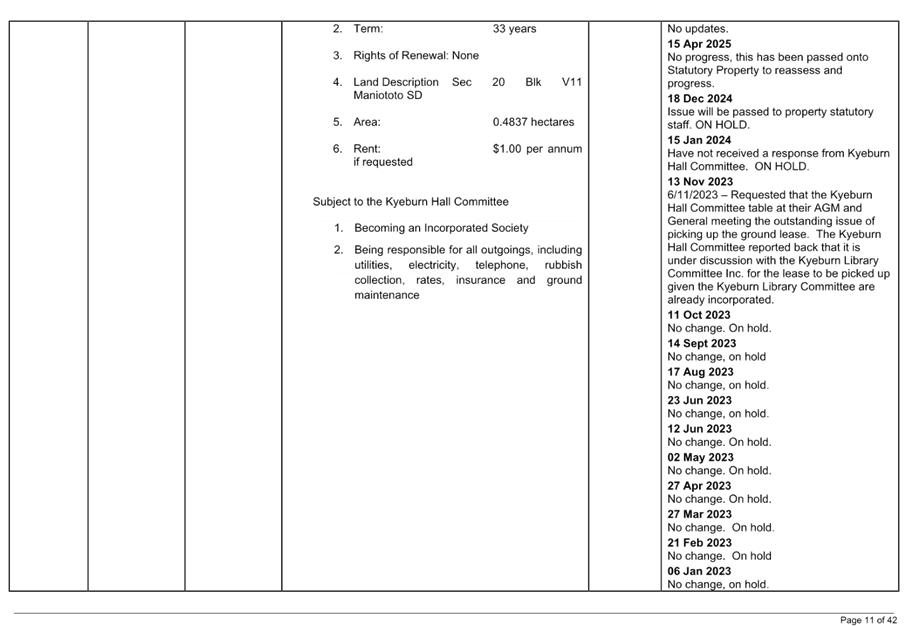

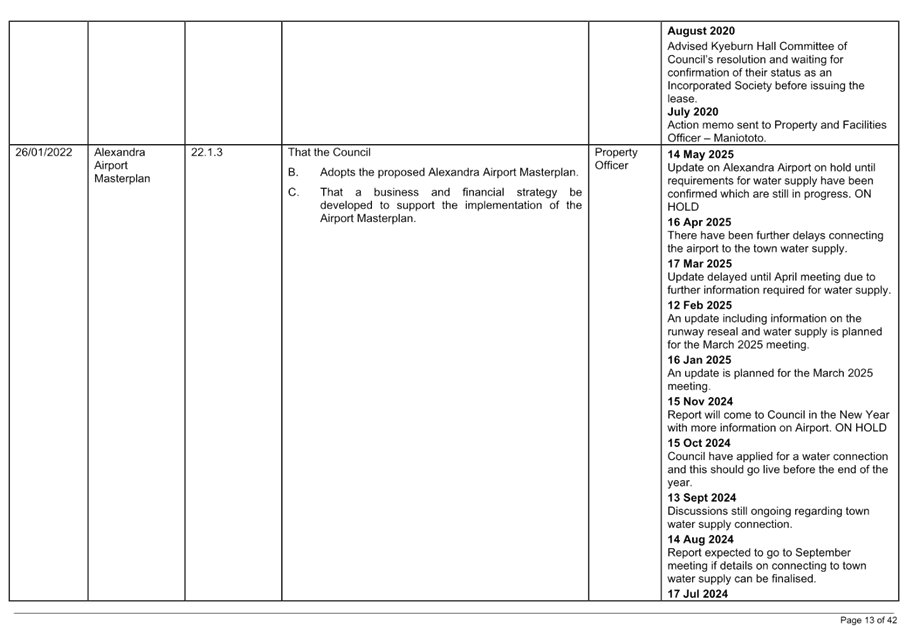


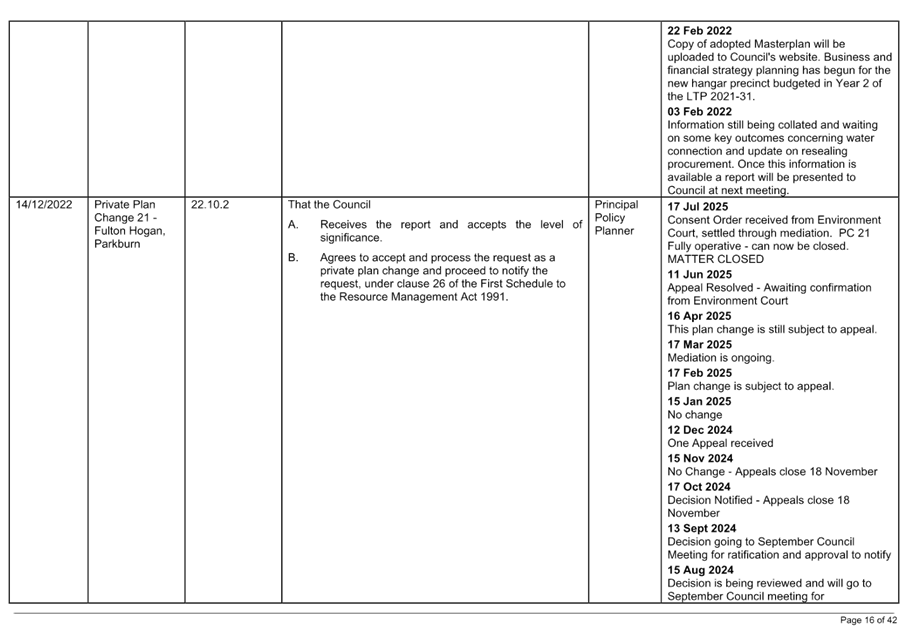

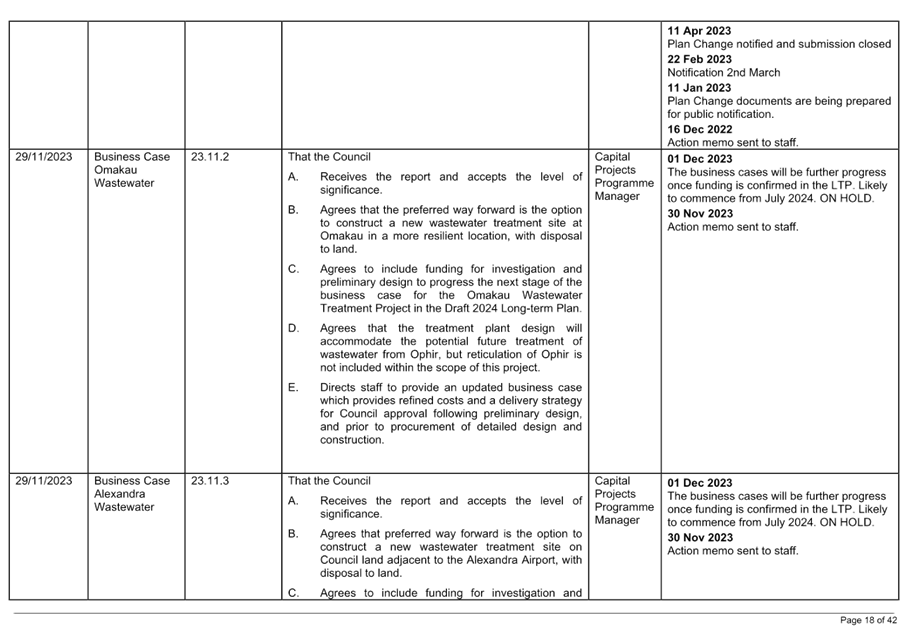
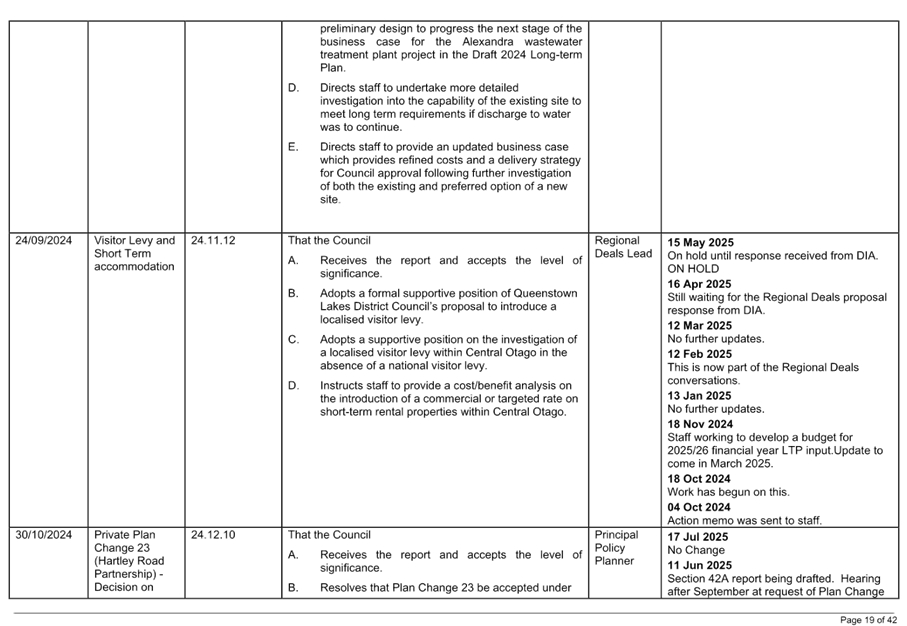
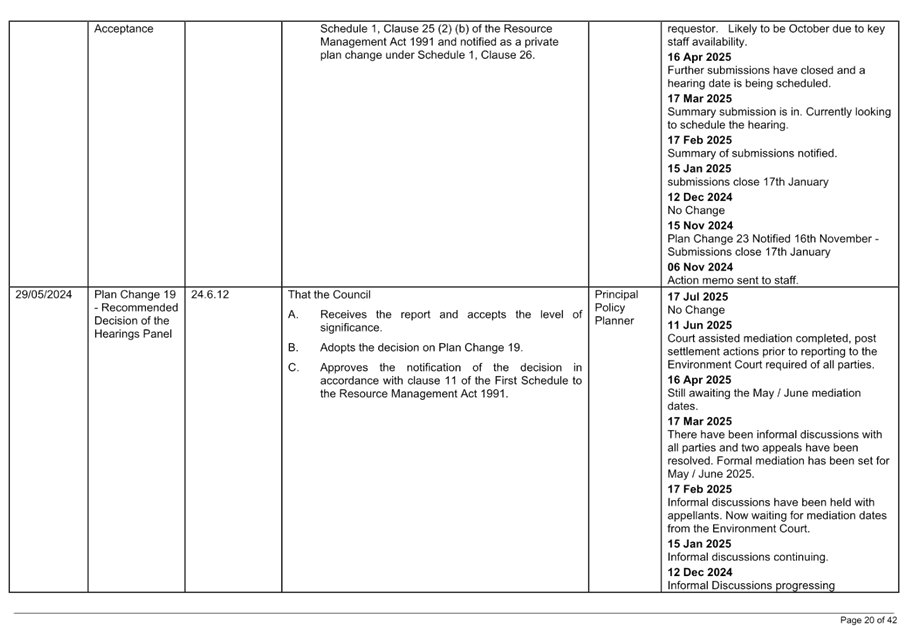
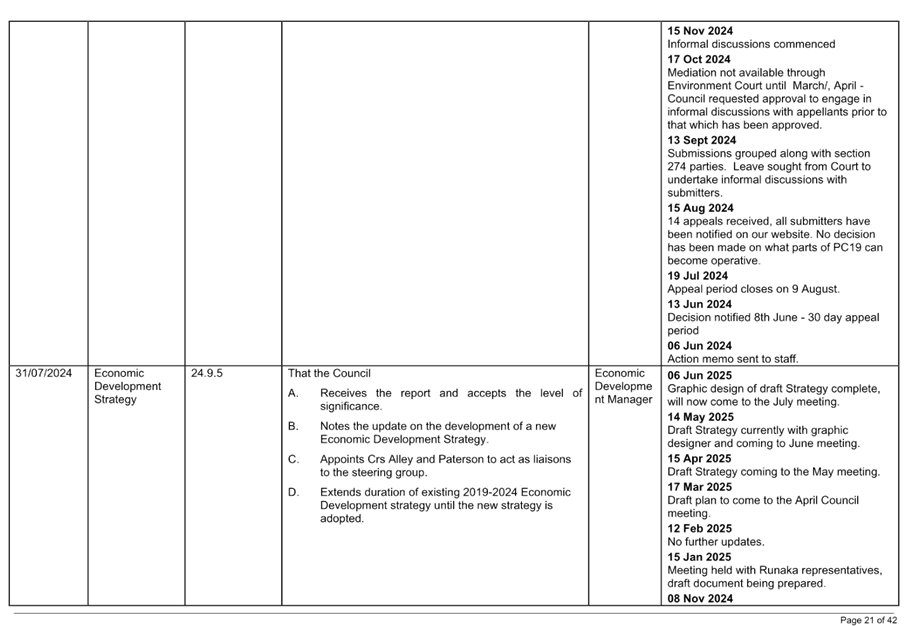
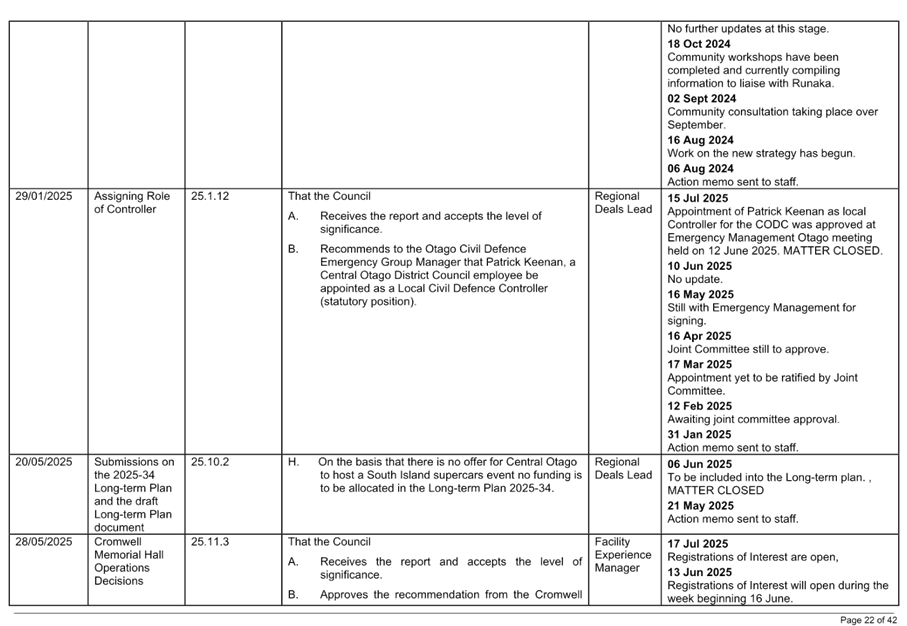
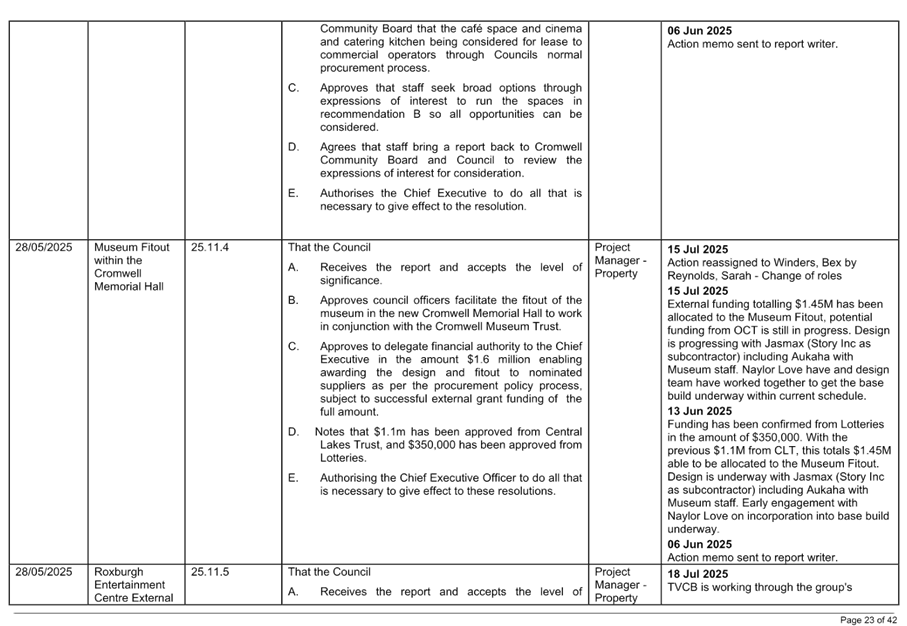
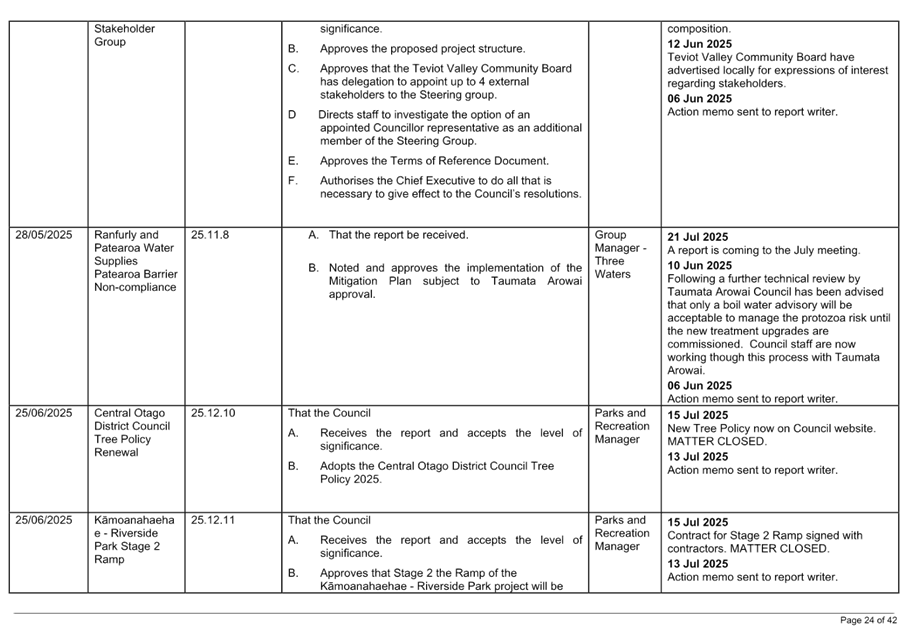
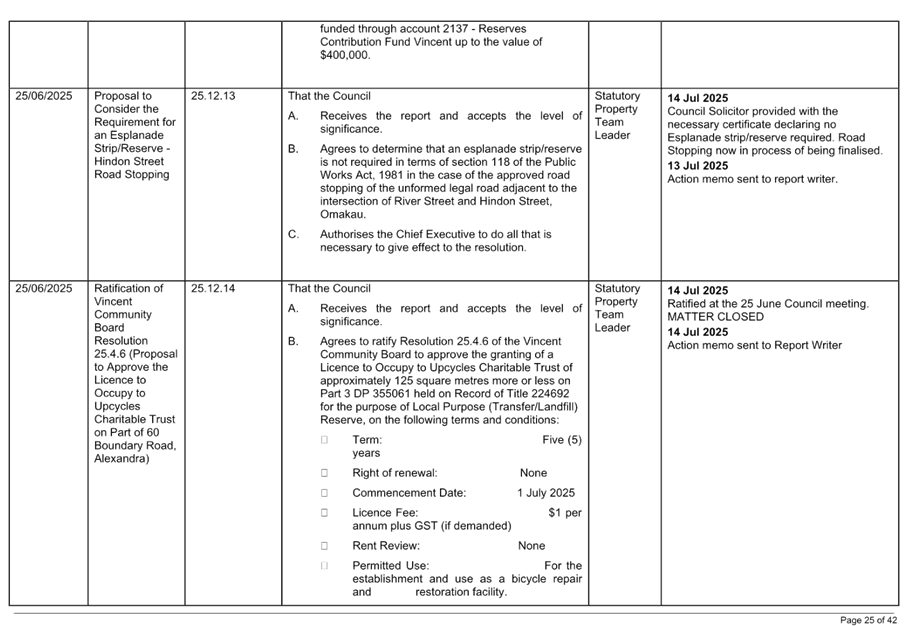
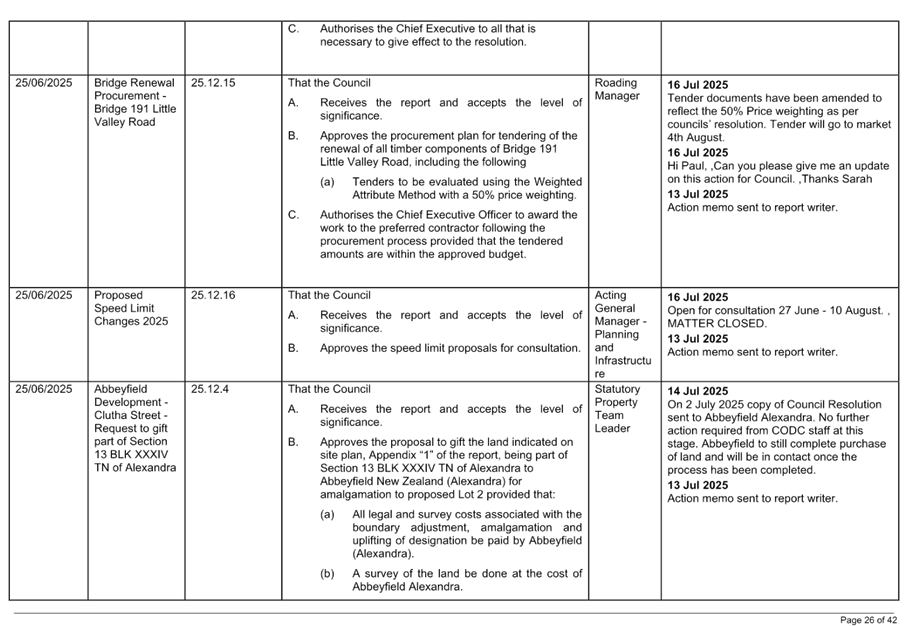
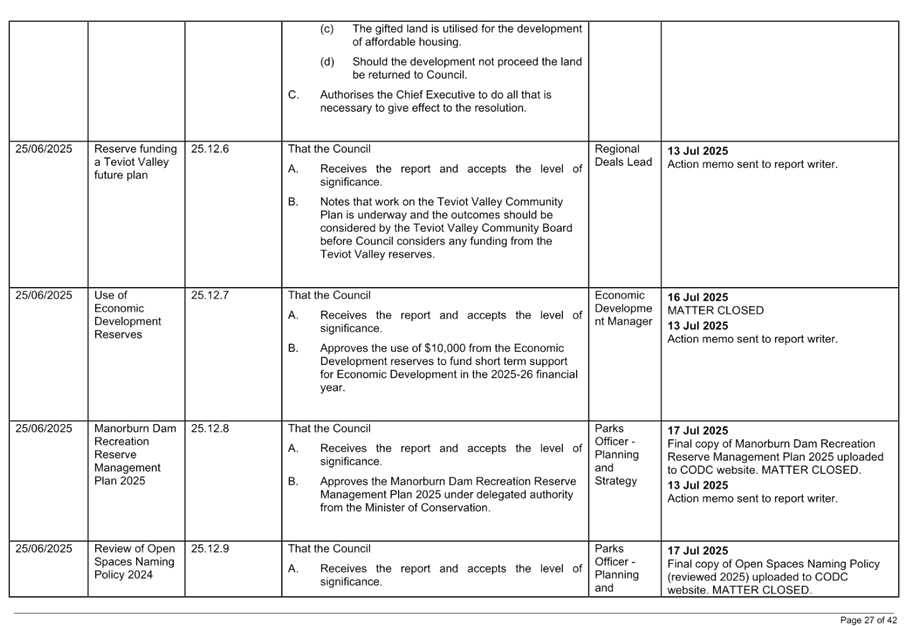
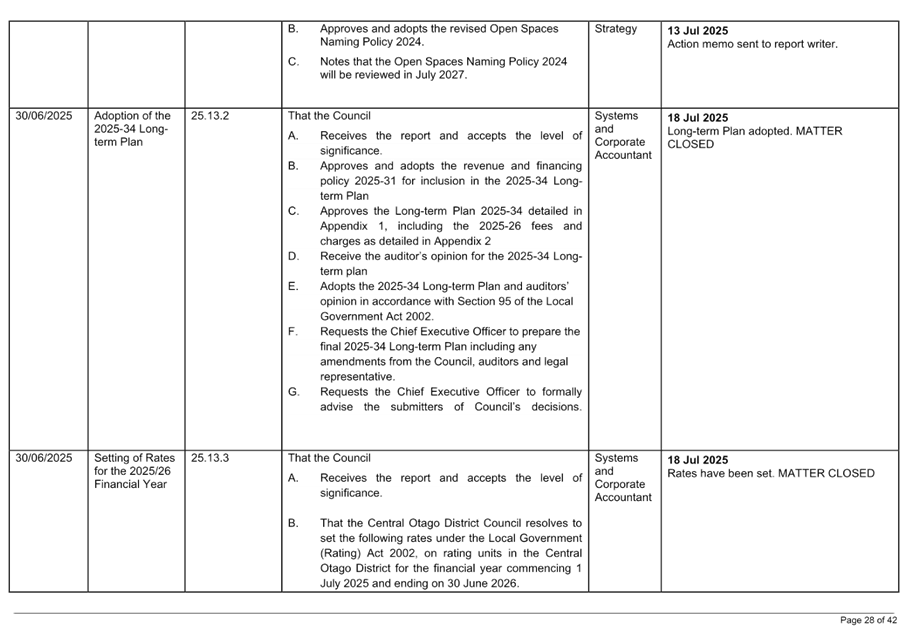
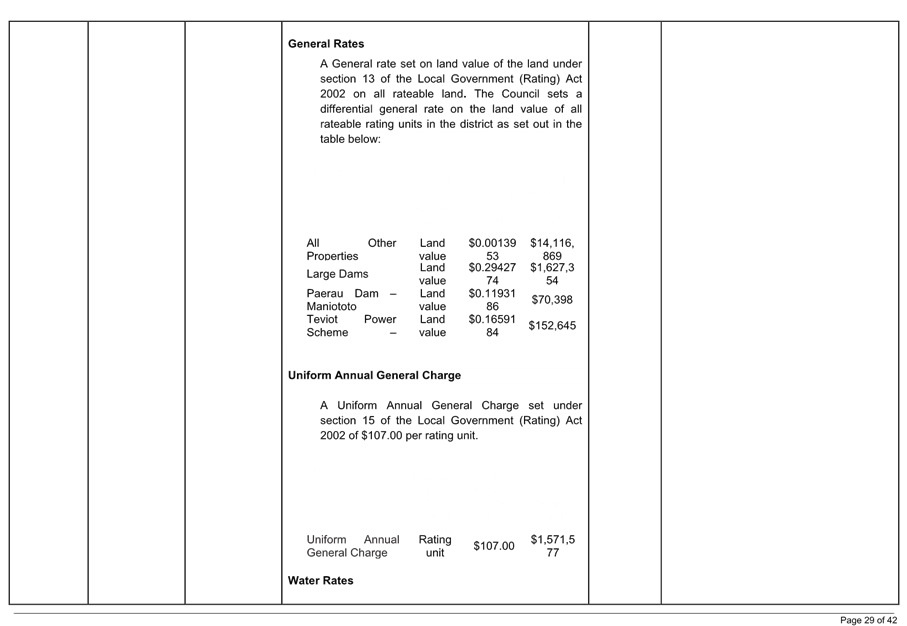
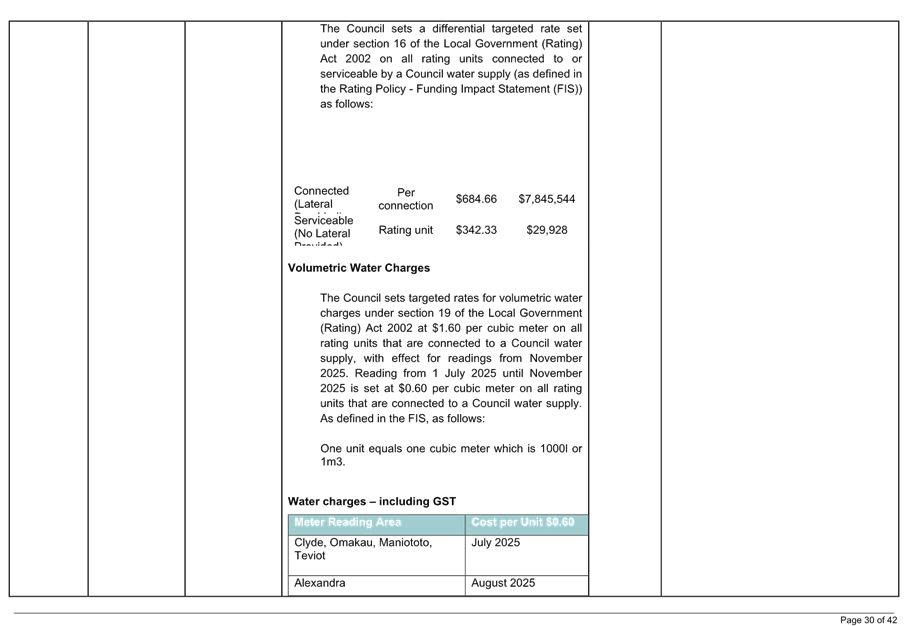
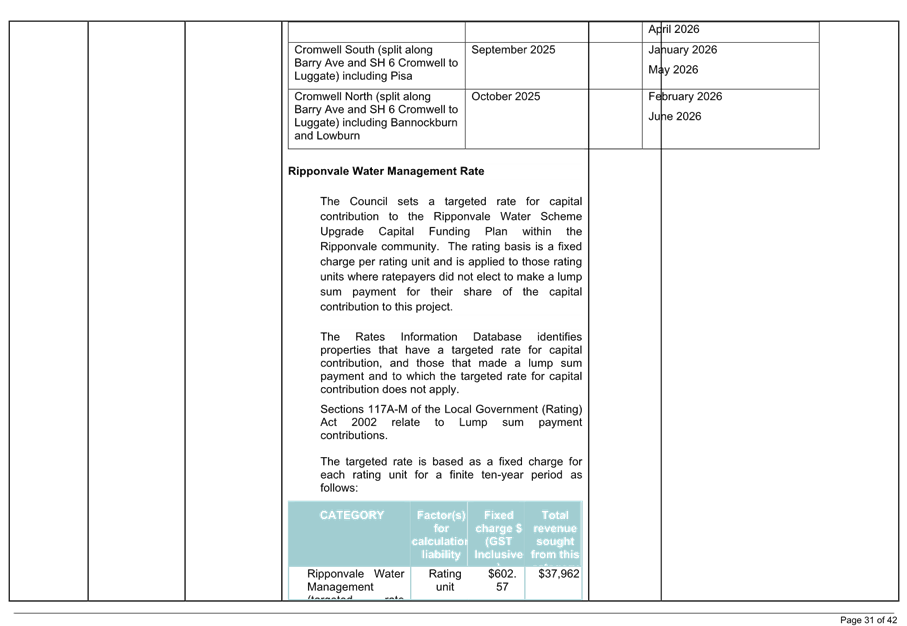
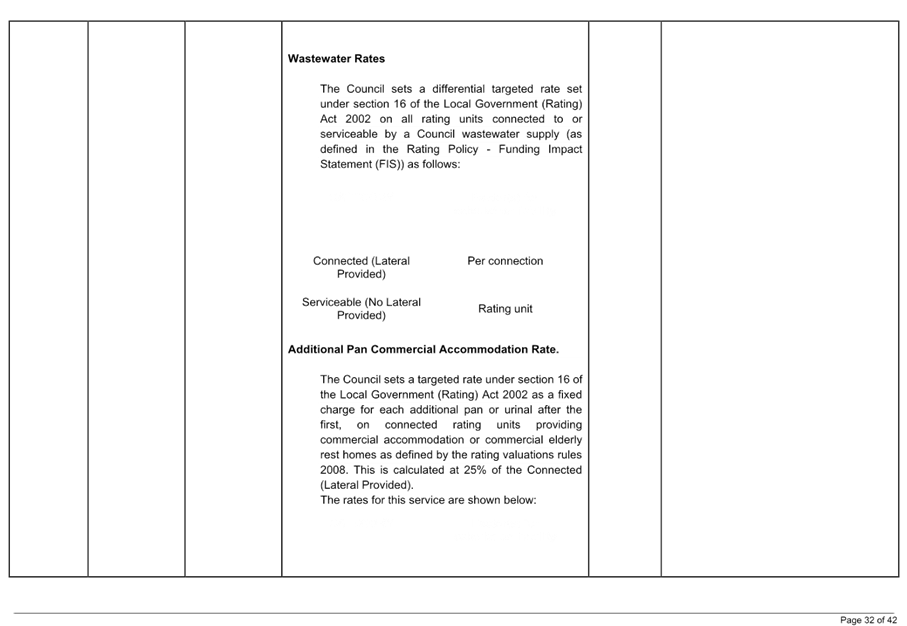
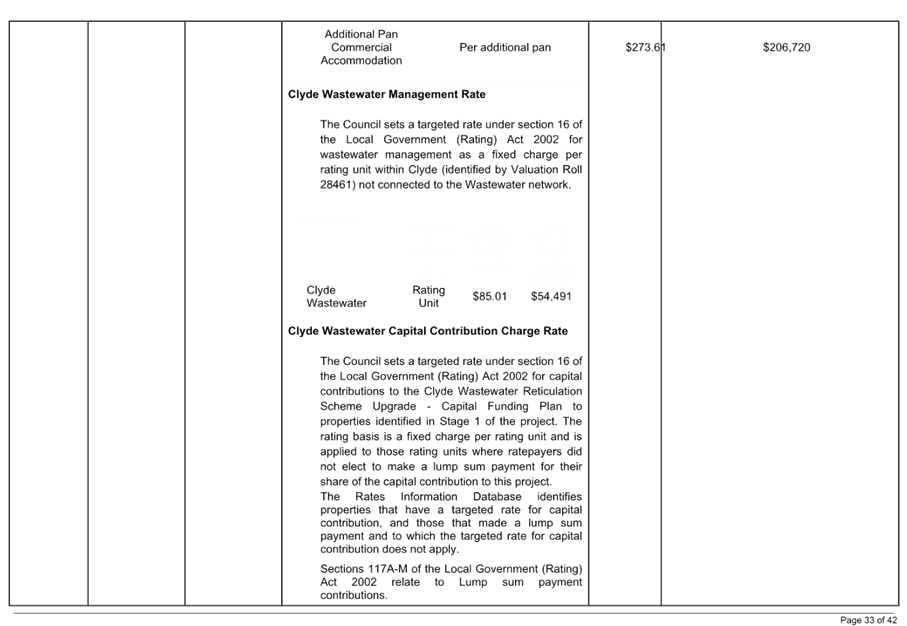
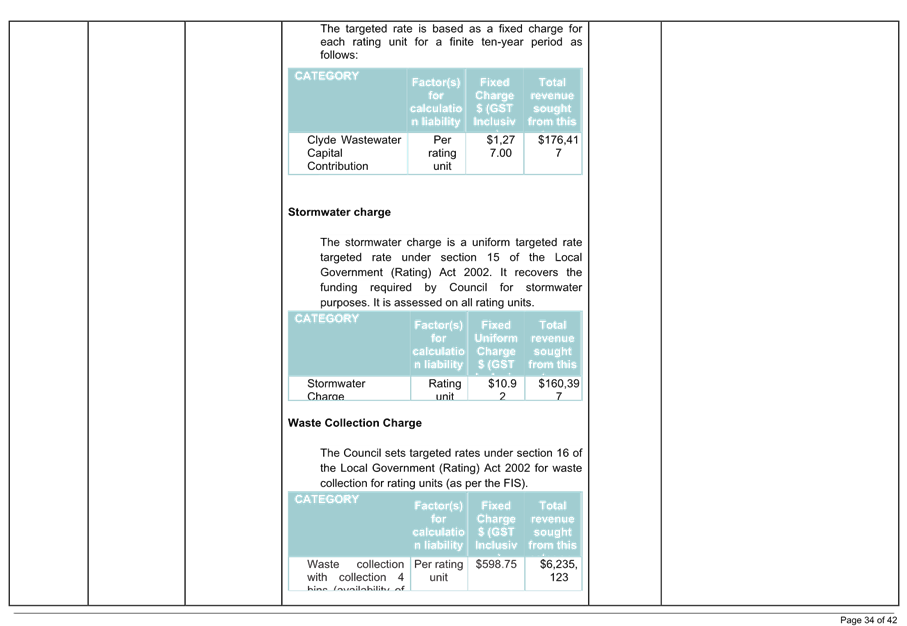
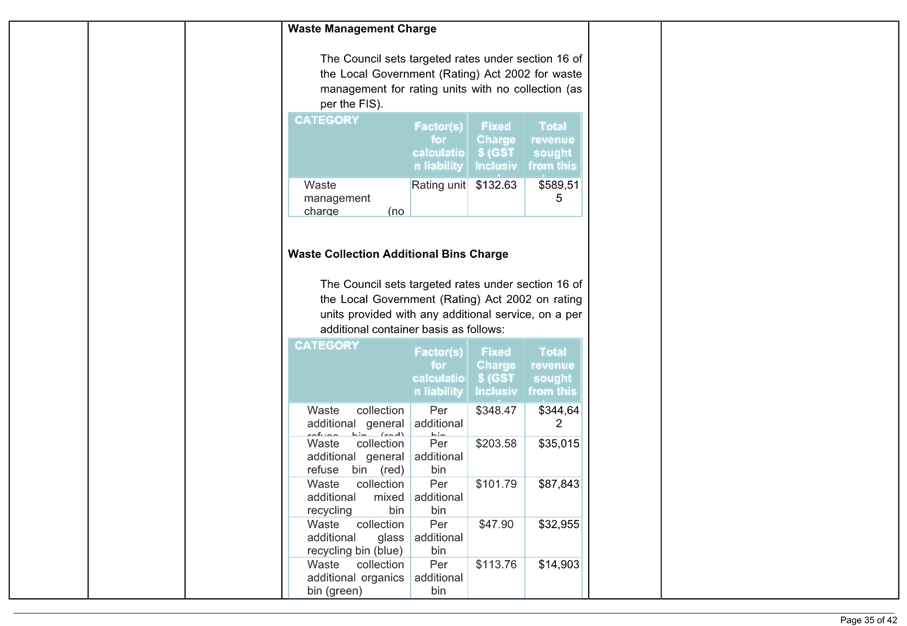
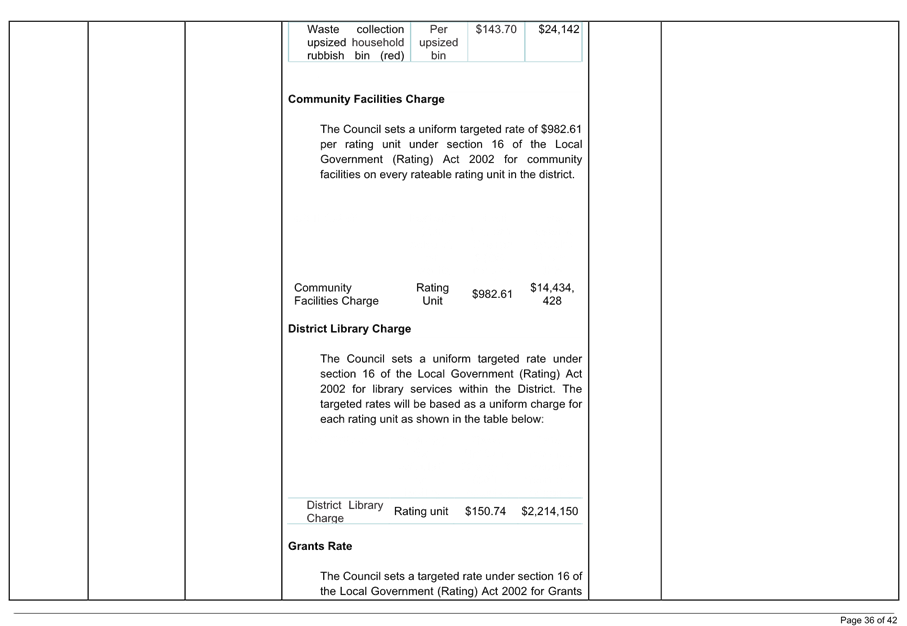
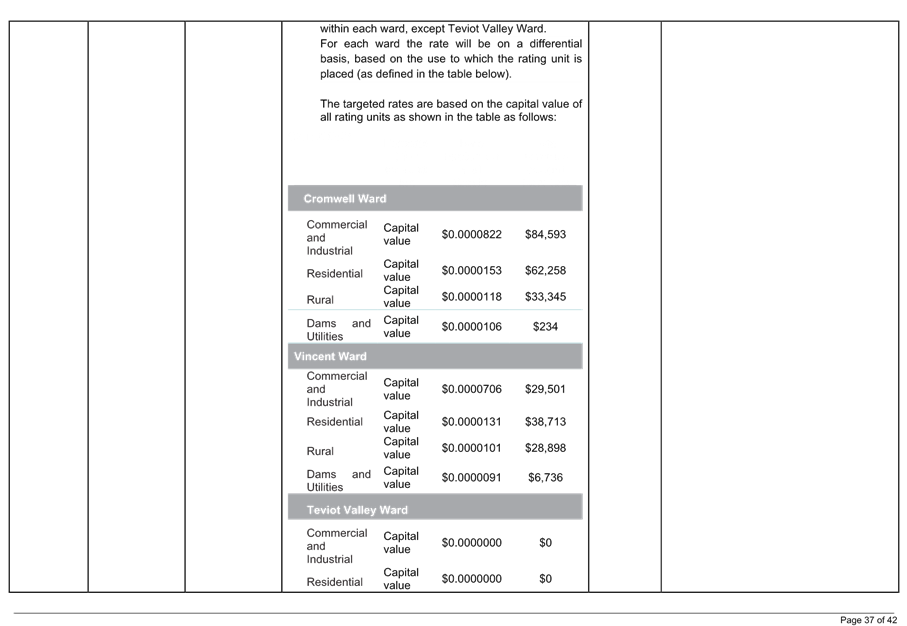
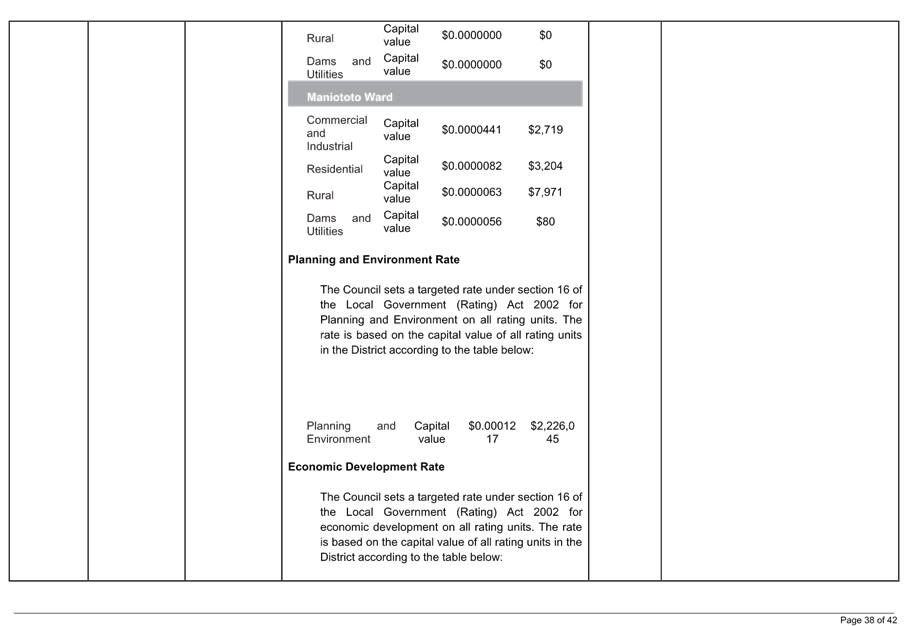
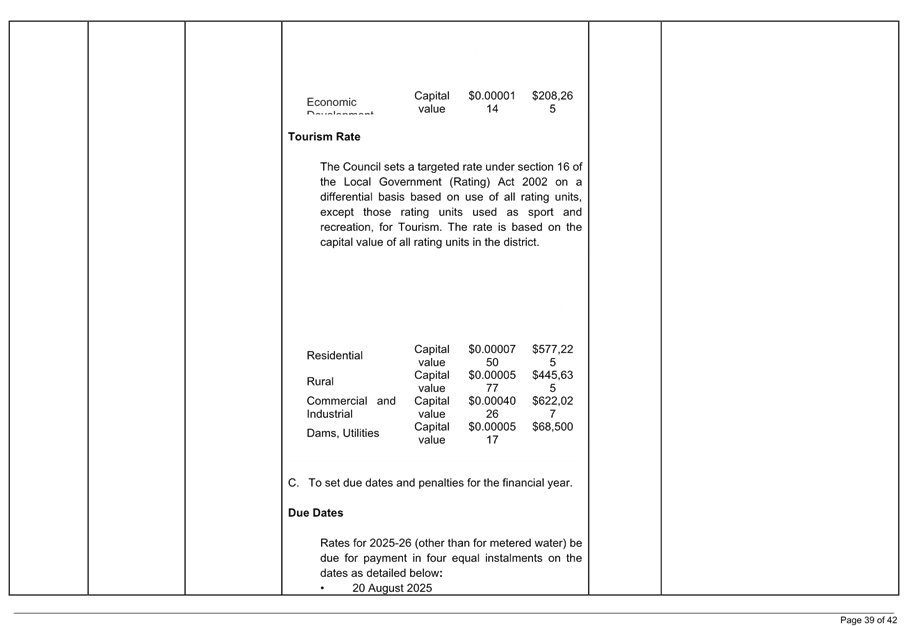
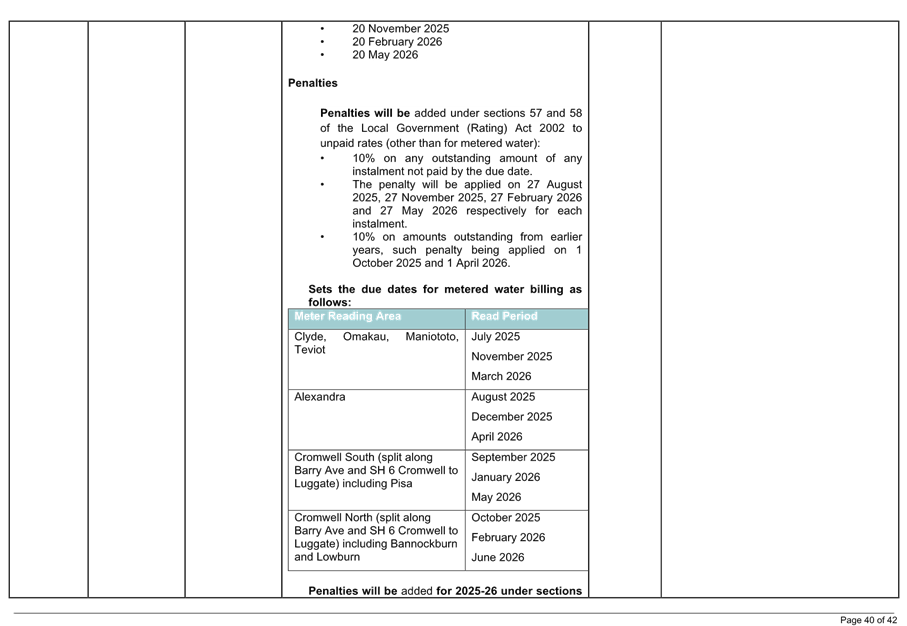
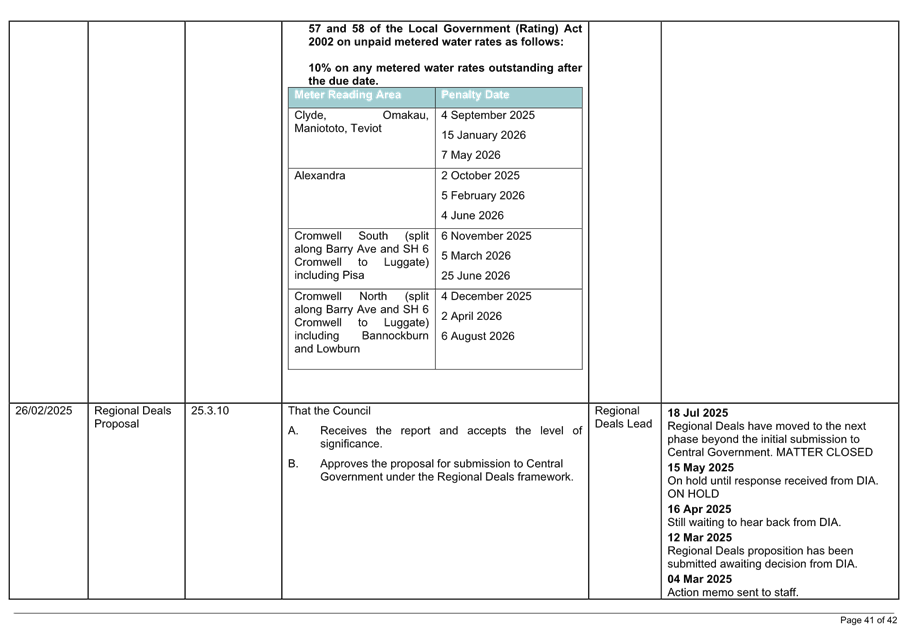
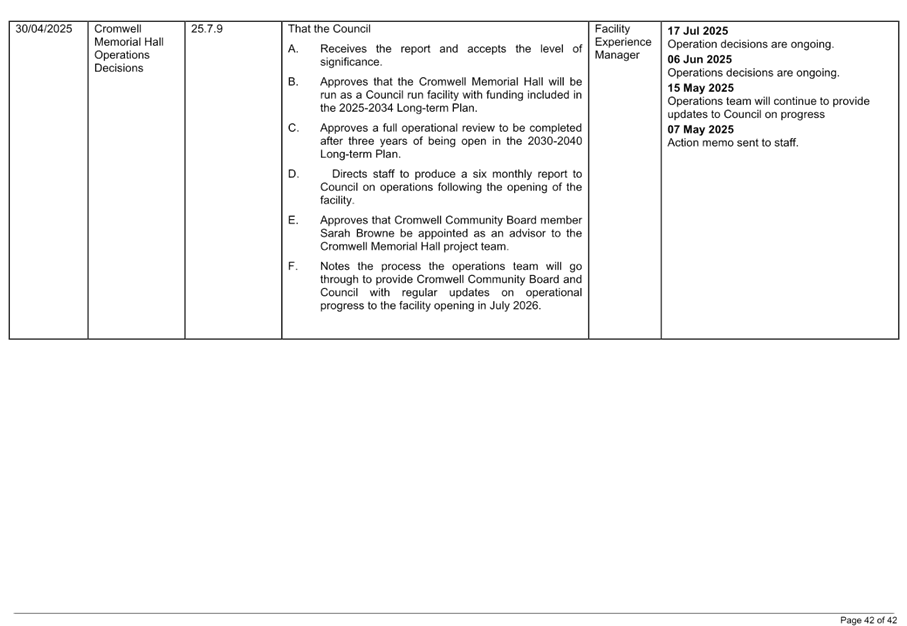
10 Community
Board Minutes
25.15.24 Minutes
of the Vincent Community Board Meeting held on 9 June 2025
Doc ID: 2522828
|
Report Author:
|
Sarah Reynolds, Governance
Support Officer
|
|
Reviewed
and authorised by:
|
Saskia Righarts, Group Manager -
Governance and Business Services
|
|
Recommendations
That the unconfirmed Minutes of the Vincent
Community Board Meeting held on 9 June 2025 be noted.
|
1. Attachments
Appendix 1 - Minutes of the
Vincent Community Board Meeting held on 9 June 2025

MINUTES OF A mEETING OF THE
Vincent Community
Board
HELD IN THE Ngā
Hau e Whā, William Fraser Building, 1 Dunorling Street, Alexandra
AND LIVE STREAMED VIA MICROSOFT TEAMS ON Monday, 9 June 2025 COMMENCING AT
10.00 am
PRESENT: Mr
J Cromb (Chairperson), Dr R Browne, Cr L Claridge, Mr T Hammington, Mr D
Johns, Cr M McPherson,
IN ATTENDANCE: T Alley (Mayor) via Microsoft
Teams, P Kelly (Chief Executive Officer), S
Righarts (Acting Group Manager - Community Experience), D Rushbrook (Regional
Partnership Lead), P Morris (Acting Group Manager – Governance and
Business Services), L van der Voort (Group Manager - Planning and
Infrastructure), Q Penniall (Infrastructure Manager), G Robinson (Properties
and Facilities Manager), D McKewen (Acting Chief Financial Officer), G Bailey
(Parks and Recreation Manager), M Burnett (Parks Officer – Strategy and
Planning) , Z Zeelie (Team Leader Statutory Property), R Williams (Community
Development Officer), S Reynolds (Acting Governance Manager)
1 Apologies
|
Committee Resolution
Moved: Cromb
Seconded: Browne
That apologies from Cr T Paterson be received and
accepted.
Carried
|
2 Public
Forum
Ken Churchill- Aronui
Reserve
Mr Churchill presented a
slide show outlining the work that had been completed at the site of Aronui
Dam. He spoke about the spread of raupō, and noted that a stone wall
on the site was subsiding. He requested that Council accessed the reserve
and looked at options for removal of raupō.
Nicola Rae - Airport Reserve wilding pines and pests
Ms Rae spoke about
wilding conifers at the airport reserve and noted the rapid spread of the
confiders over recent years. She said she had been removing saplings
actively, but the remaining ones require machinery for removal. She
requested that the council create a plan for the reserve and inform the
community about a timeline the removal. She noted the situation with the
rabbits on the reserve and mentioned that the current sporadic pest control
programme was inadequate.
Ms Rae then responded to
questions.
Professor Brian Boyle- Winterstellar
Professor Boyle discussed
his role in the Winterstellar programme and highlighted Central Otago's
excellent star-gazing spots. He emphasized the issue of artificial light
pollution and noted that had found that communities generally supported
reducing street lighting for better visibility of stars. He noted that
obtaining International Dark Sky reserve accreditation was lengthy but felt
confident in the team working toward this accreditation. He requested
that the board gave their support to this work and responded to questions.
Darryl Jones – on behalf of Lauder community
Mr Jones highlighted
Lauder's efforts and community support for the dark sky initiative. He
requested a letter from the Council to endorse the project and highlighted the
business and tourism opportunities from the accreditation.
Mr Jones then responded
to questions.
Ewan Johnstone and Andy Davey – on behalf of St Bathans & Cambrian
community
Mr Johnstone and Mr Davey
spoke to the project work that had taken place with regards to the Winterstellar
Astronomical Site project. The board requested a letter of support for
this work and asked for communication and consideration of their objectives
across council departments, including planning and regulatory teams.
Rory McLellan –
Kāmoanahaehae Riverside Park
Mr McLellan thanked the
board for their continued commitment and support to the project. He stated that
the project's original objective was to connect the town centre to the river. The
trust had been coordinating with Contact Energy in their revision of the
Landscape and Visual Amenity Management Plan, and with the Wairoa-Manuherekia
Trust to align with their work near the site.
Mr McLellan then
responded to questions.
3 Confirmation
of Minutes
|
Committee Resolution
Moved: Browne
Seconded: Johns
That the public minutes of the Vincent Community Board
Meeting held on 29 April 2025 be confirmed as a true and correct record.
Carried
|
4 Declarations
of Interest
Members were reminded of
their obligations in respect of declaring any interests. There were no further
declarations of interest.
Dr. Browne noted his
resignation from the Central Otago REAP board after serving for fourteen years.
Mr Cromb also noted that
as he sits on the Kāmoanahaehae Riverside Park working group he would not
vote on item 25.4.2.
5 Reports
|
25.4.2 Kāmoanahaehae
- Riverside Park Stage 2 Ramp
|
|
To
consider allocating funding to complete stage 2 the Ramp at Kāmoanahaehae - Riverside Park.
The initial design did not fully anticipate engineering
requirements. Due to the site's flood risk, rust-proof stainless steel
fittings were needed, adding extra cost.
It was also noted that the original estimates from six
years ago had significantly increased for all aspects of the project.
|
|
Committee Resolution
Moved: McPherson
Seconded: Claridge
A. Receives
the report and accepts the level of significance.
B. Recommends
to Council that Stage 2 the Ramp of the Kāmoanahaehae - Riverside Park
will be
funded through account 2137 - Reserves Contribution Fund Vincent up to the
value of $400,000.
C. Notes
that the completion of Stage 2 will be dependent on river levels and consent requirements.
Carried with Mr Cromb abstaining from the
vote
|
Note: Mr Andy Davey
and Ms Mary-Anne Baxter joined the meeting for item 25.4.3
|
25.4.3 Alexandra
District Museum Inc. Accountability Report 2022-2023 Financial Year
|
|
To provide an
accountability report on the objectives and actions of the Alexandra District
Museum Inc, over the 2023/24 financial year.
It was noted that the
organisation could consider making an application for a contestable grant for
an activities outside of their general museum activities.
Ms. Baxter addressed the centre's resourcing issues,
noting the recent reduction in opening hours due to this. She commented that
she joined the board in order to support the organisation with staffing
challenges and ensure the facility's continued operation.
|
|
Committee Resolution
Moved: McPherson
Seconded: Johns
That the report be received.
Carried
|
Note: Mr Hammington left
the meeting at 11.34 am and returned at 11.36 am
|
25.4.4 Draft
Manorburn Dam Recreation Reserve Management Plan for Approval
|
|
Approve
the draft Manorburn Dam Recreation Reserve Management Plan and recommend that
Council adopt the Plan under its delegated Reserves Act 1977 authority from
the Minister of Conservation.
The modifications
subsequent to the presentation of the draft plan were detailed, and the
recommended revisions had been implemented.
|
|
Committee Resolution
Moved: Johns
Seconded: Claridge
That the Vincent Community Board
A. Receives
the report and accepts the level of significance.
B. Recommends
that the suggested amendments and changes to the plan are approved
C. Recommends to
Council the adoption of the amended Manorburn Dam Recreation Reserve
Management Plan under its delegated authority from the Minister of
Conservation.
Carried
|
|
25.4.5 Tree
Planting Reserve State Highway 8 Alexandra
|
|
To
consider allocating funding for the grinding of tree stumps in the Tree
Planting Reserve adjacent to State Highway 8 Alexandra.
It was noted that the
cost to remove the stumps was considerable and there was consideration given
that these funds could be better invested in a future planting scheme.
|
|
Committee Resolution
Moved: Browne
Seconded: Hammington
That the Vincent Community Board
A. Receives
the report and accepts the level of significance.
B. Agrees not grind
stumps within the Tree Planting Reserve adjacent to State Highway 8.
C. Notes that if
approved the Ngai Tahu Properties Limited subdivision application may have an
impact on how this reserve is developed.
Carried with Mr Cromb recording his vote
against.
|
|
25.4.6 Proposal
to Approve the Licence to Occupy to Upcycles Charitable Trust on Part of 60
Boundary Road, Alexandra
|
|
To consider
the approval of a Licence to Occupy to Upcycle Charitable Trust being
approximately 125 square metres more or less on Part Lot 3 DP 355061 held on
Record of Title 224692 for the purpose of Local Purpose (Transfer/Landfill)
Reserve.
|
|
Committee
Resolution
Moved: Browne
Seconded: McPherson
That
the Vincent Community Board
A.
Receives the report and
accepts the level of significance.
B.
Recommends to Council to
approve the granting of a Licence to Occupy to Upcycles Charitable Trust of
approximately 125 square metres more or less on Part 3 DP 355061 held on
Record of Title 224692 for the purpose of Local Purpose (Transfer/Landfill)
Reserve, on the following terms and conditions:
•
Term: Five (5) years
•
Right of renewal: None
•
Commencement Date: 1 July 2025
•
Licence Fee: $1 per annum plus GST (if demanded)
• Rent
Review: None
• Permitted Use: For the establishment and use as a
bicycle repair and restoration facility.
C.
Authorises the Chief Executive
to all that is necessary to give effect to the resolution.
Carried
|
|
25.4.7 Proposal
to Revoke Part of Resolution 25.3.2
|
|
To
consider the proposal to revoke part of resolution 25.3.2 from the Vincent
Community Board meeting on 29 April 2025.
|
|
Committee Resolution
Moved: Browne
Seconded: Johns
That the Vincent Community Board
A. Receives
the report and accepts the level of significance.
B. Agrees to revoke
Resolution 25.3.2 item B, as the Blossom Festival Committee will be receiving
funding from Council for the next two years, following the 2025-34 Long-term
Plan deliberations.
C. Authorises the Chief Executive to do all that is
necessary to give effect to the resolution.
Carried with Cr McPherson abstaining from
the vote
|
|
25.4.8 Vincent
Financial Report for the Period Ending 31 March 2025
|
|
To consider the financial
performance overview as at 31 March 2025.
|
|
Committee Resolution
Moved: Cromb
Seconded: Hammington
That the report be received.
Carried
|
Note: Cr McPherson left the
meeting at 12.01 pm and returned at 12.08 pm.
6 Mayor’s
Report
|
25.4.9 Mayor's
Report
Her Worship the Mayor
gave an update on activities and issues with in Vincent Community Ward since
the last meeting. See report attached.
|
|
Committee Resolution
Moved: McPherson
Seconded: Claridge
That the Vincent Community Board receives the report.
Carried
|
|
Attachments
1 Mayors
Report
|
7 Chair's
Report
|
25.4.10 Chair's
Report
|
|
The
Chair gave an update on activities and issues since the last meeting. See
report attached.
|
|
Committee Resolution
Moved: Cromb
Seconded: McPherson
That the report be received.
Carried
|
|
Attachments
1 Chairs
Report - 9 June 2025
|
8 Members'
Reports
|
25.4.11 Members'
Reports
|
|
Members
gave an update on activities and issues since the last meeting.
Mr Hammington reported
on the following:
·
Had attended an Elevate business breakfast.
·
Had attended two Promote Dunstan meetings.
·
Had attended a Blossom festival meeting.
·
Had been involved in a planting day for Keep Alexandra Clyde
Beautiful.
Cr
Claridge reported on the following:
·
Gave an update on recent Council activities, noting the
hearings and deliberations on the Long-term Plan.
Cr
Mcpherson gave an update on the following:
·
Gave an update on recent Hearing Panel meetings.
·
Gave an overview of recent Council meetings.
Mr
Johns reported on the following:
·
Had attended Alexandra Rugby Club and Alexandra golf club
meetings
·
Attended a meeting with staff to consider options for Vallance
Cottage.
Dr
Browne reported on the following:
·
Attended a meeting of Keep Alexandra Clyde Beautiful.
·
Attended a meeting of Alexandra and District Museum board.
·
Chaired two meetings of the Creative Writers Circle.
·
Gave a talk to Alexandra U3A.
·
Attended two Elevate business group breakfast meetings.
·
Attended a meeting of the Central Otago District Arts Trust.
·
Attended a meeting of staff of CODC and Central Stories to
review their relationship.
·
Stepped down from the board of Central Otago REAP after 14
years, including eight as chair.
·
Attended a meeting of Elevate with Joseph Mooney and Miles
Anderson.
·
Attended the opening of the refurbished Henderson House.
·
Enjoyed a performance by Waiata Theatre of “The Hunchback
of Notre Dame”.
·
Performed with the Central Otago Regional Orchestra in Cromwell
and Arrowtown.
|
|
Committee Resolution
Moved: Cromb
Seconded: Hammington
That the report be received.
Carried
|
9 Status
Reports
|
25.4.12 June
2025 Governance Report
|
|
To
report on items of general interest, receive minutes and updates from key organisations
and consider the status report updates.
A
verbal update was given on the status of the play strategy work.
|
|
Committee Resolution
Moved: Browne
Seconded: Johns
That the report be received.
Carried
|
10 Date
of The Next Meeting
The date of the next
scheduled meeting is 29 July 2025.
11 Resolution
to Exclude the Public
|
Committee Resolution
Moved: Cromb
Seconded: Browne
That the public be excluded from the following parts of
the proceedings of this meeting.
The general subject matter of each matter to be considered
while the public is excluded, the reason for passing this resolution in
relation to each matter, and the specific grounds under section 48 of the
Local Government Official Information and Meetings Act 1987 for the passing
of this resolution are as follows:
|
General subject of each matter to be
considered
|
Reason for passing this resolution in
relation to each matter
|
Plain English Reason
|
|
25.4.13 - Legalisation and Sale of
part of Mutton Town Road
|
s7(2)(b)(ii) - the withholding of the information
is necessary to protect information where the making available of the
information would be likely unreasonably to prejudice the commercial
position of the person who supplied or who is the subject of the information
|
Commercial sensitivity
|
Carried
|
The public were excluded at 12.30 pm and the meeting closed
at 12.56 pm
|
30 July 2025
|
|
25.15.25 Minutes of the Cromwell
Community Board Meeting held on 17 June 2025
Doc ID: 2523399
|
Report Author:
|
Sarah Reynolds, Governance
Support Officer
|
|
Reviewed
and authorised by:
|
Saskia Righarts, Group Manager -
Governance and Business Services
|
|
Recommendations
That the unconfirmed Minutes of the Cromwell
Community Board Meeting held on 17 June 2025 be noted.
|
1. Attachments
Appendix 1 - Minutes of the
Cromwell Community Board Meeting held on 17 June 2025
|
Cromwell
Community Board Minutes
|
17 June 2025
|
MINUTES OF A mEETING OF THE
Cromwell Community
Board
HELD IN THE Cromwell
Service Centre, 42 The Mall, Cromwell
AND LIVE STREAMED VIA MICROSOFT TEAMS ON Tuesday, 17 June 2025 COMMENCING AT
2.00 pm
PRESENT: Ms
A Harrison (Chair), Mr B Scott, Cr S Browne, Cr N Gillespie, Cr C Laws, Ms M
McConnell, Mr W Sanford
IN ATTENDANCE: T Alley
(Mayor), P Kelly (Chief Executive Officer), L van der Voort (Group Manager -
Planning and Infrastructure), D Rushbrook (Regional Deals Lead), S Righarts (Acting
Group Manager - Community Experience), N Lanham (Acting Group Manager -
Community Vision), Q Penniall (Infrastructure Manager), Z Zeelie (Statutory
Property Team Leader), D McKewen (Acting Chief Financial Officer), S Reynolds
(Governance Support Officer)
1 Apologies
There were no apologies.
2 Public
Forum
There were no speakers
for public forum.
3 Confirmation
of Minutes
|
Committee Resolution
Moved: Laws
Seconded: Browne
That the public minutes of the Cromwell Community Board
Meeting held on 6 May 2025 be confirmed as a true and correct record.
Carried
|
Note: Ms McConnell joined
the meeting at 2.04 pm
4 Declarations
of Interest
Members were reminded of
their obligations in respect of declaring any interests.
Note: Cr Laws
noted an interest in item 25.4.3 and did not take part in the discussion or
vote on the item.
5 Reports
|
25.4.2 Road
Name Approval Report - Shannon Farm
|
|
To
consider a request to name eight roads in the Shannon Farm subdivision in
Cromwell.
Discussion followed and there was preference for local
identity references over horticultural varietals.
|
Road
|
Confirmed
Name
|
|
1
|
Infinity
Drive (approved)
|
|
2
|
Riggir
Crescent
|
|
3
|
Leyser Lane
(approved)
|
|
4
|
Malcolm Close
|
|
5
|
Betsy Place
|
|
6
|
Fortune Place
|
|
7
|
Springcrest
Court
|
|
8
|
Goldrich
Place
|
|
|
Committee Resolution
Moved: Gillespie
Seconded: Scott
That the Cromwell Community Board
A. Receives
the report and accepts the level of significance.
B. Agrees that the
roads be named Infinity Drive, Leyser Lane, Riggir Crescent, Malcolm Close
Betsy Place, Fortune Place, Springcrest Court, Goldrich Place
Carried
|
|
25.4.3 Road
Renaming and Naming Approval for Wooing Tree Development
|
|
To
consider the renaming Kawariki Court to Plover Court and naming an unnamed
road off Plover Court, Kawariki Court.
It was decided that 'Lane' was a more appropriate
descriptor for a through road rather than 'Court'.
|
|
Committee Resolution
Moved: Sanford
Seconded: Browne
That the Cromwell Community Board
A. Receives
the report and accepts the level of significance.
B. Recommends to
Council that Kawariki Court be renamed Plover Lane.
C. Approves the
unnamed road off Plover Court be named Kawariki Lane.
Carried
|
|
25.4.4 Proposed
New Lease to Cromwell Bike Park Incorporated on Nelplusultra Recreation
Reserve
|
|
To
consider granting a new lease to the Cromwell Bike Park Incorporated on an
area of 1 Hectare (more or less) of the Neplusultra Recreation Reserve, being
part of Lots 1 and 2 Deposit Plan 19357.
|
|
Committee Resolution
Moved: Laws
Seconded: Browne
That the Cromwell Community Board
A. Receives
the report and accepts the level of significance.
B. Recommends to
Council to grant a lease to Cromwell Bike Park Incorporated on leased areas
indicated on Figure 1 of the report of the Neplusultra Recreation Reserve,
being part of Lot 2 Deposit Plan 17280 on the following terms and conditions:
· Commencement
1 July 2023
· Term
Fifteen (15) years
· Right
of
Renewal
One (1) right of renewal for another Fifteen (15) years
· Rental
$1 per annum if demanded
· Rent
review
frequency
No rent review frequency
· Outgoings
100%
· Final
Expiry
Date
30 June 2053
· Cancellation
Clause
Five (5) years advanced notice of cancellation
C. Authorises the
Chief Executive to all that is necessary to give effect to the resolution.
Carried
|
|
25.4.5 Land
Investment Strategy
|
|
To
consider final draft of the land investment strategy for recommendation to
Council
The
board requested that the strategy could be reviewed after 12-months and then
with each election cycle.
It was considered that
this strategy could serve as a template for other areas of council land in
throughout the district. There was discussion around whether the document
could be expanded to signal where the proceeds from land sales might be
directed.
|
|
Committee Resolution
Moved: Laws
Seconded: Scott
That the Cromwell Community Board
A. Receives
the report and accepts the level of significance.
B. Notes
the suggested changes on the final draft of the land investment strategy.
C. Approves the
strategy and recommends to Council they adopt the land investment strategy.
D. Recommends to
Council that the strategy be reviewed after 12 months and subsequently on a
three-year cycle.
Carried
|
Note: Ms McConnell left the
meeting at 3.01 pm and did not return.
|
25.4.6 Cromwell
Financial Report for the Period Ending 31 March 2025
|
|
To
consider the financial performance overview as at 31 March 2025.
|
|
Committee Resolution
Moved: Gillespie
Seconded: Browne
That the report be received.
Carried
|
6 Mayor’s
Report
|
25.4.7 Mayor's
Report
Her Worship the Mayor gave an update on her activities in
the district over recent weeks. See attached report.
|
|
Committee Resolution
Moved: Sanford
Seconded: Browne
That the Cromwell Community Board receives the report.
Carried
|
|
Attachments
1 Mayors
Report
|
7 Chair's
Report
|
25.4.8 Chair's
Report
|
|
The
Chair gave an update on activities and issues since the last meeting.
·
She noted that Cromwell Kahui Ako will disband at the end of
the year, and acknowledged the achievements of this collaboration and thanked
local businesses for their support which had enabled the additional support
for many children with diverse needs. She noted that there was
work underway to ensure the continuation of this mahi via an external trust.
·
She noted that she was looking forward to Matariki celebrations
with her school whānau.
|
|
Committee Resolution
Moved: Harrison
Seconded: Browne
That the report be received.
Carried
|
8 Members'
Reports
|
25.4.9 Members'
Reports
|
|
Members
gave an update on activities and issues since the last meeting.
Cr
Laws reported on the following:
·
Had met with the Hon. Andrew Hoggard.
·
Attended Long-term Plan hearings and noted the support for
maintaining community halls and the presentation given by children from
Poolburn School.
·
Attended an Old Cromwell meeting, where the projected increases
in water charges were discussed, due to the groups high water usage.
·
Attended Long-term Plan deliberations and reported that the
decisions made were in-line with the community's needs and wants.
·
Gave an update on the May Council meeting.
·
Noted that she had been an apology for the Cromwell Community
House meeting.
Mr
Sanford reported on the following:
·
Attended Central Otago Sports Awards with Central Otago District
Council.
·
Attended a Business South BA5 at Highlands, hosted by Santana
Minerals.
·
Attended a Cromwell business network breakfast at Black Rabbit,
where Julie Muir spoke on Local Water Done Well.
·
Attended Nathan Wallis's presentation on Brains, supported by
45 South and Highlands.
·
Attended drop-in session on the Cromwell Racecourse Reserve,
held at the Cromwell service centre.
·
Attended a LGNZ Community Board Zoom Meeting, where Moko Te
Pania was guest speaker.
·
Participated in Highland Events Rustic Run at Bannockburn
Sluicing’s last weekend.
·
Attended two Automobile Association District Council meetings
·
Had fielded numerous queries on Local Water Done Well and had
initiated discussions on the Cromwell Racecourse Reserve Management Plan.
Cr
Gillespie reported on the following:
·
Provided an update on Long-term Plan hearings, highlighting the
substantial submissions received and addressing some of the misinformation
that had been circulated.
·
Acknowledged the Chairs comprehensive Community Board Chair
update given at the May Council meeting.
·
Attended a Hearings Panel meeting on 10 June.
·
Requested that Cromwell’s heritage experts provide
additional names for the road naming list, as most previous suggestions had
been exhausted.
Cr
Browne reported on the following:
·
Attended the Zones Rippa tournament at Molyneux Park.
·
Attended the monthly Automobile Association meeting, outlining
the speed limit reduction on State Highway submission made by the group.
·
Attended a meeting with the Cromwell Resilience Group meeting
where they undertook a table top exercise with Cromwell, Bannockburn & Tarras
community resilience groups.
·
Attended a Community Meeting with the Cromwell Resilience
Group, seeking more members and offering education to attendees on what they
might be required to do in the event of a significant disaster.
·
Gave an update on recent Council meetings.
·
Attended a drop-in session on the Cromwell Racecourse Reserve
Management Plan.
·
Attended a Memorial Hall fortnightly meeting, where museum
fitout had been discussed.
·
Attended Long-term Plan hearings and deliberations in May.
·
Attended Audit & Risk meetings in May and June.
·
Had been awarded the RMA commissioner certification after
taking the ‘Making Good Decisions Course’ in April.
Mr
Scott reported on the following:
·
Attended the open forum session on Cromwell Racecourse Reserve,
and noted the good attendance.
·
Attended Long-term Plan session in Alexandra, and spoke to his
submission with regards to the development of the Town Centre.
·
Attended a planning meeting for the Cromwell and Districts
Promotions group.
|
|
Committee Resolution
Moved: Laws
Seconded: Browne
That the report be received.
Carried
|
9 Status
Reports
|
25.4.10 June
2025 Governance Report
|
|
To
report on items of general interest, receive minutes and updates from key
organisations and consider the status report updates.
Staff
gave an update on the Play Strategy, detailing community engagement and
feedback gathering efforts. The data collected so far will help in form
a draft strategy, that is planned to be open for consultation in November.
|
|
Committee Resolution
Moved: Browne
Seconded: Gillespie
That the report be received.
Carried
|
10 Date
of The Next Meeting
The date of the next
scheduled meeting is 5 August 2025.
11 Resolution
to Exclude the Public
|
Committee Resolution
Moved: Scott
Seconded: Laws
That the public be excluded from the following parts of
the proceedings of this meeting.
The general subject matter of each matter to be considered
while the public is excluded, the reason for passing this resolution in
relation to each matter, and the specific grounds under section 48 of the
Local Government Official Information and Meetings Act 1987 for the passing
of this resolution are as follows:
|
General subject of each matter to be
considered
|
Reason for passing this resolution in
relation to each matter
|
Plain English Reason
|
|
Ordinary Meeting - Confidential Minutes
|
s7(2)(b)(ii) - the withholding of the information
is necessary to protect information where the making available of the
information would be likely unreasonably to prejudice the commercial
position of the person who supplied or who is the subject of the information
|
Commercial sensitivity
|
|
25.4.11 - Proposal to Approve a New
Lease with Central Speedway Cromwell Incorporated
|
s7(2)(b)(ii) - the withholding of the information
is necessary to protect information where the making available of the
information would be likely unreasonably to prejudice the commercial
position of the person who supplied or who is the subject of the
information
|
Commercial sensitivity
|
|
25.4.12 - Gair Ave Development Update
|
s7(2)(b)(ii) - the withholding of the information
is necessary to protect information where the making available of the
information would be likely unreasonably to prejudice the commercial
position of the person who supplied or who is the subject of the information
s7(2)(h) - the withholding of the information is
necessary to enable Council to carry out, without prejudice or
disadvantage, commercial activities
s7(2)(i) - the withholding of the information is
necessary to enable Council to carry on, without prejudice or disadvantage,
negotiations (including commercial and industrial negotiations)
|
Commercial sensitivity
To enable commercial activities
To enable commercial or industrial negotiations
|
|
25.4.13 - June 2025 Confidential
Governance Report
|
s7(2)(b)(ii) - the withholding of the information
is necessary to protect information where the making available of the
information would be likely unreasonably to prejudice the commercial
position of the person who supplied or who is the subject of the information
|
Commercial sensitivity
|
Carried
|
The public were excluded at 3.51 pm and the meeting closed
at 4.32 pm
|
Council Meeting Agenda
|
30 July 2025
|
11 Date
of the Next Meeting
The date of the next scheduled
meeting is 12 August 2025.
|
Council Meeting Agenda
|
30 July 2025
|
12 Resolution
to Exclude the Public
|
Recommendations
That the public be excluded from the following parts of
the proceedings of this meeting.
The general subject matter of each matter to be considered
while the public is excluded, the reason for passing this resolution in
relation to each matter, and the specific grounds under section 48 of the
Local Government Official Information and Meetings Act 1987 for the passing
of this resolution are as follows:
|
General subject of each matter to be
considered
|
Reason for passing this resolution in
relation to each matter
|
Plain English Reason
|
|
25.15.26 - Ratification Of Cromwell
Community Board Resolution 25.4.11 (Proposal To Approve A New Lease With
Central Speedway Cromwell Incorporated)
|
s7(2)(b)(ii) - the withholding of the information
is necessary to protect information where the making available of the
information would be likely unreasonably to prejudice the commercial
position of the person who supplied or who is the subject of the information
|
Commercial sensitivity
|
|
25.15.27 - Te Korowai Performance
Assessment Submission
|
s7(2)(a) - the withholding of the information is
necessary to protect the privacy of natural persons, including that of
deceased natural persons
|
To protect a person's privacy
|
|
25.15.28 - Underground Infrastructure
Insurance
|
s7(2)(i) - the withholding of the information is
necessary to enable Council to carry on, without prejudice or disadvantage,
negotiations (including commercial and industrial negotiations)
s7(2)(j) - the withholding of the information is
necessary to prevent the disclosure or use of official information for
improper gain or improper advantage
|
To enable commercial or industrial negotiations
To prevent use of the information for improper
gain or advantage
|
|
25.15.29 - Risk Register Update
|
s7(2)(j) - the withholding of the information is
necessary to prevent the disclosure or use of official information for
improper gain or improper advantage
|
To prevent use of the information for improper
gain or advantage
|
|
25.15.30 - July 2025 Confidential
Governance Report
|
s7(2)(b)(ii) - the withholding of the information
is necessary to protect information where the making available of the
information would be likely unreasonably to prejudice the commercial
position of the person who supplied or who is the subject of the information
s7(2)(h) - the withholding of the information is
necessary to enable Council to carry out, without prejudice or
disadvantage, commercial activities
|
Commercial sensitivity
To enable commercial activities
|
|
25.15.31 - Confidential Minutes of the
Vincent Community Board Meeting held on 9 June 2025
|
s7(2)(b)(ii) - the withholding of the information
is necessary to protect information where the making available of the
information would be likely unreasonably to prejudice the commercial
position of the person who supplied or who is the subject of the information
|
Commercial sensitivity
|
|
25.15.32 - Confidential Minutes of the
Cromwell Community Board Meeting held on 17 June 2025
|
s7(2)(b)(ii) - the withholding of the information
is necessary to protect information where the making available of the information
would be likely unreasonably to prejudice the commercial position of the
person who supplied or who is the subject of the information
s7(2)(h) - the withholding of the information is
necessary to enable Council to carry out, without prejudice or
disadvantage, commercial activities
s7(2)(i) - the withholding of the information is
necessary to enable Council to carry on, without prejudice or disadvantage,
negotiations (including commercial and industrial negotiations)
|
Commercial sensitivity
To enable commercial activities
To enable commercial or industrial negotiations
|
|